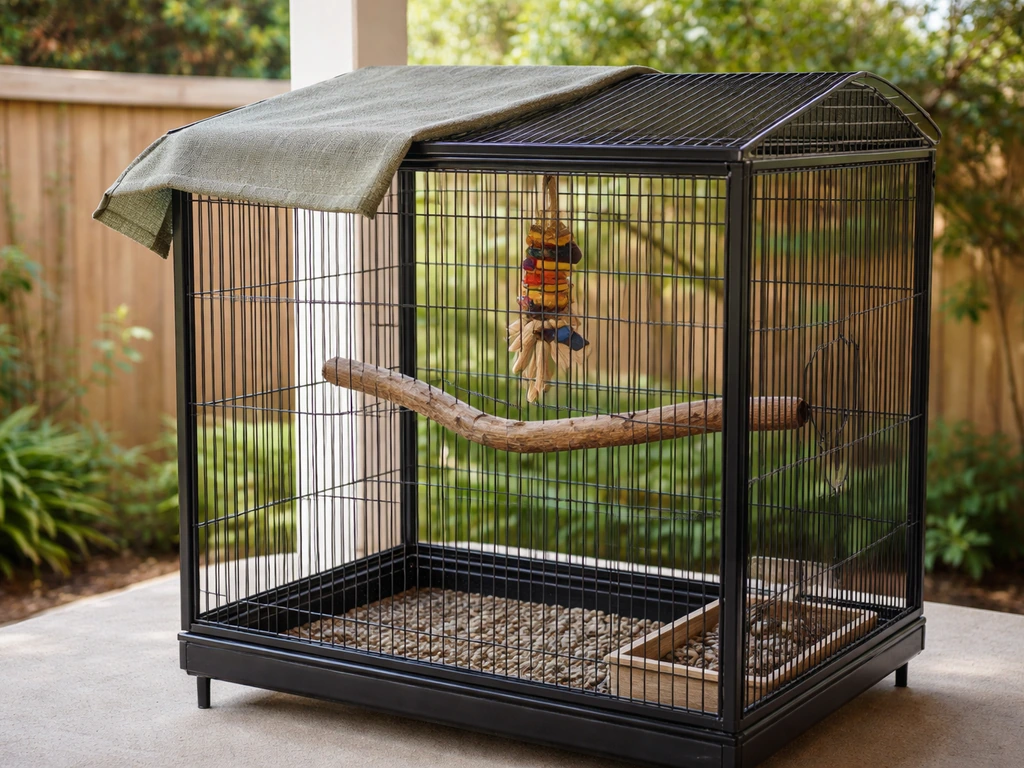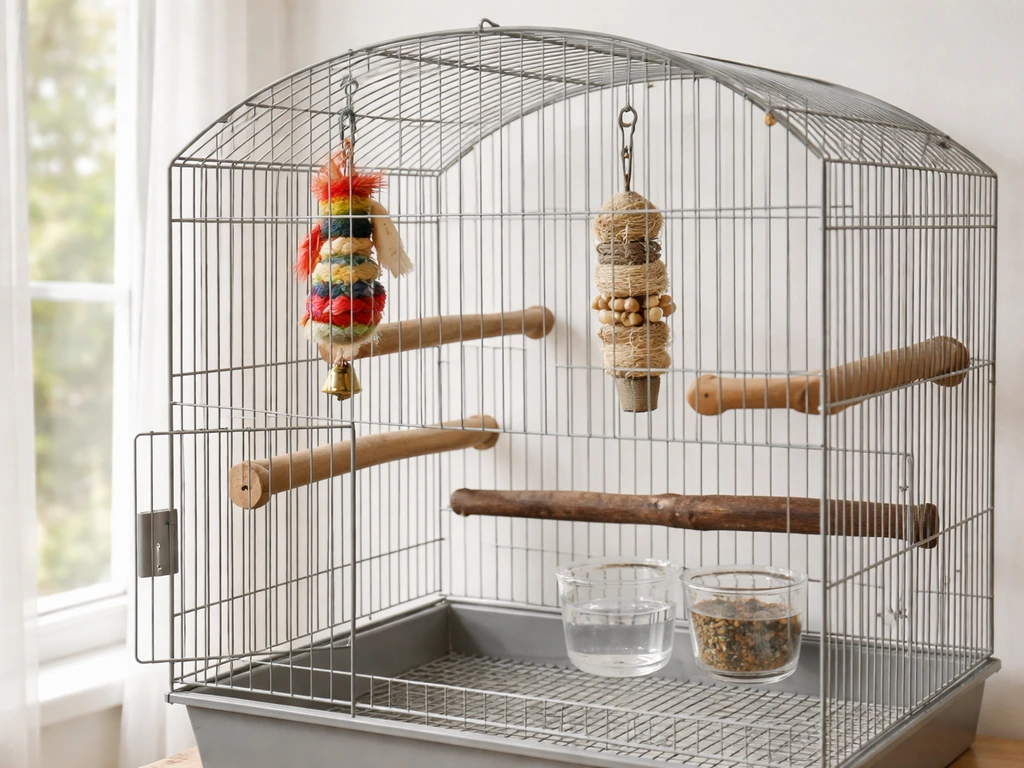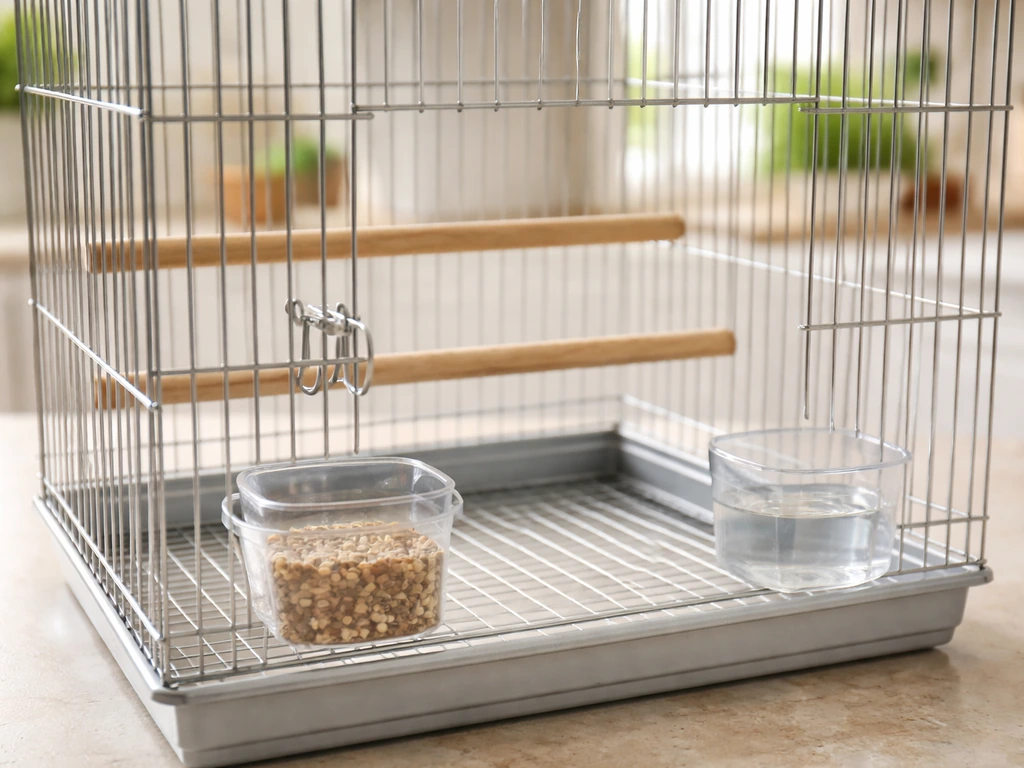
If you have an old bird cage sitting in your garage, basement, or spare room, you basically have four options: keep using it as-is, refurbish it so it's safe again, repurpose it into something new, or responsibly get rid of it. Which path makes sense depends entirely on the cage's condition. This guide walks you through every option with the exact steps, materials, and safety checks you need to make the right call and actually follow through.
What to Do With Old Bird Cages: Reuse, Clean, Repurpose

Maya Bennett
19 Apr 2026
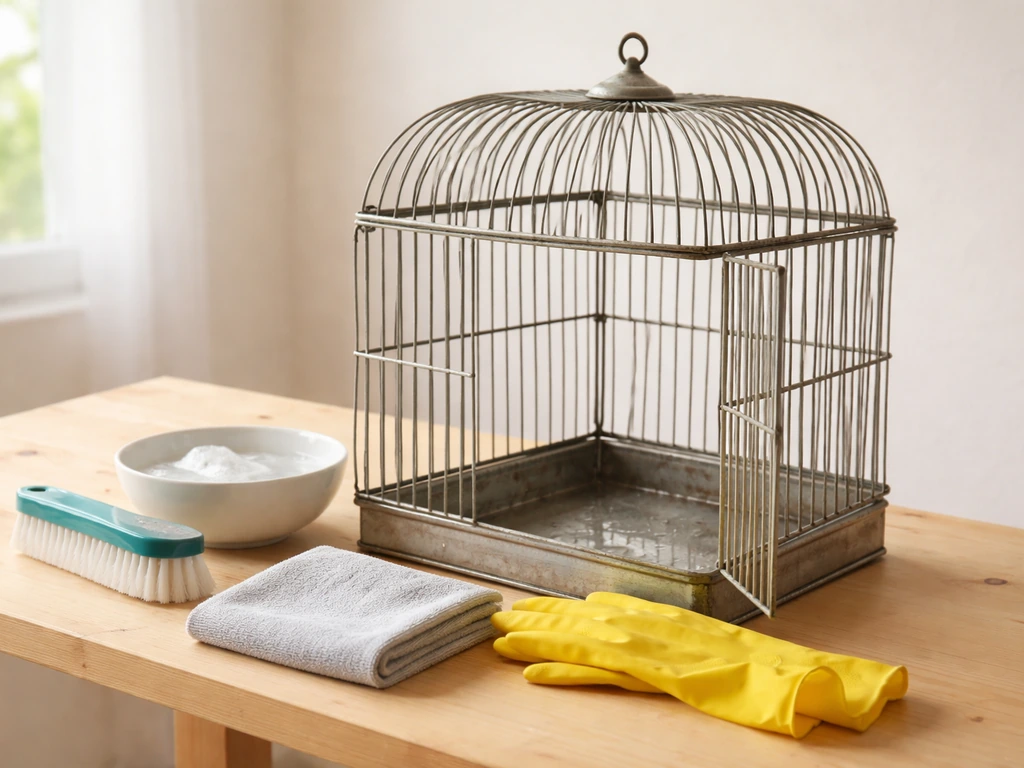
Quick decision: reuse, refurbish, repurpose, or dispose?
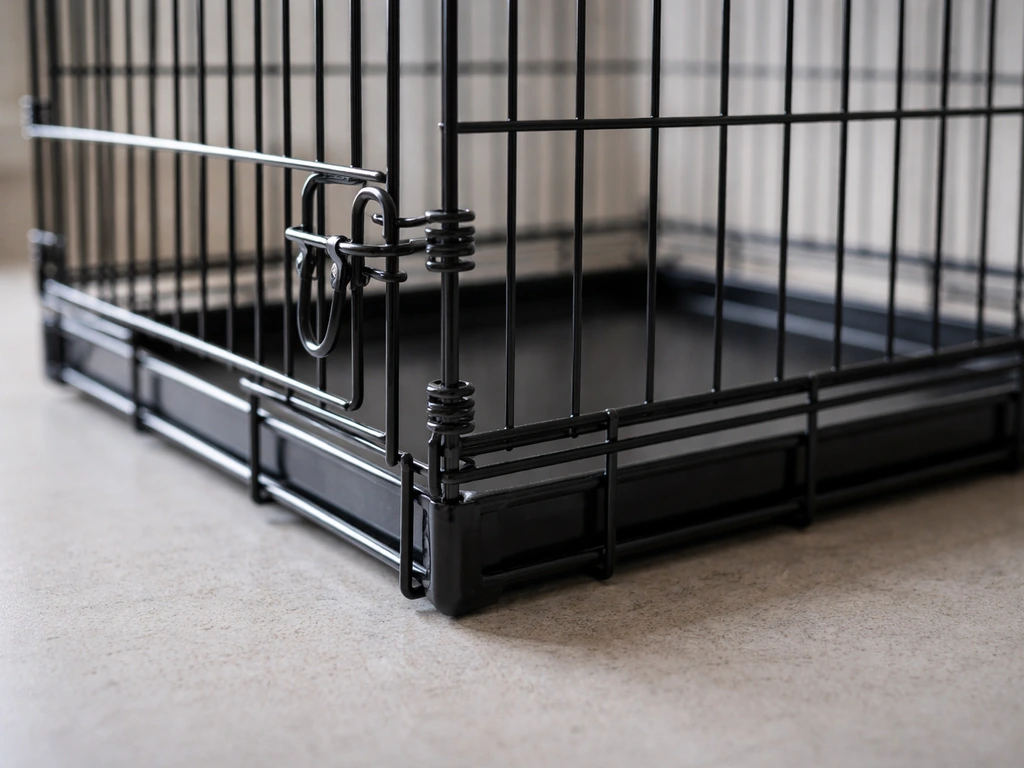
Before you do anything else, take five minutes to assess the cage honestly. The condition of the bars, coating, tray, and hardware tells you almost everything you need to know. Here's how to read it:
| Cage Condition | Best Path | Why |
|---|---|---|
| Structurally sound, coating intact, no rust | Clean and reuse | Safe for a bird with proper disinfection |
| Minor rust spots, chipped coating in small areas | Refurbish then reuse | Fixable with the right prep and bird-safe finish |
| Heavy rust, flaking or peeling paint throughout, gaps or bent bars | Repurpose or dispose | Too risky to house a bird; structural integrity is compromised |
| Galvanized wire with unknown coating age or paint history | Inspect closely before any reuse | Galvanized materials can contain zinc and sometimes lead |
| Broken welds, missing doors, or severely warped frame | Dispose and recycle | Structural failures can't be safely DIY-repaired for live birds |
The most important rule: when in doubt about a coating's safety, don't put a bird in it. Birds chew, preen against bars, and spend their entire lives in close contact with every surface. A cage that looks fine from across the room can still be a hazard up close.
Safety inspection checklist before you do anything
Run through this inspection in good lighting, ideally outdoors or near a bright window. Bring a flashlight for the corners and tray slides. You're looking for four main problem categories: rust, coating damage, structural gaps, and unknown materials.
Rust
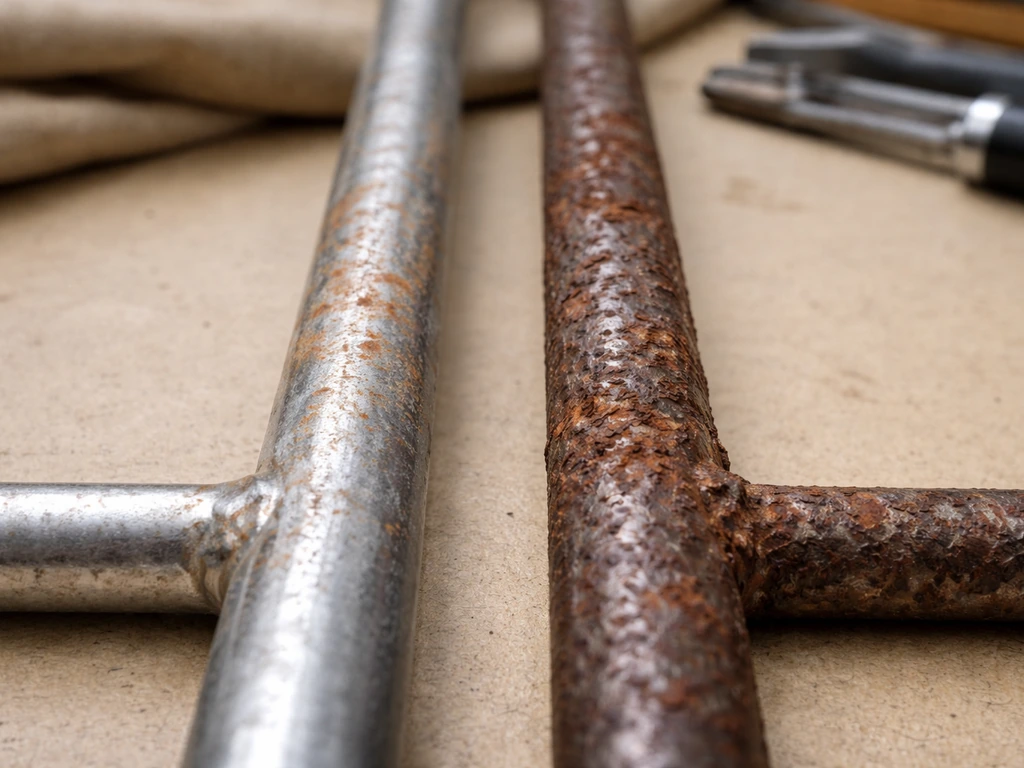
Surface rust (light orange discoloration that wipes off without pitting) is different from deep rust (pitting, flaking, or rust that has eaten through the bar). Surface rust on the outside of a powder-coated or painted bar is less urgent than rust on the interior bars your bird contacts directly. Any rust that flakes when you scratch it with a fingernail needs to be treated or written off.
Coating damage: chipped paint and peeling finish
Chipped or peeling paint is one of the bigger concerns with older cages. If the cage was manufactured before the late 1970s, or if you genuinely don't know its history, chipping paint can expose older lead-based layers underneath. The EPA identifies peeling, flaking, cracking, and scaling paint as the key indicators of a lead hazard on painted surfaces. A quick lead test swab (available at most hardware stores for a few dollars) applied to a deteriorated paint layer will give you a pass or fail result in under a minute. If it tests positive, the cage should not be reused for birds and should be handled carefully during any repurposing project.
Galvanized wire
Galvanized coatings use zinc, and some older galvanized materials have been found to also contain lead. If your cage has a silver-gray wire mesh or bar construction typical of galvanized steel, inspect it carefully. Look for white powdery residue (zinc oxide) on the surface, which is a sign the coating is breaking down. Wire brush a small section and examine what's underneath before deciding to house a psittacine, like a parrot or cockatiel, in it. Parrots especially will chew wire and are highly sensitive to heavy metal toxicity.
Structural gaps and hardware
- Bar spacing: check that no gaps have widened beyond the species-appropriate measurement (smaller birds like finches need tighter spacing than larger parrots)
- Door latches: test every door latch; a worn latch is an escape route
- Welds and joints: press lightly on corner welds; any flex or cracking means the joint is compromised
- Tray fit: pull the tray out and slide it back; it should move smoothly and seat flush with no gaps a bird could catch a toe in
- Perch holders: check that perch mounting hardware is tight and the holes haven't been widened by rust or wear
How to deep clean and disinfect an old cage
Whether you're getting the cage back into service for a bird or cleaning it up before repurposing, start with a thorough clean. Skipping this step when you plan to repurpose it indoors is also a mistake, especially if the cage ever housed birds and could carry dried fecal matter, feather dust, or bacteria.
What you'll need
- Stiff-bristle scrub brush and an old toothbrush for crevices
- Dish soap or a bird-safe cage cleaner
- White vinegar (useful for mineral deposits and mild odors)
- An EPA-registered disinfectant (diluted bleach at 1: 32 ratio, accelerated hydrogen peroxide product, or iodophor solution)
- Fresh water source and a hose or large bucket
- Gloves and eye protection
- Drop cloth or tarp to work on
Step-by-step cleaning process
- Remove everything from the cage: perches, toys, food/water dishes, liners, and tray. Set them aside to clean separately or replace.
- Scrape out any visible debris, dried droppings, or old bedding with a plastic scraper or old credit card. Do this dry, before adding any water, so you're not spreading contaminated material into a wet mess.
- Wash the entire cage with hot water and dish soap using the stiff brush. Pay close attention to bar joints, tray slides, corner welds, and door hinges where grime builds up. The toothbrush is your best friend on tight spots.
- Rinse the cage completely with fresh, clean water. This step matters: soap residue left on bars or in crevices can irritate a bird's respiratory system and feet.
- Apply your chosen disinfectant. For diluted bleach, let it sit for at least 5 to 10 minutes on cleaned surfaces. For hydrogen peroxide-based products or iodophor solutions, follow the label contact time, which is typically 10 minutes on clean, dry surfaces. Contact time is not optional; it's how the disinfectant actually kills pathogens.
- Rinse again thoroughly with clean water. This second rinse removes all disinfectant residue. Don't skip it. Any residual disinfectant left on the bars is a hazard for a bird that will be preening against them daily.
- Let the cage air dry completely in sunlight if possible. Sunlight adds a bit of extra sanitizing effect and helps eliminate lingering odors.
- Clean the tray, perches, and hardware separately using the same wash-disinfect-rinse cycle before returning them to the cage.
Purdue University recommends changing cage-bottom liners daily and doing a full scrub-down at least once a month for birds in regular use. VCA suggests one to two full scrubbing sessions per month with a non-toxic disinfectant soap. If the cage has been sitting unused for a year or more, treat this cleaning session like a deep monthly clean, not just a wipe-down.
Dealing with odor and pest issues
If the cage smells musty or has visible mold, white vinegar applied after the soap wash and before disinfection helps neutralize odors. Let the vinegar sit for five minutes, then rinse before applying your disinfectant. If you find evidence of mites or lice (tiny moving specs, shed skins, or feather-like debris in corners), the disinfection step handles most of these, but you may also want to spray cage seams and perch holders with a bird-safe mite spray after the cage is fully dry. Never use household pesticide sprays inside or directly on a bird cage.
Refurbish fixes: what you can realistically repair
If the cage passed the structural inspection and you want to bring it back into service, here are the repairs that actually make a difference. I'd tackle them in this order: coating first, hardware second, accessories last.
Recoating chipped or bare metal bars
This is the most common refurbishment need. Once you've cleaned and dried the cage completely, address any bare or rusted metal. Use a wire brush or fine-grit sandpaper (220-grit works well) to remove loose rust and flaking coating. Wipe down with a damp cloth and let it dry fully. Then apply a bird-safe sealant or paint. The only finishes safe for direct bird contact are stainless steel (already a material, not a coating), powder coating applied by a professional, or food-grade epoxy. Standard spray paints, even supposedly non-toxic varieties, are not appropriate for bar surfaces a bird will chew. If you're only touching up a small area on the cage exterior that the bird cannot reach, a non-toxic enamel spray can work, but verify the product label explicitly states it's safe once cured.
Hardware: latches, hinges, and screws
Worn door latches are an easy fix. Most bird cage doors use simple spring-clip latches or slide bolts that you can find at a hardware store or online. Match the style and screw spacing of the original. Stainless steel hardware is the safest choice. Avoid brass fittings if you have a psittacine since brass contains zinc and copper. While you're replacing latches, inspect all hinge screws and tighten or replace any that are loose or stripped.
Tray and liner
If the pull-out tray is warped, cracked, or has corroded beyond repair, replacement trays are available from many cage manufacturers or can be cut from a sheet of galvanized or stainless steel by a local metal shop. As a stopgap, a fitted piece of coroplast (corrugated plastic sheet) cut to size works well and is easy to clean. Avoid wood trays, which absorb bacteria and odors quickly. Line the tray daily with unbleached paper or paper towels rather than wood shavings or corn cob bedding, which can harbor mold.
Bar repairs
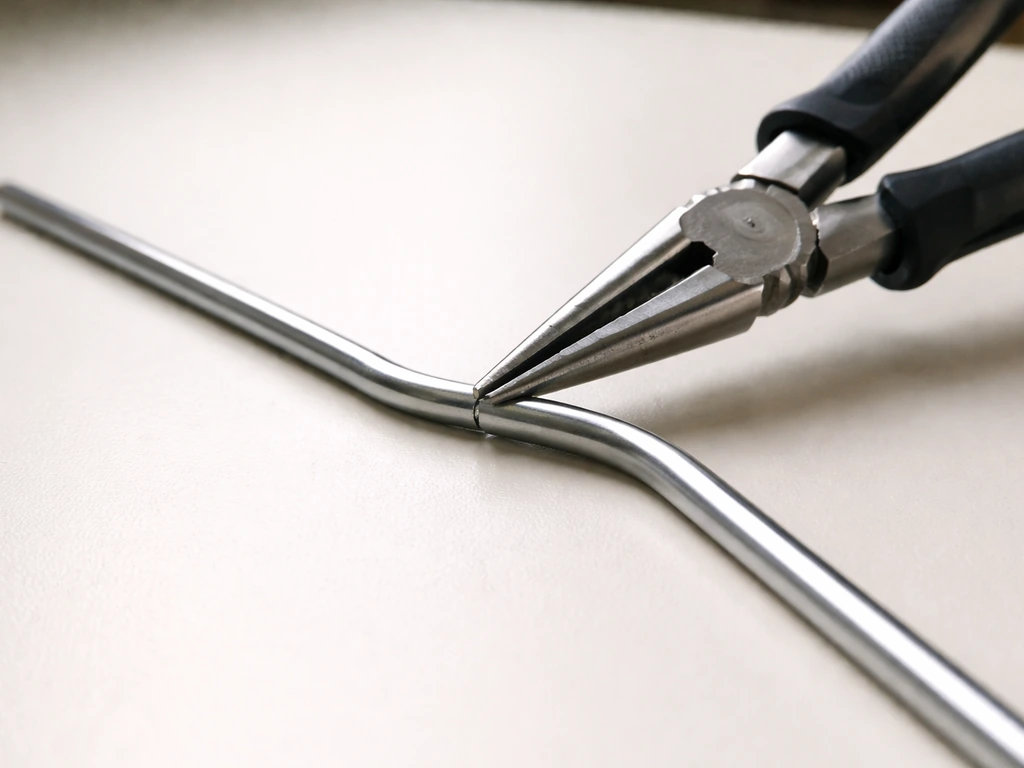
Bent bars can sometimes be straightened with needle-nose pliers if the bend is minor. A bar that has been bent more than about 30 degrees, or that has cracked at the bend point, should be considered structurally compromised. You can wire a temporary patch with stainless steel wire, but honestly, a heavily bent cage section is a reason to reconsider reuse for a bird. A bird (especially a larger parrot) will find that weak spot immediately.
Bird-safe repurposing ideas for old cages
If the cage isn't safe or practical for a bird anymore, it doesn't have to go straight to the curb. There are some genuinely useful and attractive things you can make with an old bird cage. The key is knowing which materials and finishes to use so the project doesn't create new hazards (sharp edges, toxic fumes during painting) even if no bird will ever live in it.
Decorative plant stand or indoor garden display
A large dome or Victorian-style cage makes a natural plant terrarium or display stand. Clean the cage thoroughly, let it dry, and line the base with a waterproof liner or a shallow tray. Arrange small potted plants, succulents, or air plants inside. The open bars provide airflow so moisture doesn't trap. This works especially well with hanging styles of cages. If you want to paint the cage for this project, use a spray enamel rated for metal outdoors and apply it in a well-ventilated space. Let it off-gas for at least 48 to 72 hours before bringing it indoors, and do not re-introduce any bird near a recently painted cage.
Seed and supply organizer
A smaller cage with a solid base tray is excellent storage for bird supplies: seed bags, treat packets, supplement bottles, and small tools. Hang a clip inside for a hanging scale or twisting-style treat holder. The bars make it easy to hook S-clips and small baskets. This keeps bird supplies organized and off your counters without spending money on new storage.
Wall art and display piece
Flat or vintage-style cages with interesting silhouettes look great mounted on a wall as decorative pieces. Clean, sand lightly if the finish is rough, and apply a fresh coat of spray paint in a matte or satin finish once the cage is fully decommissioned. Hang small artificial plants, ribbon, or ornaments from the bars. If you're interested in seasonal variations of this idea, decorating bird cages for specific seasons or holidays is a popular extension of this project. If you want the full step-by-step approach, follow our guide on how to make decorative bird cages. If you want it to look finished, add decorations like ribbons, faux plants, and seasonal accents that match the cage’s finish decorating bird cages for specific seasons or holidays.
Outdoor bird feeder station
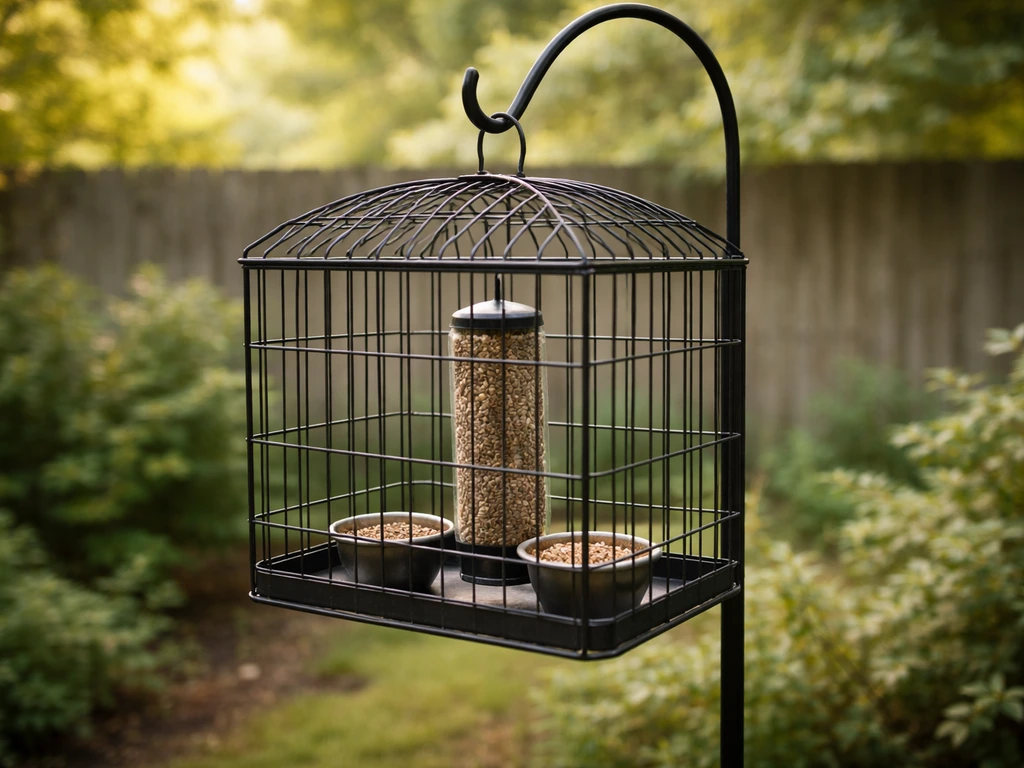
A structurally sound cage with intact bars can be repurposed as an open-style wild bird feeding station. Place seed cups or mesh feeders inside, hang it from a shepherd's hook, and you've got an interesting feeder that also acts as a visual garden accent. Use only metal or ceramic feeders inside, not plastic that will degrade in sun exposure. If the cage has any rust, address it with a rust-inhibiting primer and outdoor enamel before putting it outside permanently.
Donating your old cage
If your cage is structurally fine but you simply don't need it anymore, donating it is often the best move. Bird rescue organizations, parrot societies, and wildlife rehabilitation centers frequently accept cage donations for foster birds, raffle fundraisers, or adoption use. The Long Island Parrot Society, for example, explicitly lists cage donations as a way to support their foster and adoption programs. Search for local parrot or avian rescue groups in your area and call ahead to confirm what sizes they need and whether they can pick up.
How to work on cage projects safely
Whether you're refurbishing or repurposing, a few safety habits matter a lot for both you and any birds in your home.
Tools and materials to keep on hand
- Wire brush and 220-grit sandpaper for rust removal
- Needle-nose pliers and regular pliers for bar and hardware work
- Metal snips if you need to cut mesh sections (always file cut edges smooth immediately)
- Safety glasses and work gloves, especially when wire brushing
- Lead test swabs before sanding or stripping any old painted surface
- Respirator mask rated for metal dust when sanding
- Bird-safe sealant or powder coat service contact for any bar surface a bird will touch
- Non-toxic spray enamel for decorative/repurposing projects that birds won't contact
Avoiding the most common hazards
Sharp edges are the number-one injury risk in any cage project. Any time you cut wire or mesh, the cut ends are razor-sharp. File them immediately with a metal file, or fold the edge over with pliers. Never leave a cut wire end exposed on a surface a bird can reach. For repurposing projects, this matters less for the bird itself but still matters for your own hands and for pets or children who might contact the piece.
Paint fumes are the second major concern. Birds have extremely sensitive respiratory systems, and even cured paint can off-gas volatile organic compounds (VOCs) that are harmful. Any painting should happen outdoors or in a well-ventilated garage, and birds should be kept out of the area and out of the room where a freshly painted piece is curing for at least 48 to 72 hours. This applies even to 'bird-safe' paints marketed for cage use. When in doubt, cure longer.
Zinc toxicity is the third hazard specific to bird cages. If you're sanding, wire-brushing, or cutting galvanized components, do it outdoors or with excellent ventilation and a respirator. Zinc dust and zinc oxide fumes are toxic to birds and irritating to humans. Keep birds completely away from any work area where galvanized materials are being modified.
Disposing of an old bird cage the right way
If the cage is beyond repair or repurposing, dispose of it responsibly rather than just throwing it in the regular trash. Metal cage frames are scrap metal, and most municipalities have specific pathways for scrap metal that keep it out of landfill and get it recycled.
Many cities, including Asheville, Nashville, and Kirkland, WA, distinguish scrap metal from regular curbside recycling and require residents to schedule a bulky-item pickup, drop it at a convenience center, or bring it to a scrap metal facility. Check your local municipal waste website or call your waste hauler directly to find out your specific options. A quick call usually gets you a same-week appointment or drop-off address. Scrap metal yards will often take cage frames for free or even pay a small amount by weight, especially for steel.
If the cage has lead-based paint confirmed by a test swab, don't sand it down or cut it without proper respiratory protection, and check whether your local hazardous waste facility has guidance on painted metal disposal. Most scrap yards will still accept it, but it's worth disclosing.
Placement, mess control, and seasonal protection if the cage stays in use
If you've cleaned and refurbished the cage and a bird is going back in it, or you're using it as an outdoor decorative piece or feeder station, placement and ongoing maintenance matter just as much as the initial prep.
Indoor placement
Position the cage away from kitchen fumes (non-stick cookware is a well-documented respiratory hazard for birds), air vents, drafty windows, and direct air conditioning flow. Eye-level or slightly below is ideal so the bird doesn't feel exposed from above. Place the cage near a wall on at least one side to give the bird a sense of security, but ensure the remaining sides get natural light for at least part of the day.
Mess control
Seed hulls, feather dust, and scattered food are inevitable. A fitted cage skirt or seed guard that attaches around the bottom perimeter of the cage catches most of the debris before it hits the floor. Change the tray liner daily and do your full deep-clean scrub monthly (or twice a month if the bird is a messy eater or molting heavily). Place a washable mat under the cage to protect flooring and make cleanup easier.
Outdoor and seasonal protection
If the cage is used outdoors as a decorative piece, feeder station, or seasonal display, it needs protection from the elements to prevent rapid rust recurrence. A coat of rust-inhibiting primer followed by outdoor enamel extends the life significantly. In winter, bring metal cages inside or cover them with a waterproof cover to prevent freeze-thaw cycling that accelerates rust and paint cracking. For seasonal decorating ideas, an old cage can be dressed for holidays or different seasons with weather-resistant ornaments and flowers without compromising the structure. If you want to decorate bird cage with flowers, focus on weather-resistant blooms and keep moisture away from the metal dressed for holidays or different seasons with weather-resistant ornaments and flowers. You can also use these same weather-resistant ornament ideas to decorate bird cages for Christmas while keeping the finish and bars safe for use how to decorate bird cages for christmas. If you want ideas specifically for how to decorate a bird cage for outside, focus on weather-resistant accents and finishes that won't trap moisture. Avoid anything that traps moisture against the metal, like fabric wraps left on through rain.
Pest prevention
An outdoor cage used as a feeder station will attract wild birds and, inevitably, some pests. Keep seed fresh and remove old seed from the tray weekly to prevent mold and rodent attraction. Bringing the feeder station indoors during extended wet weather also slows rust and discourages mice from treating it as a permanent food source. For indoor cages housing live birds, the monthly disinfection cycle recommended by Purdue and VCA is your best pest prevention: regular cleaning removes the organic material that mites, lice, and bacteria need to establish.
FAQ
Can I sanitize an old bird cage and use it right away if it looks clean?
Often you should not. Even if the cage looks clean, you should do a full wash and dry cycle, then disinfect, because dried droppings and biofilm can be invisible. If the cage sat unused for a year or more, treat it like a deep clean (scrub, disinfect, then fully air-dry) rather than a quick wipe-down.
What if the cage has a “non-toxic” coating but I still see small chips or scratches?
Treat it as unsafe for reuse unless you can confidently remove the damaged area and re-seal with a bird-safe finish. Small chips can expose underlying paint or metal layers. If you cannot verify what is beneath, avoid putting a bird in it and focus on non-bird repurposing instead.
Is it safe to sand or wire-brush a galvanized cage if I want to refurbish it for a bird?
You generally should avoid aggressive abrasion unless you can work in excellent ventilation and fully remove dust, because zinc dust and zinc oxide are harmful. If you do any sanding, do it outdoors or with strong ventilation and keep birds completely away from the area until the cage is clean, rinsed, and fully dry.
How do I know whether a rust spot is just cosmetic or a structural problem?
Check for pitting, flaking, or thickness loss. Surface discoloration that wipes off is different from rust that leaves pits or flakes when scratched. A good rule, if you can catch a fingernail or tool on the metal surface, consider it compromised and replace or retire that section.
What should I do if my lead test swab is positive but I still want to keep the cage for decorations?
Do not sand, cut, or scrape the lead-confirmed paint. For repurposing, you can either seal over the contaminated areas with an appropriate coating meant for persistent encapsulation (and keep it out of bird reach), or choose a repurpose that does not involve touching the painted areas (like a closed wall display). If you need to work with tools near the paint, switch to a safer decommissioning plan or professional disposal.
Can I repaint an old bird cage and put a bird back in it immediately?
No. Let any repaint cure and off-gas outdoors or in a well-ventilated area, then wait long enough that odors are gone. For bird safety, use only finishes intended for direct bird contact, and do not reintroduce a bird near a recently painted cage even if the label claims it is bird-safe.
Are brassy or mixed-metal hardware parts always unsafe for parrots?
They can be risky. The article notes brass contains zinc and copper, which matters for psittacines. If you are refurbishing for a parrot or cockatoo type, prefer stainless steel hardware for latches, hinges, and perch supports.
What’s the safest way to handle sharp ends after cutting mesh or wire for a repurpose project?
File the cut ends right away, or fold them over with pliers so no point stays exposed. Also check inside corners and under decorative bases. Even if birds are not involved, sharp wire is a common injury risk for people, kids, and pets.
If I use a cage as an outdoor feeder, how do I prevent rust without coating the whole thing repeatedly?
Spot-treat any rust before it spreads, then use a rust-inhibiting primer plus an outdoor enamel system. Avoid trapping moisture with wraps or fabric covers that stay wet. Also rinse and dry the feeder periodically, especially after rainy weeks, to slow rust recurrence.
Can I donate an old cage even if I’m not sure of its age or coating history?
You should not donate it as a bird cage unless you can verify it is safe for birds. Call rescues and ask what they accept, whether they reuse cages as-is, and whether they require refurbishment first. If lead or deep coating damage is possible, ask whether the organization prefers parts-only donations or scrap instead.
What’s the best disposal option if the cage has been tested positive for lead paint?
Do not sand or grind it. Check with your local hazardous waste facility or municipality for painted metal guidance, and disclose the lead results when you call. Many scrap yards may take it, but hazardous disposal rules can still apply depending on local regulations.