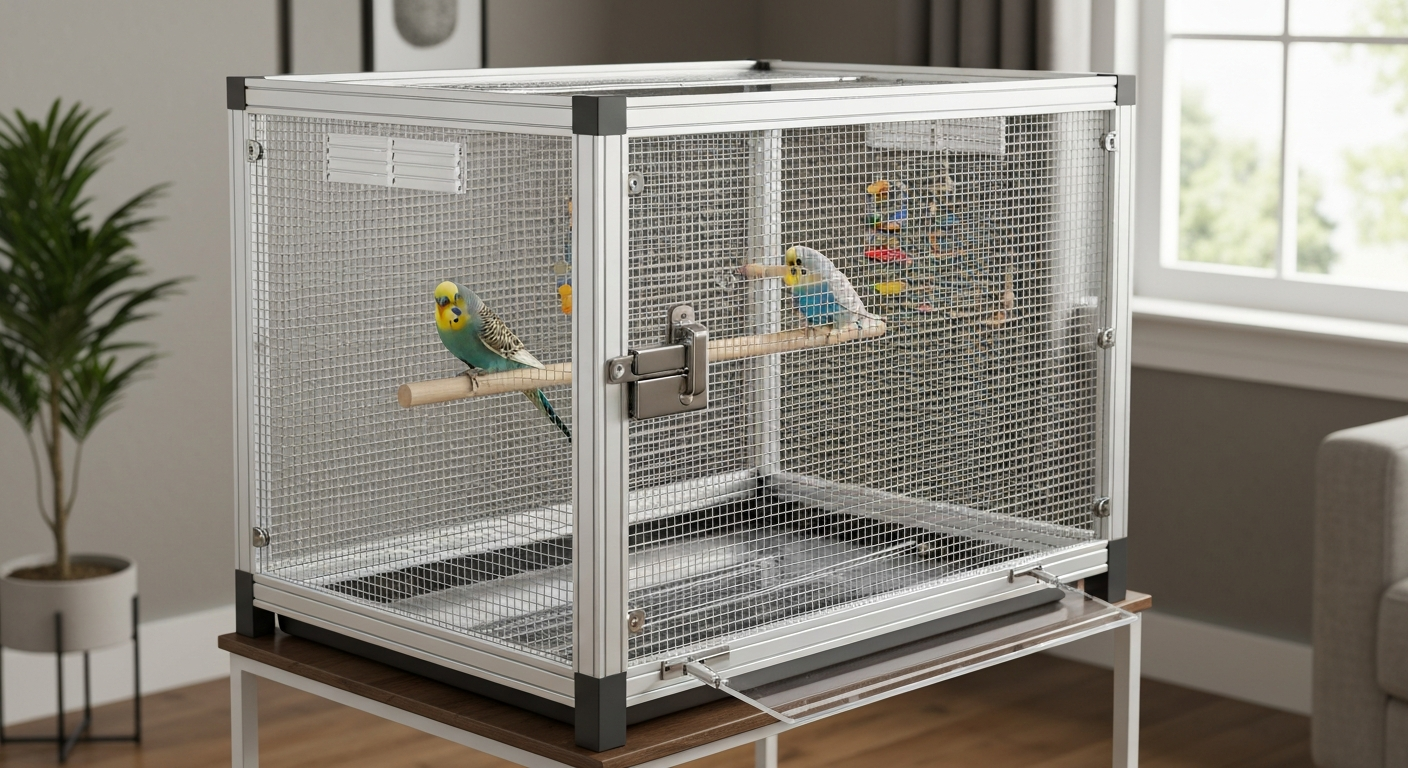
Yes, you can absolutely decorate a bird cage and make it look beautiful. But there's a real order of operations here: safety and function come first, then style. Every decoration you add has to earn its place by being non-toxic, securely mounted, and positioned so it doesn't block airflow, food access, or your ability to clean the cage without a fight. Once those boxes are checked, decorating a bird cage is genuinely fun and the results can look incredible. This guide walks you through the whole process from planning to troubleshooting, whether you're working with one cage or a whole wall of them.
How to Decorate With Bird Cages Safely in Any Setup

Maya Bennett
9 Apr 2026
Safety rules to nail before you touch a single decoration
Before anything goes inside or on the cage, you need a short mental checklist. Birds chew, climb, and investigate everything, so materials that look harmless to us can be genuinely dangerous for them. The big one is metal. Soldered and galvanized metals, including chains, hooks, connectors, and other hardware, are toxic to birds. Galvanized coatings can contain up to 99.9% zinc, which is directly implicated in heavy metal toxicosis. Lead, zinc, and copper all fall into the danger category. If you're not sure whether a hook, clip, or decorative element contains any of these, don't use it. Stick to stainless steel hardware only.
The safe materials list for anything going into a cage is short but reliable: stainless steel, natural non-toxic wood, rope (cotton or sisal, untreated), and acrylic. Avoid chewable plastic and rubber items for active parrots specifically, since these can cause GI obstruction if pieces are swallowed. If a material can't be confirmed as bird-safe, it stays out.
Airflow is the other non-negotiable. Your bird needs ventilation at all times. Don't stack decorations against cage walls in a way that creates dead air pockets, and never place the cage directly beside, above, or below air-conditioning, heating, or ventilation outflows. Drafts cause respiratory problems fast. At the same time, good indoor air circulation is hugely important for temperature regulation. A bird that's too hot will sit with its beak open and pant, and without a way to cool down, heat stress follows quickly. Keep that in mind when choosing cage placement and when deciding how much coverage to add.
- No galvanized, zinc, lead, or copper metal in any decoration or hardware
- Stainless steel only for clips, hooks, and cage attachments
- All wood, rope, and natural elements must be confirmed non-toxic for your species
- No chewable rubber or soft plastic in cages with active parrots or strong chewers
- No decoration that blocks more than roughly one-third of any cage wall panel
- Cage placement away from all ventilation outflows and direct sunlight
- Every access door must open and close freely with decorations in place
Planning your cage layout before anything goes in
The most common decorating mistake is adding things without a plan and then discovering the cage is impossible to clean, or that food bowls are buried behind decor. Spend five minutes sketching a rough zone map of your cage before you buy anything. Think in three vertical zones: the bottom third (floor and lower perches), the middle third (prime activity and feeding zone), and the top third (roosting and privacy space).
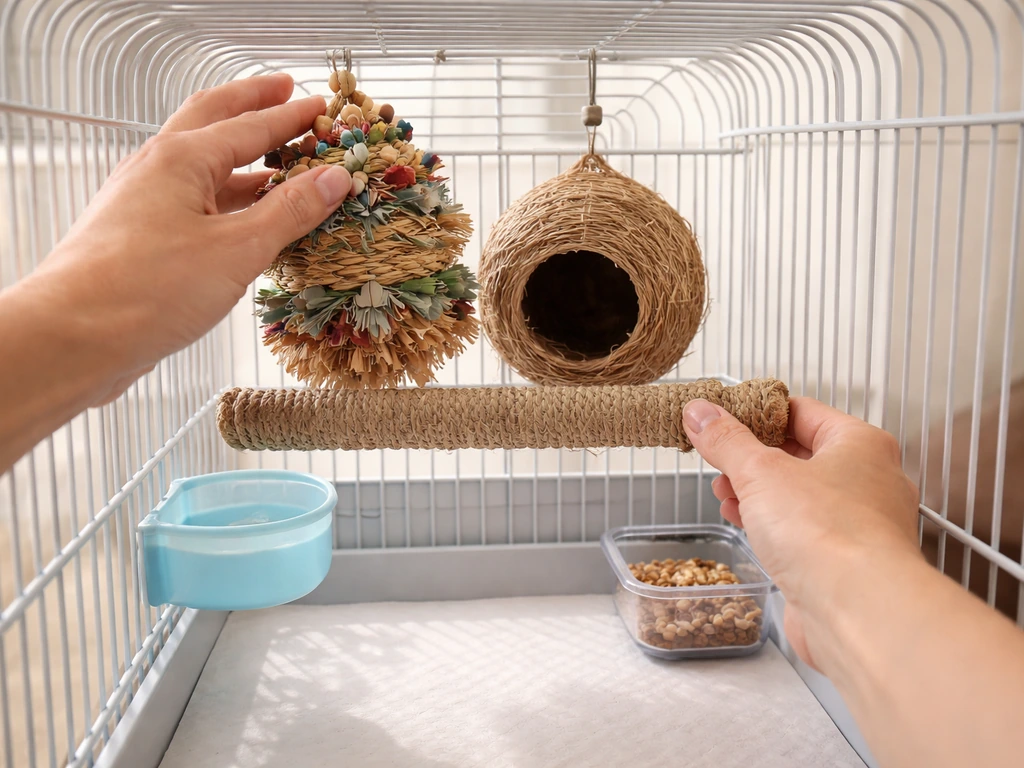
Food and water bowls stay in the middle zone and must always be fully accessible, both for the bird and for you during cleaning. Nothing gets mounted directly above a bowl because droppings, debris, and shed material will contaminate it constantly. The bottom of the cage needs to stay clear enough that you can see and evaluate droppings daily. If cage-bottom material covers droppings completely, you lose a critical health-monitoring window. That means decorative liners or bedding can't be so thick or layered that they obscure what's happening on the floor.
When planning a multi-cage setup, also think about sightlines. Birds generally do better when they have visual and auditory access to compatible companions. Positioning cages so birds can see and hear each other (without being able to reach through and injure each other) reduces single-housing stress significantly. If you're decorating a bank of cages along a wall, keep the facing panels relatively open rather than heavily covered.
Choosing safe materials and mounting everything securely
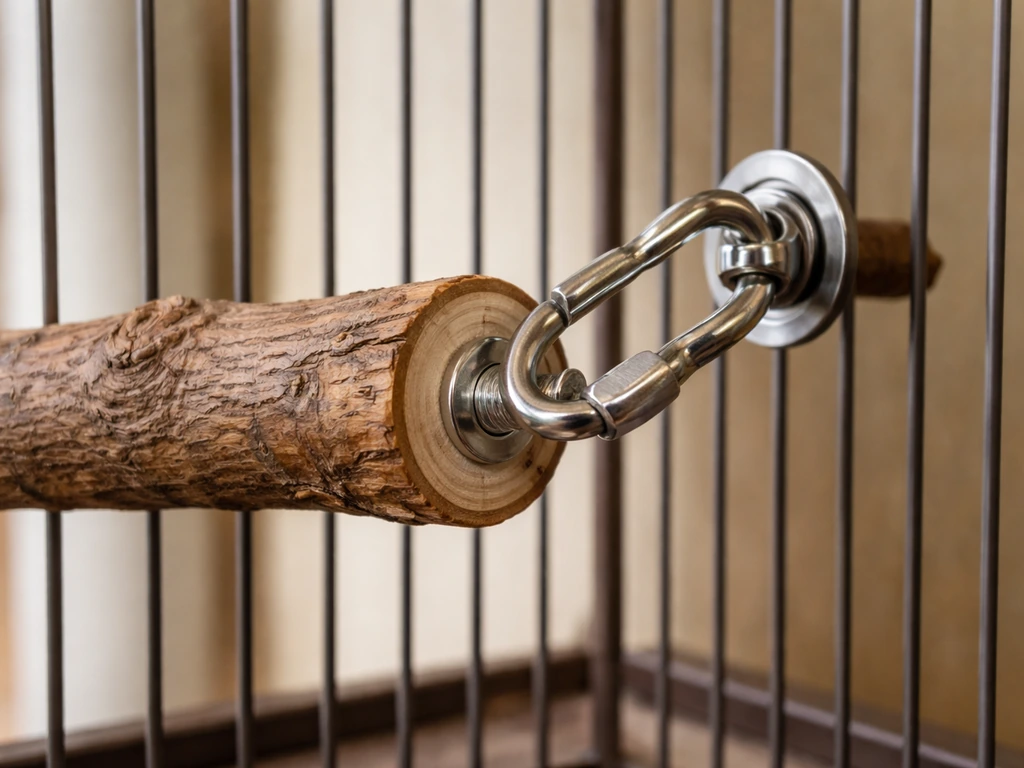
Once your layout is planned, material selection is the next decision point. For anything inside the cage, natural non-toxic wood is your most flexible option. Untreated apple, willow, and birch are commonly used and safe for most species. Avoid treated lumber, MDF, plywood with synthetic binders, or any wood stained with unknown finishes. Rope works well for hanging elements, but check it regularly for fraying because loose threads can catch around toes and legs.
For attaching things to the cage bars, stainless steel quick-links are the standard. They're easy to open for cleaning, don't require tools to remove, and carry no toxic risk. Avoid the zinc-coated or brass-plated clips sold in some craft and hardware stores. They look similar but aren't safe. If you're unsure, buy clips specifically labeled for parrot or bird use from a reputable bird supply source.
Outside the cage, decorative elements have more flexibility because the bird can't chew them. However, anything close to the bars still carries a risk if a bird can reach through. Keep decorative branches, fabric, or plant arrangements at least a few inches from the cage perimeter unless they're confirmed non-toxic. If you're planning an outdoor setup, the safety considerations get broader. There's a full breakdown of outdoor-specific considerations in this guide on how to decorate a bird cage for outside, which covers weatherproofing, pest risks, and material choices for exposed environments.
Enrichment decor that actually looks good
The best cage decorating wins on two levels: it looks intentional and well-designed, and it actively benefits the bird. Enrichment and aesthetics are not opposites. The trick is choosing items that serve a behavioral purpose while fitting your visual style.
Perches
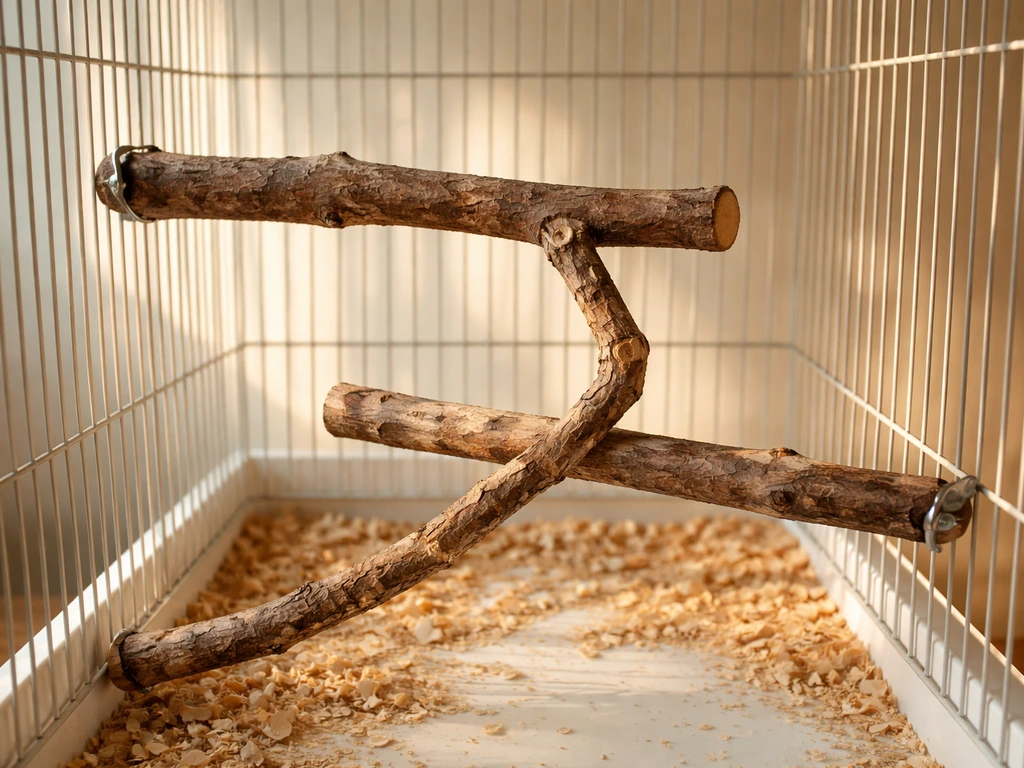
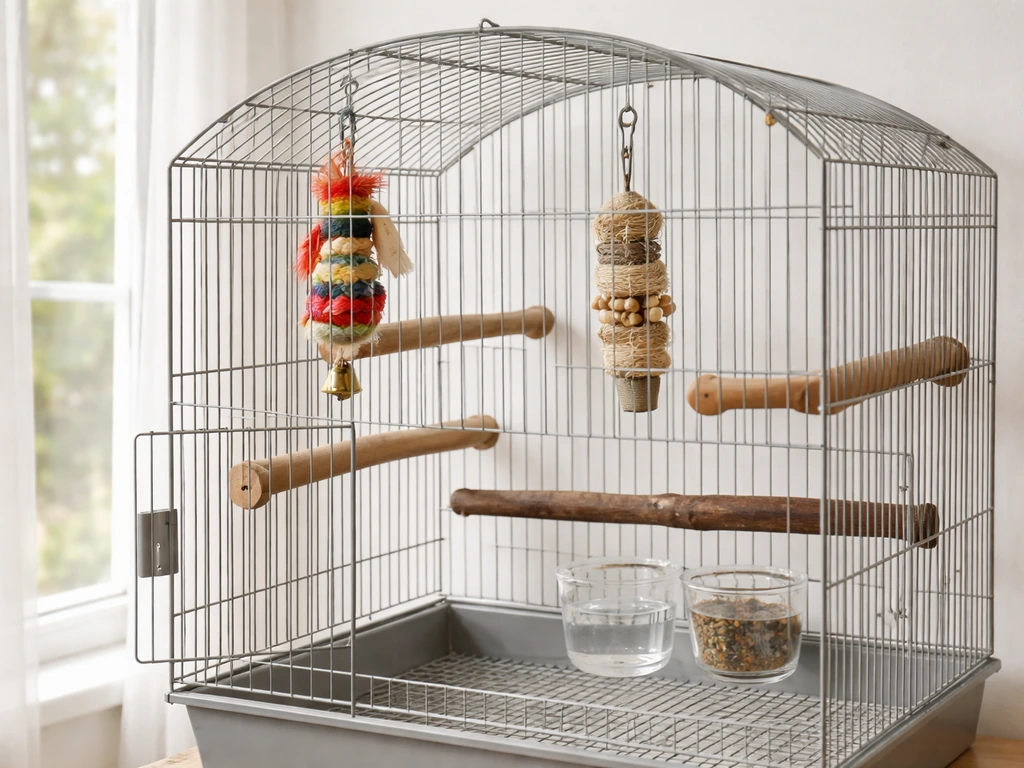
Perches are non-negotiable enrichment items and they're also one of the most visually impactful elements in a cage. Natural wood perches of varying diameters are ideal because they exercise foot muscles and look far better than uniform dowel rods. Use at least two different diameters and place them at different heights. Avoid placing perches directly above food or water bowls, and make sure birds can reach the perches comfortably without their tails hitting cage walls.
Foraging and puzzle toys
Foraging items are the most enrichment-dense decoration you can add. Hiding treats inside natural foraging containers, tucking food into woven palm leaves, or threading small pieces of vegetable through cage bars gives the bird a job and reduces boredom-related behaviors. The RSPCA recommends foraging toys made for parrots, including puzzle or feeder types, and also suggests homemade foraging ideas like food wrapped in newspaper or cardboard tube wedged in cage bars. Avian vets specifically recommend foraging and puzzle toys as behavioral enrichment for captive birds. These items can look great too. A cluster of woven palm balls or a hanging foraging basket adds visual texture while keeping the bird mentally engaged.
Natural elements and privacy spaces
Dried natural branches, palm fronds, cork bark, and dried grasses all add organic visual interest and serve real enrichment purposes. Cork bark in particular is excellent as both a texture surface and a hiding/privacy structure. Birds need the option to get out of sight sometimes, and adding a small cork or wooden hideaway to the upper-back corner of the cage addresses that need while looking intentional in the overall design. One thing to skip: mirror toys. Despite being common cage accessories, mirrors can confuse birds and cause stress, particularly in single-housed birds who may become fixated on their reflection.
If you want to incorporate live or dried flowers as part of the decorating scheme, it's worth reading the dedicated guide on how to decorate bird cage with flowers before picking plants, since toxicity varies significantly by species and flower type.
Style ideas by cage type and setup size
How you decorate depends heavily on cage size, species, and whether you're working with one cage or several. Here's a practical breakdown.
| Setup type | Best decor approach | Things to avoid |
|---|---|---|
| Small single cage (finch, canary) | Minimal natural perches, a small foraging basket, simple liner — keep it uncluttered | Overcrowding with toys; anything that reduces flight space |
| Medium single cage (cockatiel, conure) | 2–3 varied perches, 2–3 rotating toys, cork bark hide, natural branch cluster | Mirror toys, oversized toys that block movement |
| Large single cage (parrot, macaw) | Multi-level perch arrangement, foraging stations, puzzle toys, corner hide structure, varied textures | Non-stainless hardware, chewable rubber or soft plastic |
| Multi-cage wall or bank setup | Consistent visual style across cages (matching liners, perch types), open facing panels for sightlines, coordinated seasonal accents | Blocking sightlines between cages, using different unsafe hardware across cages |
| Aviary or flight cage | Natural branches, plants (confirmed non-toxic), foraging scatter areas, visual privacy panels | Anything that interferes with flight paths or catches wing tips |
For multi-cage setups, a unified visual scheme makes a big difference. Using the same liner color, matching perch styles, or a consistent attachment hardware finish across all cages creates a cohesive look. If you're starting from scratch and thinking about building custom enclosures rather than decorating off-the-shelf cages, the guide on how to make decorative bird cages covers construction approaches that let you build in aesthetic choices from the start.
If you have cages you're no longer using, don't overlook their decorative potential outside of a bird-keeping context. There are some genuinely creative repurposing ideas covered in this article on what to do with old bird cages if you want to keep the aesthetic going elsewhere in your home.
Seasonal protection and mess control
Seasonal changes affect both how you decorate and how you protect your cage setup. In summer, the priority is keeping birds out of direct sunlight while maintaining airflow. Indoor birds should never be left in direct sun, and aviary birds need confirmed shaded areas where they can retreat. Don't position decorative elements or cage covers in a way that reduces ventilation during warm months. A bird that can't cool down faces real heat stress risk.
In winter, temperature drops require care. On cold days you can warm the room to protect the bird, but avoid covering the cage as a heating method. Covering restricts airflow, and a cage cover that wraps too tightly can turn into a ventilation problem fast. If you use a cage cover for darkness and sleep regulation (which is a legitimate use), make sure it's a fitted, breathable cover that doesn't press against the bars.
Covers also work well aesthetically as part of the overall cage presentation, and seasonal covers are a popular way to shift the visual theme of a setup. If you want ideas for holiday-specific styling, the guide on how to decorate bird cages for Christmas has specific safe decoration approaches for that time of year.
For mess control, the cage liner is your first line of defense. Choose a liner that's absorbent, low-dust, non-toxic, and easy to replace. Some bedding types can irritate the respiratory tract or cause digestive blockages if eaten, so avoid aromatic wood shavings, cedar, and anything with added scents or oils. Plain paper liners or unbleached paper towels are the most reliable options. Change liners frequently and don't let droppings accumulate. Delayed cleaning creates health risks. Also avoid chemical cleaning solutions when cleaning the cage interior, as residue can harm birds.
Outdoor cage setups need additional weather protection built into the decorating plan. The housing should shelter birds from wind, rain, and direct sun, with a perching area that's always in a sheltered spot. Avoid any outdoor decor made from materials that deteriorate quickly in moisture, since degrading material can release compounds or harbor mold.
Troubleshooting the problems decorating actually causes
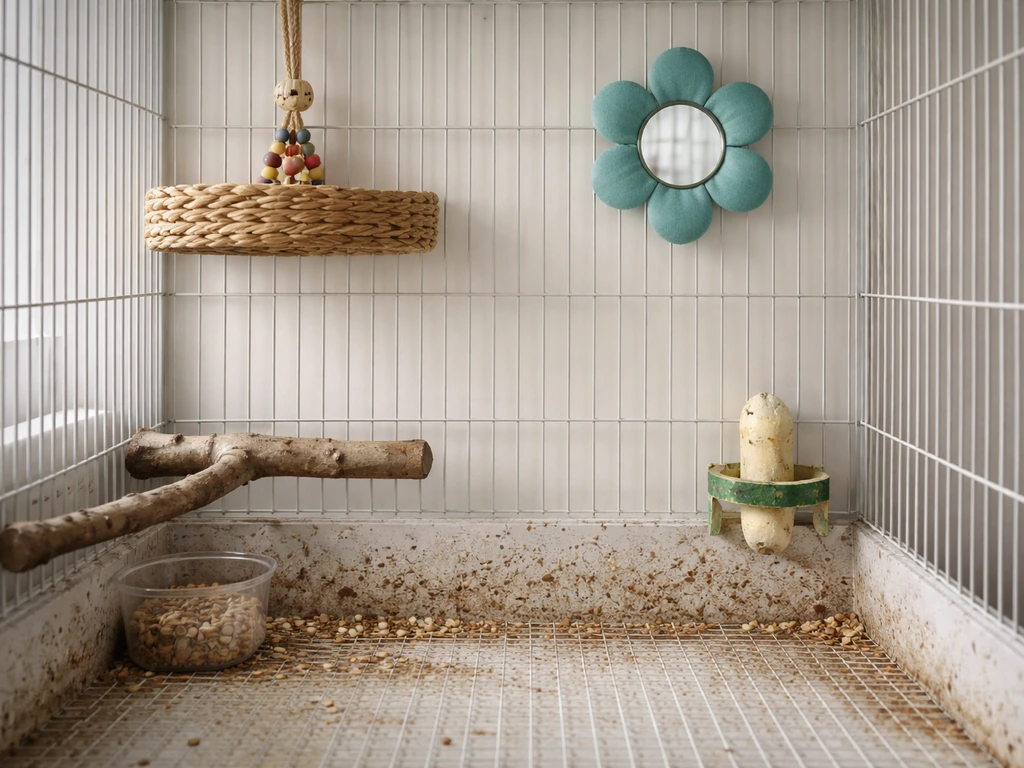
Decorations are making cleaning harder
This is the most common issue and it usually means something was mounted in the wrong zone. Anything in the bottom third of the cage is going to get dirty fast. Decorative elements there trap droppings and make liner changes messy. Move them up, or replace them with items that can be wiped down or removed in under 30 seconds. Quick-link attachments are essential here because they let you pull the whole item out without tools, clean around it, and re-hang it.
The bird is stressed or ignoring the enrichment
New items in a cage can genuinely frighten birds, especially if several new things appear at once. Introduce one new item at a time, and let the bird investigate on its own schedule. If a bird is avoiding a section of the cage entirely after you've added decor, something in that zone is causing avoidance. Remove everything from that area and reintroduce pieces one by one. Toys must also be appropriate for the bird's size. An oversized toy that swings heavily can intimidate smaller birds, and undersized items get destroyed in minutes by large parrots.
Pests appearing around the cage
Natural materials like dried grasses, wood, and palm fibers can attract mites, grain mites, or small insects if they're stored improperly or if cage hygiene slips. If you start seeing small insects near natural decorative elements, pull them out immediately, do a full cage clean, and inspect your material storage. Buy natural cage decor in small quantities and store it in sealed containers. Don't leave seed-based foraging toys in the cage for days at a time, especially in warm or humid conditions.
Attachments coming loose or items falling
Falling items inside a cage are a real injury risk. If something keeps coming loose, the attachment method isn't right for that item's weight or for that bird's activity level. Heavy items need two-point mounting (two quick-links at different bar intersections) rather than a single attachment point. Test every new item by pulling it firmly before the bird interacts with it. If it moves at all, add a second attachment point. Never use twist-tie wire, tape, or zip ties as primary attachments inside a cage occupied by a chewing bird.
Multi-cage setups creating conflict
When decorating multiple cages in close proximity, watch for birds that are becoming agitated by seeing each other constantly. Some birds become territorial when they can see a neighbor through a lightly decorated wall. If this happens, adding a partial visual barrier (a piece of cork bark or a woven panel on the shared-facing wall) can reduce that tension without eliminating the social benefit of proximity entirely. The goal is managed sightlines, not complete visual isolation.
FAQ
Can I paint or stain the inside of a bird cage or cage decor to match my home style?
It’s safest to avoid any paint, stain, or sealant on anything the bird can chew or contact. Even “pet-safe” finishes can break down over time or be transferred through beak contact, wiping, or bedding dust. If you want color, keep coloring on items that are fully outside the bird’s reach or use naturally colored, bird-safe materials.
Are stainless steel attachments always safe, even if they’re decorative or decorative chains?
Stainless steel hardware is the right direction, but “stainless” must be the actual alloy, not galvanized or brass-plated parts. Also check that any chain links or decorative loops have no sharp edges or tight gaps where toes can snag. When in doubt, use simple stainless quick-links and smooth bar-compatible connectors.
How do I decide whether to place a branch or cork bark inside the cage, or keep it outside?
If it can be reached through the bars, treat it as “inside” for safety. Put branches, cork, and woven hides inside only if they are non-toxic and can be secured with bird-appropriate hardware, then position them so they don’t block airflow or cover food. If the item is decorative and you cannot guarantee the bird cannot reach it comfortably, mount it outside the cage with a few inches of clearance.
What’s the best way to attach heavier decor so it won’t fall or swing?
Use two-point mounting for anything with meaningful weight or that will be tugged, including larger cork pieces, thick branches, and dense foraging baskets. After installing, test by pulling firmly in multiple directions, then re-check after the bird has had a day to climb on it. If it shifts or rotates, add a second attachment point or choose a different mounting location.
Can I hang foraging items from the top of the cage, and how do I prevent them from getting messy?
Yes, but hang them in a way that keeps food access clear and avoids placing them directly over bowls. Use foraging containers that are easy to empty and rinse, and position them so dropped pieces land in the bottom zone where you can clean efficiently. Rotate or remove items promptly so they don’t sit and spoil.
How much should I cover the cage with liners or bedding without losing health monitoring?
Keep the bottom zone readable. If you can’t quickly identify droppings and consistency during daily checks, the liner is too thick or layered. Prefer low-dust, non-scented paper-based options, and avoid absorbent bedding that clumps heavily or hides patterns.
What should I do if my bird starts avoiding a specific decorated area?
Treat it as a safety or comfort signal. Remove all new items from that zone, then reintroduce the pieces one at a time, spacing the changes by at least a day. Pay special attention to anything new near perches or near airflow, since drafts or a new attachment position can make birds reluctant to use an area.
Is it okay to use mirrors as a temporary decor element?
Mirrors are commonly used but they can increase stress because birds may fixate on their reflection. If you want a reflective look, keep it away from the bird’s primary roosting line of sight and avoid leaving it in the cage long-term. For most households, swapping mirrors for natural textures like cork, branches, and woven hides is the safer bet.
How can I add decor for multiple cages without increasing aggression or constant stress?
Design for managed sightlines. If birds can see each other continuously and become agitated, add a partial barrier on the shared-facing panel using bird-safe materials, like cork bark or a woven panel, without blocking airflow. Also avoid placing perches at the same height directly facing neighbors, since that can intensify territorial behavior.
What’s the safest way to clean decorative items without harming the bird?
Remove items that contact droppings, and clean with bird-safe methods before re-hanging. Avoid chemical residue inside the cage, since even small leftovers can irritate or harm birds. Let everything fully dry before returning it, especially rope and natural fibers, which can hold moisture.
How do seasonal covers and decorative coverings change my airflow plan?
Use covers only if they are breathable and fit loosely enough that they never press against bars. Avoid using decorative wraps as a substitute for ventilation because they can trap heat or humidity. In winter, prioritize a warm room and a fitted breathable cover if you need darkness, in summer prioritize shade without blocking airflow.
Next Article
How to Make an Acrylic Bird Cage: Complete Species‑Safe Guide
Step-by-step guide: how to make an acrylic bird cage with species-specific designs, safe materials, templates, and door/