Decorating an outdoor bird cage is absolutely doable, and it can look great, but you have to get the safety side right before you think about aesthetics. The wrong materials, the wrong placement, or even a pretty garland strung through the bars can injure or stress your bird. This guide walks you through every decision, from the first safety check to the final decorative touch, so you end up with a setup that looks good and keeps your bird comfortable year-round.
How to Decorate a Bird Cage for Outside Safely

Maya Bennett
16 Apr 2026
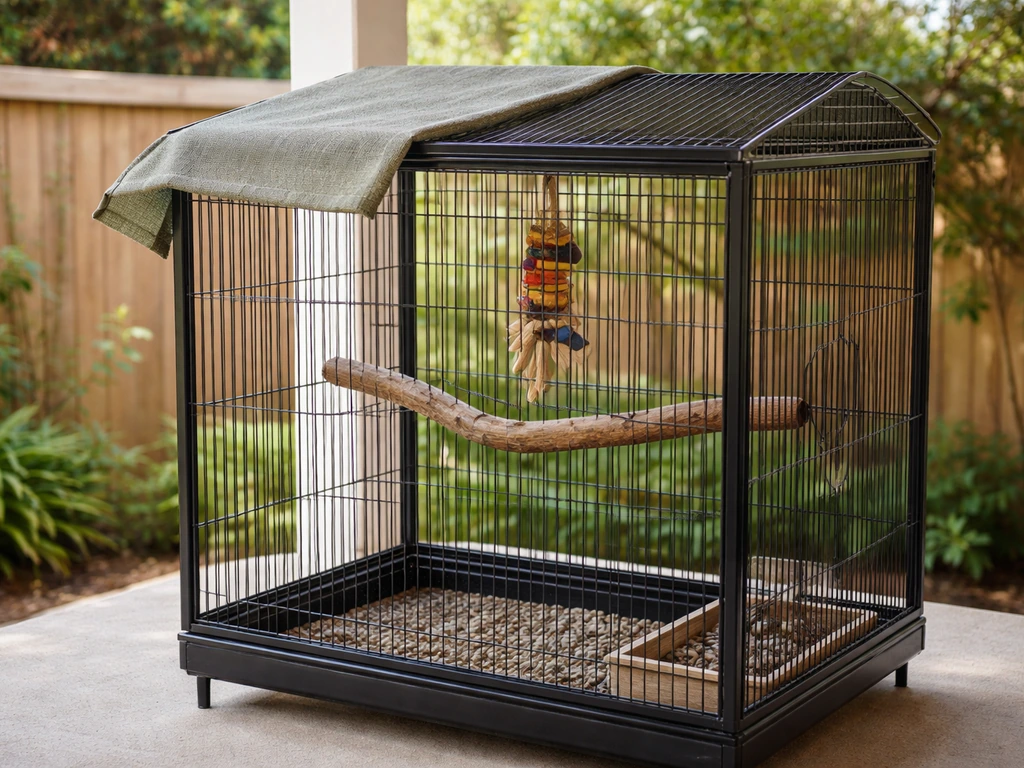
Start with these outdoor safety checks before anything else
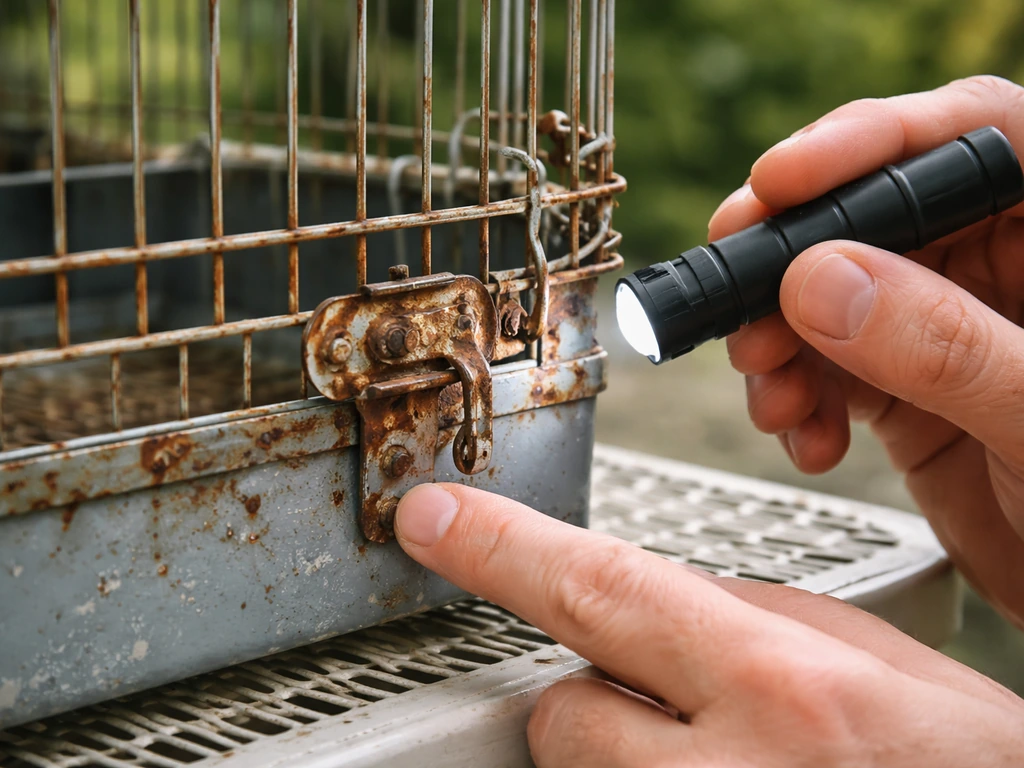
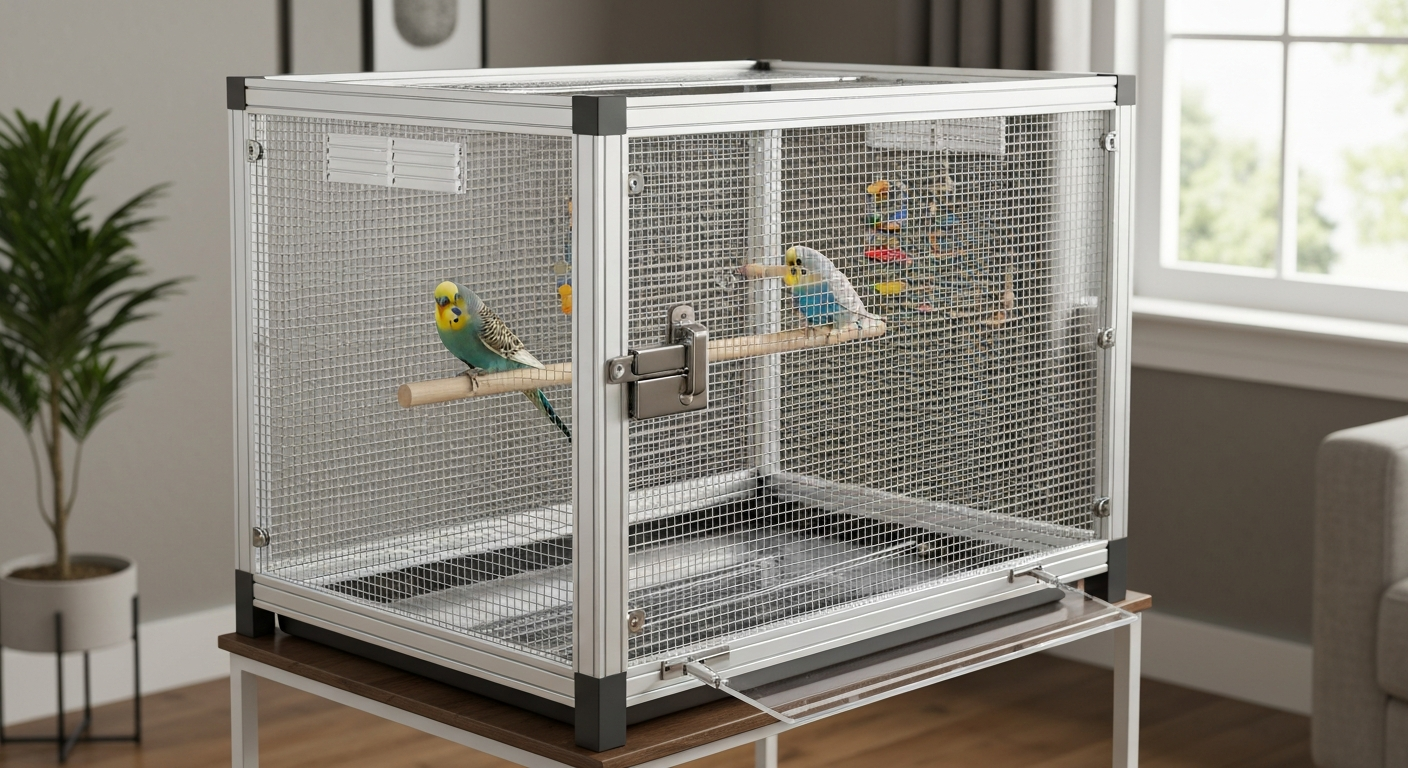
Before you add a single piece of décor, check the cage itself. Outdoor conditions accelerate wear, and a cage that looked fine indoors can develop rust, peeling paint, or damaged coatings faster than you expect outside. Run your hand along every bar and weld point. Any rust or flaking needs to be addressed before you decorate over it, because rusted steel bars and aging paint primers can contain toxic metals including lead, iron, copper, and zinc. Older powder-coated cages are a particular concern since the primer beneath the coating may contain heavy metals that birds can ingest if they chew on compromised surfaces.
Check all hardware: clips, latches, wire joins, and any galvanized components. Zinc from galvanized metal is a recognized cause of heavy-metal poisoning in captive birds, and the RSPCA explicitly advises against cage components made from galvanized metals, lead, zinc, or copper. If you are working with an older cage and are unsure about its coating, treat it as suspect and either replace it or consult your avian vet before putting your bird in it outdoors.
Check for predator vulnerabilities too. Outdoors, a bird inside a cage is an obvious target for cats, raccoons, foxes, and hawks. Gaps wide enough for a paw to reach through, weak latch points, or flimsy stands are all risks that need resolving. Any decorative additions should never create new gaps or compromise lock points. The RSPCA Victoria is clear on this: if a cage is placed outside, it must be protected from predators at all times.
- Inspect every bar, weld, and coating for rust, flaking paint, or corrosion
- Check all hardware for galvanized or suspect metal components
- Test latches and door closures under realistic outdoor pressure
- Confirm the cage stand or mounting point is stable and cannot tip
- Look for gaps or weak points a predator could exploit
- Never leave your bird unattended in an outdoor cage
Weatherproof materials that actually hold up outside
This is where most people make their biggest mistakes. They grab indoor décor items and assume they will survive outside. They will not, and some of them will become hazardous when they degrade. Here is what works, what does not, and what will actively harm your bird.
Materials that are safe and weatherproof
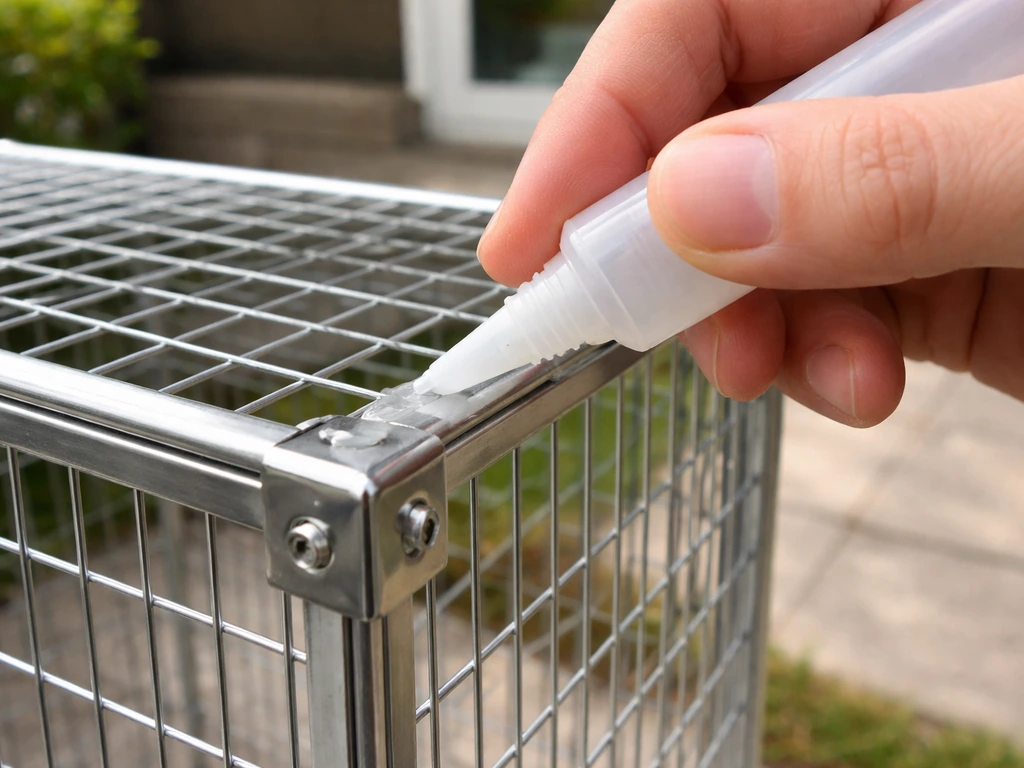
- Stainless steel wire and hardware: does not rust, no zinc coating risk, easy to clean
- Food-grade or aquarium-grade silicone sealant: fully cured aquarium silicone such as 100% non-toxic, solvent-free formulas are safe for sealing gaps or anchoring mounts when completely cured before bird contact
- Untreated natural wood (hardwoods like oak, maple, or manzanita): weathers reasonably well, safe for birds to chew, and easy to replace seasonally
- Natural rope made from untreated sisal, hemp, or cotton: safe for hanging lightweight décor, but inspect regularly and replace when fraying
- Ceramic or terracotta pots and dishes: inert, easy to clean, work well as external planter accents around the cage base
- Powder-coated steel (new, intact coating only): safe when the coating is undamaged and from a reputable source
- UV-stable outdoor fabric: used for covers or shade panels, look for materials rated for prolonged sun exposure
Materials to avoid completely
- Galvanized wire, mesh, or hardware: zinc toxicity risk if your bird contacts or chews it
- Any paint not confirmed bird-safe: lead paint is still present in older items, and even some modern paints contain additives that are toxic to birds
- Plastic string, fishing line, monofilament, or kite string: serious entanglement and strangulation hazard, especially outdoors where wind movement increases the risk
- Treated or pressure-treated wood: chemical preservatives are toxic to birds
- Copper wire or copper fixtures: copper poisoning risk
- Glitter, sequins, or metallic craft foils: shed particles, potential ingestion hazard
- Scented candles, essential oil diffusers, or any chemical fragrance near the cage: birds have highly sensitive respiratory systems
- Sealants or adhesives that are not fully cured: off-gassing from uncured products is dangerous even outdoors
If you want to add flowers to or around the cage, that is a popular and beautiful option, but the species of plant matters enormously. decorating a bird cage with flowers safely means sticking to confirmed bird-safe varieties like marigolds, roses (thorn-free), sunflowers, and chamomile, while avoiding toxic plants like oleander, foxglove, lily, and anything treated with pesticides or herbicides.
Placement planning: shade, sun, wind, rain, and airflow
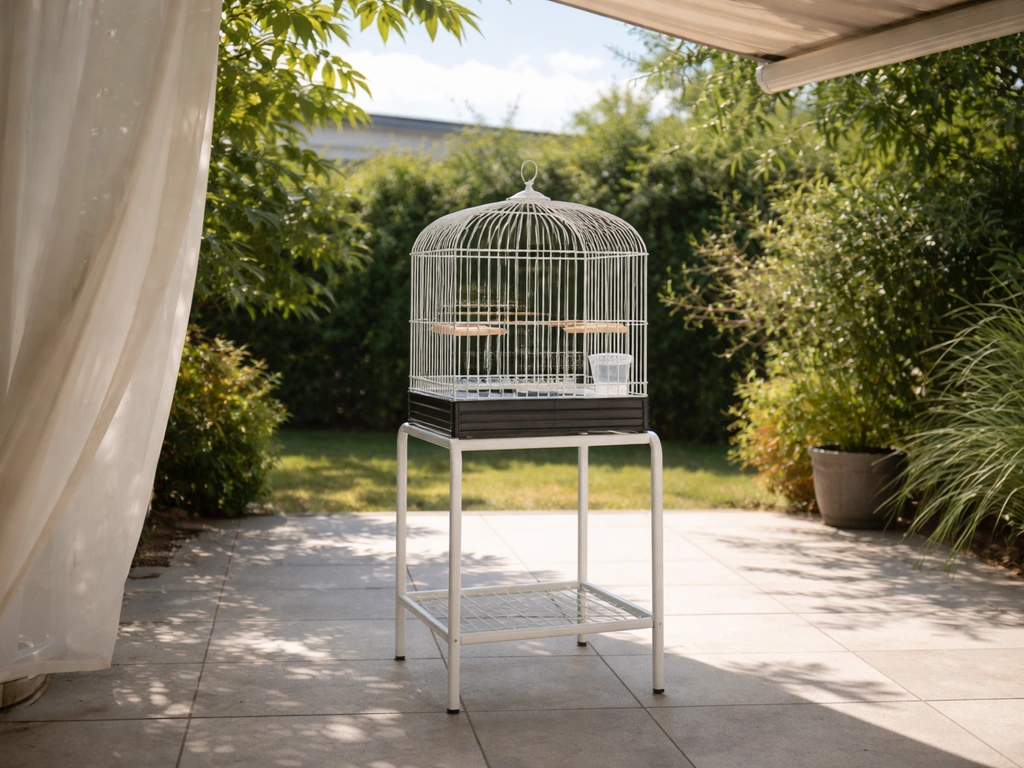
Where you put the cage outside determines whether your bird is comfortable or in danger. Decoration choices follow placement, not the other way around. Get this right first.
Shade is non-negotiable. U.S. federal regulation requires that when sunlight is likely to cause overheating or discomfort, sufficient shade must be provided so animals can protect themselves from direct sunlight Shade is non-negotiable.. A bird that cannot escape direct sun will overheat. Birds that are too hot sit with their beaks open (panting), hold their wings away from their body, and can progress to heat stroke quickly. If natural shade from trees or a covered porch is not available, you need to create it. RSPCA Australia recommends placing a tarpaulin or solid cover on the cage roof to block direct heat. At least 30% of the roof should be solid at all times to protect from rain and direct sun, according to RSPCA guidance on outdoor aviaries.
Wind is the other major factor. Decorative elements that look fine on a calm day can become projectiles or stressors during wind gusts. One end of the cage setup should always have a solid barrier, whether that is a wall, a fence, a dense windbreak, or a fitted cage panel, to block draughts. This also protects the cage from driving rain. RSPCA Kids education guidance specifically recommends solid walls at one end of an outdoor enclosure to protect from draughts.
Airflow still matters even with wind protection. Do not block all four sides of the cage with solid panels, covers, or dense decorations. Birds need air circulation to stay cool and to avoid ammonia and moisture buildup from droppings. RSPCA Victoria bird-care guidance notes that birds are sensitive to their environment and advises observation for abnormalities, with veterinary advice when needed birds need air circulation to stay cool and avoid ammonia and moisture buildup. The goal is sheltered on the exposure side and open on the sheltered side, with good cross-ventilation. The RSPCA recommends designing outdoor environments with areas that provide different light and thermal conditions, from full light to shade, so the bird can self-regulate.
| Placement Factor | What to Aim For | What to Avoid |
|---|---|---|
| Sun exposure | Dappled or partial shade for most of the day, full shade option always available | Full sun with no shade option at any point in the day |
| Wind | Solid barrier on the prevailing wind side, sheltered but not sealed | Fully open on all sides, or fully enclosed with no airflow |
| Rain | Solid roof cover over at least 30% of cage top, waterproof on windward side | Fully exposed roof, pooling water under or in the cage |
| Airflow | Cross-ventilation maintained, cage not tightly wrapped | All sides blocked by covers, decorations, or solid panels |
| Ground surface | Stable, elevated if possible, away from standing water | Directly on wet ground, near drainage points, on uneven surfaces |
Décor ideas that actually work without getting in the way
The best outdoor cage décor does three things: it looks intentional, it does not interfere with the bird's movement or welfare, and it does not make cleaning harder. Anything that fails on those last two points is not worth the visual payoff.
External decoration (around the cage, not inside it)
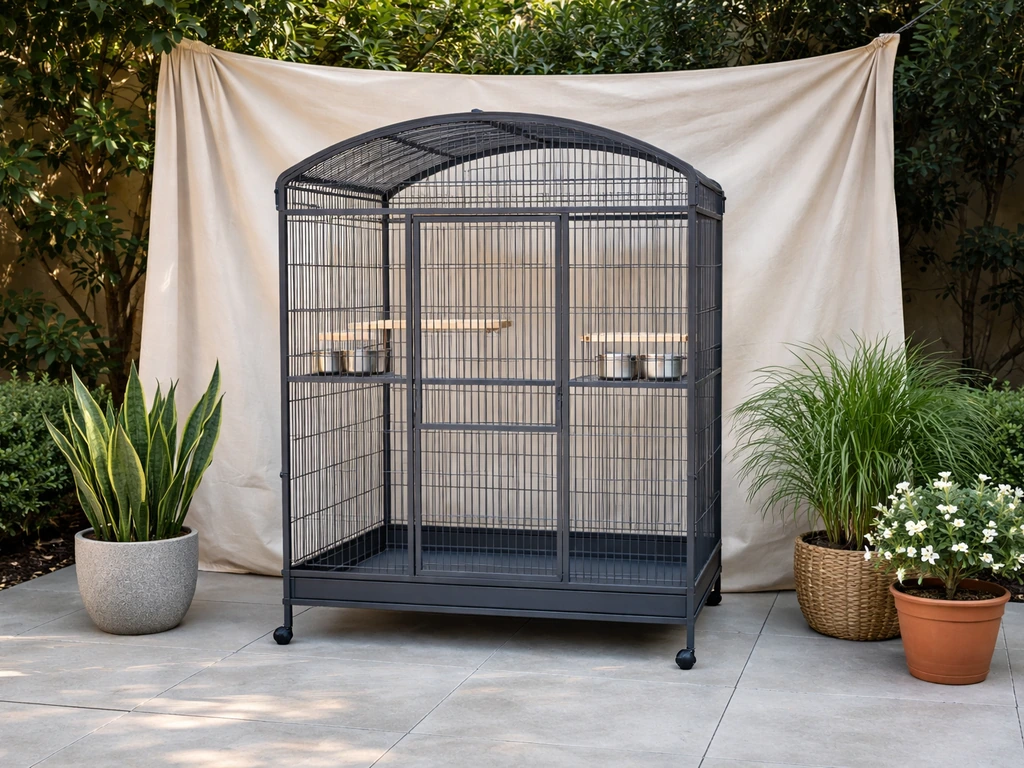
The safest approach for outdoor decorating is to focus most of your effort on the exterior of the cage and the immediate surroundings. Potted bird-safe plants placed around the cage base add color and a natural feel without introducing anything into the bird's space. Terracotta or ceramic planters work well outdoors, resist weather, and are easy to clean. Window box-style planters mounted on a stand or fence beside the cage are another good option, keeping plants close but completely separate from the cage bars.
Decorative cage covers, shade panels in weather-resistant outdoor fabric, and painted cage stands (bird-safe, fully cured paint on the stand only, not the bars) can dramatically improve the visual impact of the setup. If you are working with a vintage or repurposed cage frame as a garden feature rather than a live habitat, the creative possibilities expand significantly. If that describes your project, the ideas in how to decorate with bird cages as garden accents are a great starting point.
Safe additions inside or on the bars
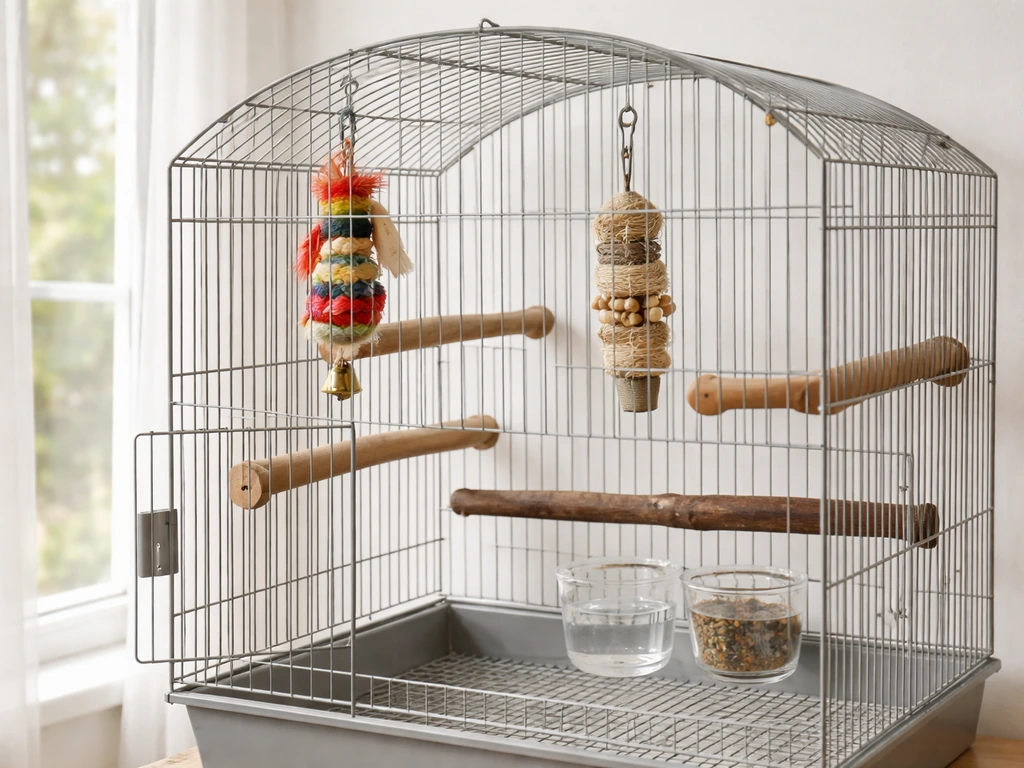
- Natural wood perches of varying diameters: add visual interest, enrichment, and foot exercise simultaneously
- Stainless steel bells or bird-safe foraging toys: mount externally on the bars with quick-release clips for easy removal during cleaning
- Untreated sisal rope bundles: can be clipped to the outside of bars as texture interest without dangling loose inside
- Removable clip-on food and water dishes in bold colors: add visual pop and are easy to pull for cleaning
- Weathered driftwood pieces: mount securely outside the cage as a visual anchor; make sure driftwood is from a clean source, not treated or painted
- Natural grass or seagrass mats on the cage bottom tray: absorb mess, look natural, and are fully replaceable
Seasonal and holiday decorating
Seasonal decorating for outdoor cages follows the same rules as year-round decorating, just with extra attention to temporary items that may not be designed to be bird-safe. If you want to decorate for the holidays, focus on external garlands and non-toxic natural elements like pinecones, dried citrus slices, or untreated evergreen sprigs mounted outside the bars. For a deeper dive into holiday-specific ideas, how to decorate bird cages for Christmas covers what works and what to steer clear of.
Outdoor protection add-ons: covers, shelters, and seasonal swaps
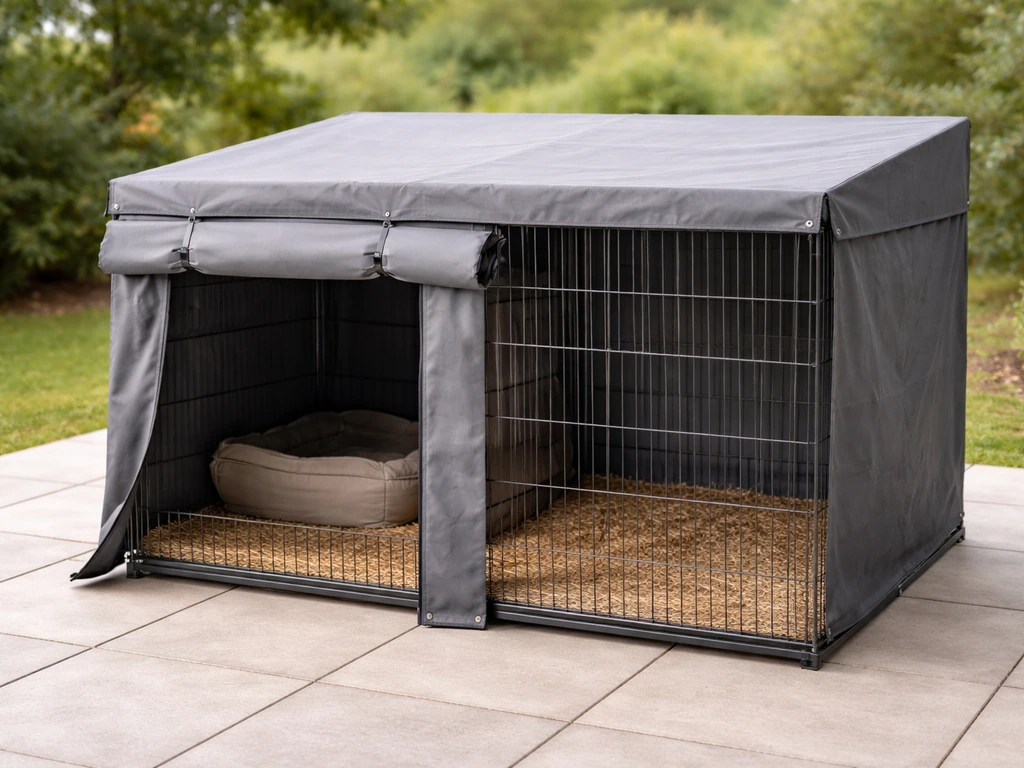
A well-decorated outdoor cage needs a protection system that adapts to changing weather. Think of this as layered protection: a permanent shade structure, a semi-permanent rain cover, and seasonal additions you swap in and out.
For permanent shade, a solid roof extension works best. This can be as simple as a UV-stable polycarbonate panel mounted above the cage on a simple timber or metal frame, or a stretched piece of heavy outdoor canvas. The goal is a fixed, overhead cover that shades the cage from mid-morning sun onward without blocking airflow from the sides. USDA APHIS animal care guidance requires that outdoor enclosures provide shade that comfortably protects all animals at one time, so size the shade structure generously.
For rain, a fitted cage cover made from outdoor-rated fabric (similar to patio furniture covers) works well. Make it easy to remove and reattach so you are not tempted to leave it on when conditions clear. Full cage covers left on during warm weather trap heat and cut airflow, which creates a dangerous environment fast. Only cover the windward and rain-facing sides during active weather.
For summer heat: add a shade cloth to the south and west sides of the cage, provide a shallow ceramic water dish the bird can stand in if it wants to cool down, and check on your bird more frequently during heat waves. If you see open-mouth breathing or wings held out from the body, move the bird inside immediately. For winter: add a fitted draft cover on three sides using heavy outdoor fabric, but leave one side open for ventilation. Monitor for signs of cold stress including shivering, lethargy, and fluffed-up feathers. Birds should come inside if temperatures drop near or below their species-appropriate comfort range.
Pest and mess control for outdoor decorated cages
Outdoor cages attract pests much more readily than indoor ones, and decorative elements add more surface area for mites, insects, and rodents to hide in. This is not a reason to skip decoration, but it is a reason to build maintenance into your design from the start.
Bird mites and insects
Bird mites are a real outdoor risk. They live on birds and their nesting material, and they can be introduced or amplified in outdoor environments where wild birds are nearby. University of Minnesota Extension research on bird mites recommends controlling the external environment and applying insecticide around the outside of the cage area and possible entry points to help keep mites out. Practically, this means not placing the cage directly under a wild bird nest or tree used by wild birds, keeping the surrounding area clear of debris, and treating the ground around the cage if mites become a problem. Natural rope, woven mats, and wooden décor should be inspected weekly and replaced at the first sign of mite infestation.
Mosquitoes and biting flies are also a concern, particularly in warmer months. OC Vector Control educational material specifically notes that spilled food around caged birds increases disease risk from mosquitoes and biting flies. Clean up spilled seed and food daily, and do not allow standing water to collect on or near the cage. Fine mesh insect screens can be added to the sides of the cage at night when mosquito activity peaks, but make sure they do not compromise airflow.
Rodents
Spilled food and seed husks on the ground are the main rodent attractant. Use a fitted tray liner or deep seed catcher tray beneath the cage to contain mess. Check and clean it daily. USDA APHIS biosecurity guidance emphasizes not allowing feed or water to become wet or damp, and handling wet spots promptly, both because wet feed grows mold and because it draws insects and rodents.
Keeping the cage cleanable
Every decorative element you add to an outdoor cage needs to be removable for cleaning. That means clip-on mounts rather than permanent ties, quick-release hardware for perches and accessories, and no decorations that block tray removal or door access. VCA Animal Hospitals recommends rinsing thoroughly after any soap or disinfectant use, and The Gabriel Foundation warns explicitly not to spray disinfectants around the bird. Take all removable décor off before cleaning, wash separately, rinse completely, and make sure everything is fully dry before it goes back on. Damp rope, wood, and fabric quickly develop mold outdoors.
How to actually install outdoor cage décor: step by step
Here is a practical installation sequence you can work through in a single afternoon. This assumes you have already done the safety checks and chosen your materials.
- Set up your placement first. Position the cage in its final outdoor location before attaching any décor. Confirm shade coverage at midday, check wind exposure, and verify the stand is stable and level. Mark where you want the shade structure or cover supports.
- Install the permanent shade structure. Mount your polycarbonate panel, canvas, or UV-stable shade cloth above the cage. Use rust-proof stainless steel or aluminum hardware only. Leave at least 30cm of clearance above the cage top so heat does not trap under the cover.
- Add the windbreak panel. Attach an outdoor fabric panel or polycarbonate sheet to the prevailing wind side of the cage using clip-on panel mounts or cable ties through rust-proof grommets. This side stays on permanently.
- Mount external perches and enrichment. Use quick-release stainless steel hooks or carabiners to hang natural wood perches, sisal bundles, or foraging toys on the outside of the bars. Test each one by pulling firmly. Nothing should slide or detach under moderate force.
- Position planters and ground-level décor. Place terracotta or ceramic planters with bird-safe plants around the cage base. Keep them at least 15-20cm from the bars so soil and plant material cannot blow into the cage. Check that pots cannot tip onto the cage.
- Fit the tray liner and mess catcher. Lay a natural grass or seagrass mat in the cage bottom tray, and position your seed catcher tray or ground cover beneath the cage. Make sure the tray can still slide out fully for daily cleaning without disturbing any décor.
- Install the rain and seasonal cover. Fold and store your fitted rain cover nearby so it is ready to use. Practice putting it on and taking it off quickly. You want to be able to cover the cage in under two minutes if weather rolls in fast.
- Do a final bird's-eye check. Look at the full setup from above and from each side. Confirm no rope, string, or fabric is hanging inside the cage bars. Confirm all doors and the tray are fully accessible. Remove your bird from its temporary space and introduce it to the outdoor setup while you observe its behavior for the first 15-20 minutes.
Your outdoor décor safety checklist
- Cage bars, welds, and coating inspected: no rust, flaking, or galvanized components
- All hardware is stainless steel or rust-proof aluminum
- No plastic string, fishing line, or monofilament used anywhere
- All wood is untreated and from a bird-safe species
- All rope is natural fiber (sisal, hemp, or cotton), not synthetic
- Any sealant used is fully cured aquarium-grade silicone before bird contact
- No paints or coatings on cage bars, bird-safe paint only on external stands or frames
- Shade covers at least 30% of the cage roof at all times
- One windward side has a solid barrier
- Airflow is maintained on at least one open side
- All décor is removable without tools for cleaning
- Tray and all cage doors are fully accessible with décor in place
- Planters and ground décor are confirmed bird-safe species only
- Spilled food cleanup plan is in place (daily)
- Rain cover is stored nearby and can be deployed quickly
- Bird is never left unattended outdoors
- Heat and cold stress signs are known and being actively monitored
A note on repurposing and DIY cage builds
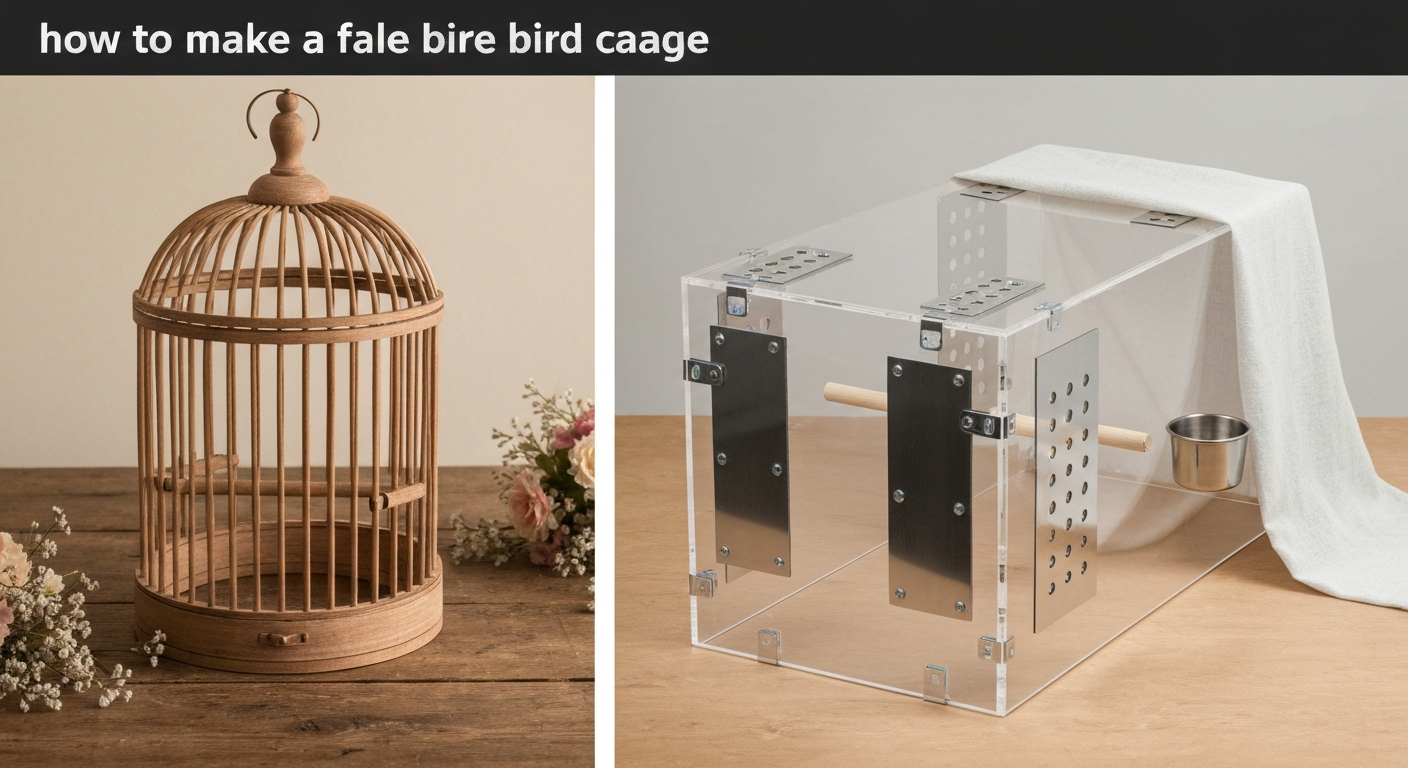
If you are building a decorative outdoor cage from scratch rather than dressing an existing one, the material rules above apply even more strictly since you are making every choice from the ground up. If you want to get into more involved custom builds, how to make decorative bird cages covers construction approaches in detail, including framing, bar spacing, and finishing options. And if you have an old cage that is no longer suitable as a live habitat but you want to repurpose it as an outdoor garden feature, what to do with old bird cages has some solid ideas for giving them a second life without putting any birds at risk.
Whether you are dressing up an existing outdoor aviary or building something from scratch, the principle is the same: safety and welfare drive every decision, and decoration follows from there. Get that sequence right, and you can absolutely have an outdoor cage that looks considered and beautiful while keeping your bird comfortable through every season.
FAQ
Can I hang décor inside the cage bars or does it all need to be outside?
Skip anything mounted inside the bars unless you can confirm it is fully bird-safe (no pesticide residues, no treated wood, no unknown coatings) and fully removable for daily cleaning. For safety, keep décor external when possible, or use only chew-safe, non-toxic items that you already know your bird will not ingest.
What materials should I avoid even if they look “natural” (wood, rope, fabric, or plants)?
Check for toxic exposure through chewing, rubbing, and drip contact. Avoid pressure-treated lumber, treated rope, and any fabric that has been waterproofed with unknown chemicals. If you use any plant, pesticides or herbicides on soil and leaves are the main risk, so use clean potting mix and bird-safe plants only.
How often should I re-check the cage and décor for damage outdoors? If something gets a little damaged, what’s the threshold to replace it?
Do a weekly inspection, then increase frequency in wet or windy weather. Look for peeling paint, rust freckles around welds, loose clip-on attachments, and sagging shade cloth. Replace any item that has frayed edges, cracks, or whitening that suggests breakdown of coatings.
How do I decorate without making daily cleaning harder or risking the bird during maintenance?
Use décor that does not interfere with door access and tray removal, and keep all attachments designed to come off quickly without pulling through the bars or reaching over the bird. For cleaning efficiency, plan for at least two routine tasks: removing droppings/liners without snagging décor, and rinsing surfaces without wetting materials that take too long to dry.
Can I use bug sprays, sticky traps, or pest-control products near the outdoor cage?
Never use sticky adhesives or sprays around the cage, especially near doors, bars, and perches where birds can contact residues. If you need pest control, treat the surrounding area and entry points while keeping all chemicals away from the bird and remove all items that could trap residue before application.
I want insect screening at night, will mesh covers work without stressing the bird?
Yes, but only if the setup maintains airflow and access to shade. Fine mesh can reduce airflow if it is too dense or added to all sides, so use it temporarily at peak mosquito times and leave at least one side with unobstructed cross-ventilation.
What should I do with outdoor cage décor during heavy rain or strong winds?
For storms, the safe move is to remove temporary décor and secure or relocate lightweight attachments so nothing can become a projectile. Use the layered protection approach, keep the windward side protected, and avoid fully covering the cage during warm spells because it can trap heat.
How can I tell if my décor setup is trapping heat, and what are the signs my bird is overheating?
Provide a cooling option at the shade level, not inside a closed decorative nook. If the bird shows open-mouth breathing, wing-out posture, or lethargy, move the bird to a cooler indoor area immediately. Also stop adding new décor during heat waves since it can reduce airflow and make overheating more likely.
What changes should I make for winter and rainy seasons so décor doesn’t lead to mold or cold stress?
If the cage is outdoors year-round, avoid decorations that absorb moisture and hold it against surfaces (unsealed fabric, porous untreated wood, or rope that stays damp). After rain, remove external rope or fabric decorations if you cannot dry them quickly, and ensure the bottom tray is cleaned daily to prevent mold and pest attraction.
What’s the simplest step-by-step way to decorate an outdoor bird cage safely if I’m doing it for the first time?
Start by choosing a “cleanable perimeter,” then build outward. For a first-time setup, focus on external planters, weather-resistant shade panels, and a removable roof or side barrier for wind, then add only one or two decorative items at a time so you can test airflow and cleaning access before going fully decorative.
If I use flowers, how can I prevent fallen petals or leaves from becoming a mess or a chewing/toxicity risk?
Do not rely on flowering displays as your main décor. Use flowers in planters placed beside or around the cage base, and keep leaves and petals from being able to drop into the tray area. If you see your bird attempting to chew stems or if fallen parts accumulate, remove the flowers and switch to non-chew-safe external greenery.
Can I decorate a “display” bird cage outdoors in a way that would be unsafe for a live bird?
Yes, but only for back-of-house display uses. If the cage will no longer hold a live bird, you can use more forgiving materials, but if any part will be near a bird’s reach (especially chew access), keep the same safe-material rules. Also ensure any new finishes are fully cured before a bird ever comes close.