
Yes, you can clean your bird cage while pregnant, but you need to do it carefully. If you are setting up the cage for the first time, aim to place it in a well-ventilated room where droppings and cleaning dust are easier to manage. The main risks are breathing in airborne dust from dried droppings, inhaling chemical fumes from strong cleaners, and physical strain from awkward lifting or bending. With the right PPE, proper ventilation, wet-cleaning methods, and bird-safe products, most pregnant bird owners can handle routine spot cleaning safely. For deep cleans involving a lot of old buildup, heavy scrubbing, or any signs of mold, it is smarter to delegate or at least get a second person involved.
Can I Clean My Bird Cage While Pregnant Safely? Guide

Maya Bennett
5 Jun 2026
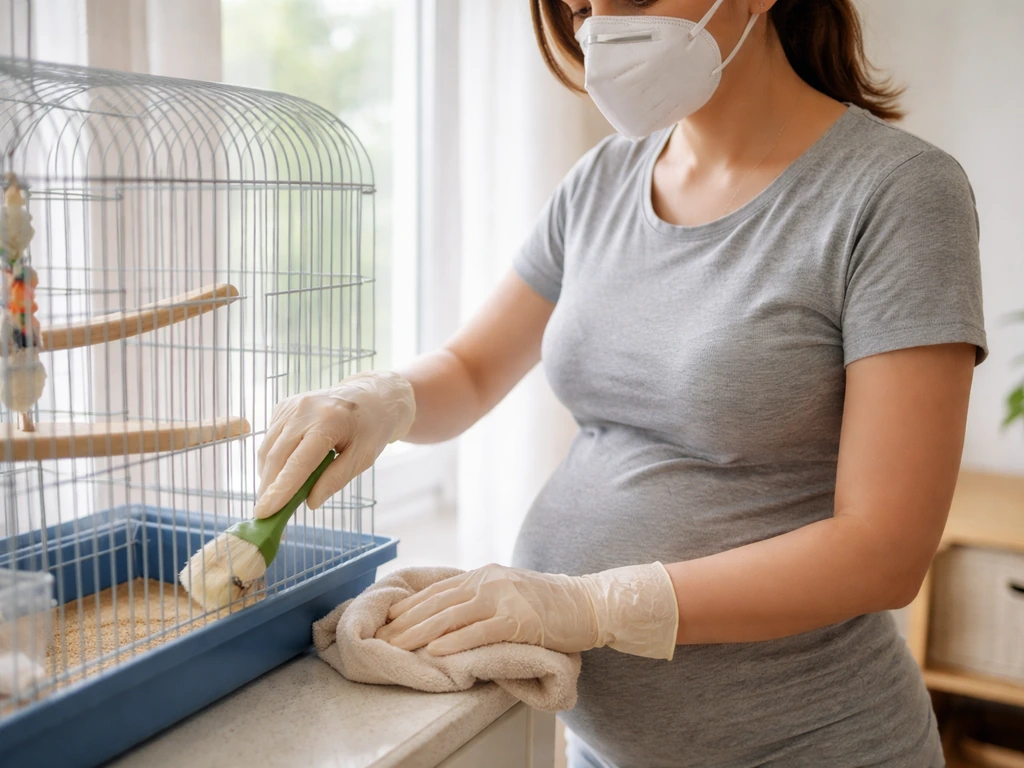
The real risks you need to know about
This is not about being overly cautious. These are specific, documented hazards that matter more during pregnancy because your respiratory system and immune response are already working harder than usual.
Dried droppings and aerosolized dust
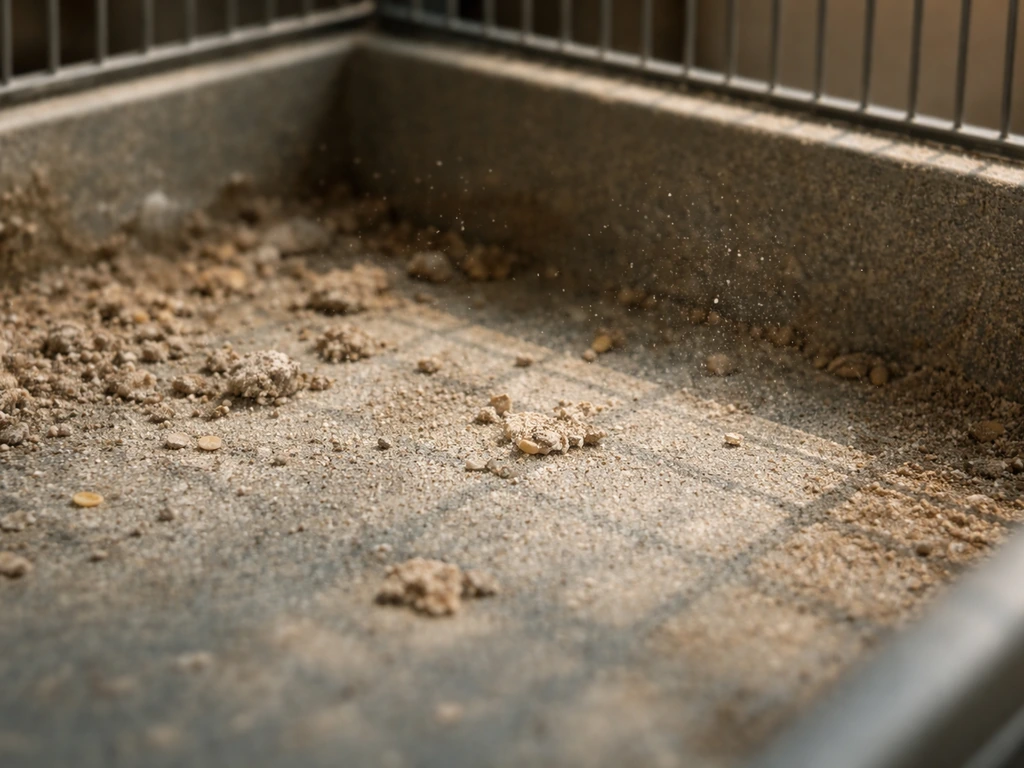
When bird droppings and secretions dry out, they crumble into fine particles that float in the air. The CDC identifies this as the main route of psittacosis infection in people: breathing in dust from dried bird droppings or secretions. Psittacosis is a bacterial infection caused by Chlamydia psittaci, and while it is treatable, it causes serious flu-like illness and is not something you want to deal with while pregnant. The key takeaway is that dry scraping, dry sweeping, or vacuuming dry cage liners sends exactly this dust into the air you breathe. You need to wet things down first, every single time.
Mold and mildew in damp areas
Cage trays, water bowls, and humid corners of the cage can grow mold quickly, especially in warm months. The CDC links indoor mold exposure to respiratory symptoms including cough, wheeze, and in susceptible people, hypersensitivity pneumonitis. Mold spores become airborne the moment you disturb a moldy surface, so any visible mold patches on cage parts need to be treated carefully, not just wiped dry.
Chemical fumes from cleaners
Strong disinfectants, bleach-based sprays, and anything with heavy fragrance release fumes that irritate airways. Mixing bleach with ammonia-based cleaners produces toxic chloramine gas, which is a serious hazard regardless of pregnancy. Bleach alone can trigger breathing difficulties, especially in people with any respiratory sensitivity. During pregnancy, your airways are often more reactive than usual, so fumes that you might have tolerated before can hit harder now.
Physical strain
Lifting a full cage tray, reaching into tight spaces, or scrubbing a large enclosure while bending awkwardly puts unnecessary pressure on your back and abdomen. This is especially relevant in the second and third trimesters. Keep heavy lifting delegated, and set up your cleaning station so everything is at a comfortable height before you start.
PPE and ventilation: set this up before you touch anything
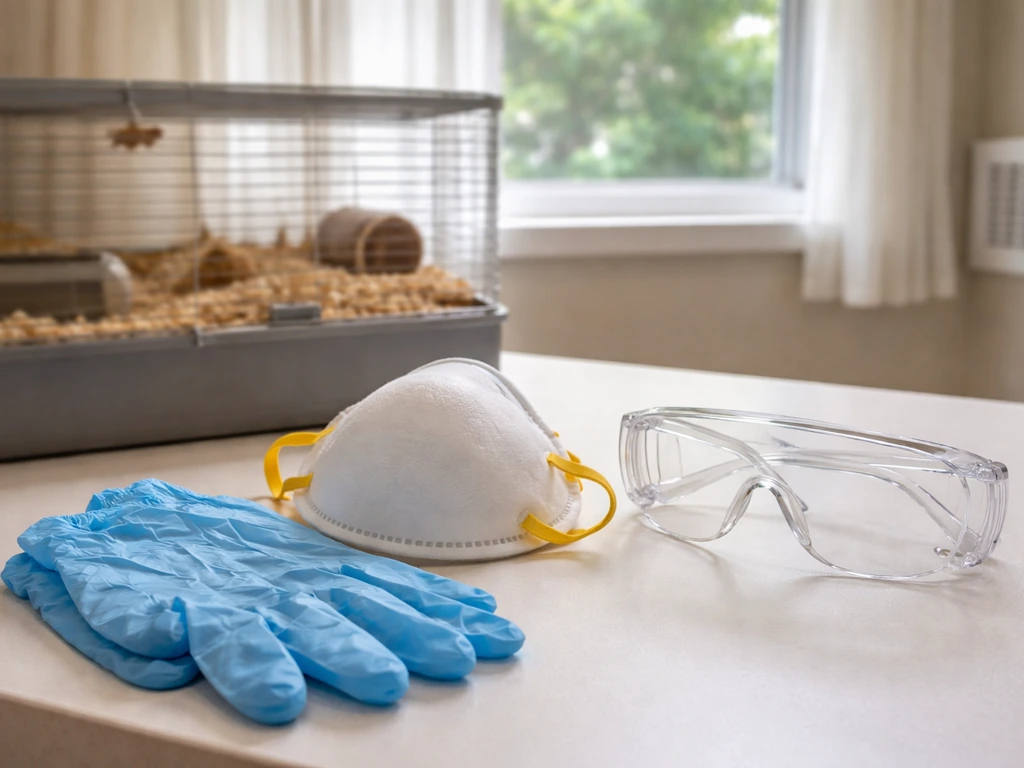
Getting your setup right before you start is honestly more important than the cleaning steps themselves. Do not skip this part.
- Gloves: Use rubber or disposable nitrile gloves every time you handle droppings, soiled liners, or dirty cage parts. Never pick up droppings with bare hands.
- Respirator: An N95 respirator is the standard recommendation for bird dropping cleanup. The CDC and NIOSH specifically note that N95 respirators can be used during pregnancy, but NIOSH also recommends discussing this with your doctor, especially in advanced pregnancy or if you have any respiratory condition. A well-fitted N95 filters airborne particles effectively; a loose surgical mask does not. If you have not been fitted before, make sure the mask seals against your face with no gaps at the sides.
- Eye protection: Goggles that fit snugly are recommended when cleaning areas with potential for dust or splashing. Regular glasses are not a substitute.
- Clothing: Wear a dedicated top you can immediately put in the wash after cleaning to avoid carrying dander or particles into other rooms.
- Ventilation: Open windows and, if possible, turn on a fan positioned to push air out of the room (not across you toward your face). Do not use a fan that blows toward your face while cleaning mold, as it can spread spores directly at you. Outdoor cage cleaning is even better since fresh air dispersal is much faster.
- Move your bird first: Birds have extremely sensitive respiratory systems, and disinfectant fumes can harm them even at low concentrations. Get your bird into a separate, well-ventilated room before you start, and do not return them to the cage until it is fully rinsed and dry.
How to clean the cage safely: spot cleaning vs. deep cleaning
There are two different situations here, and the approach differs enough that it is worth treating them separately.
Daily and spot cleaning (every 1-3 days)
- Put on your gloves, N95, and eye protection before opening the cage.
- Mist the cage tray, cage bottom, and any visible droppings with water or a diluted bird-safe cleaner from a spray bottle. Let it sit for 30 seconds so dried material softens. This step is non-negotiable: it stops dust from becoming airborne.
- Remove soiled cage liners or substrate by folding them inward (so the soiled side faces in) and dropping them directly into a bag without shaking or tearing. Double-bag the waste before placing it in the trash.
- Wipe down the cage bottom with a damp cloth or paper towels. Do not dry-sweep or use a dry brush.
- Rinse food and water bowls with hot water. Wash with dish soap, rinse thoroughly, and let air dry before refilling.
- Wash your hands thoroughly after removing gloves, even though you wore them.
Deep cleaning (weekly or every 2 weeks)
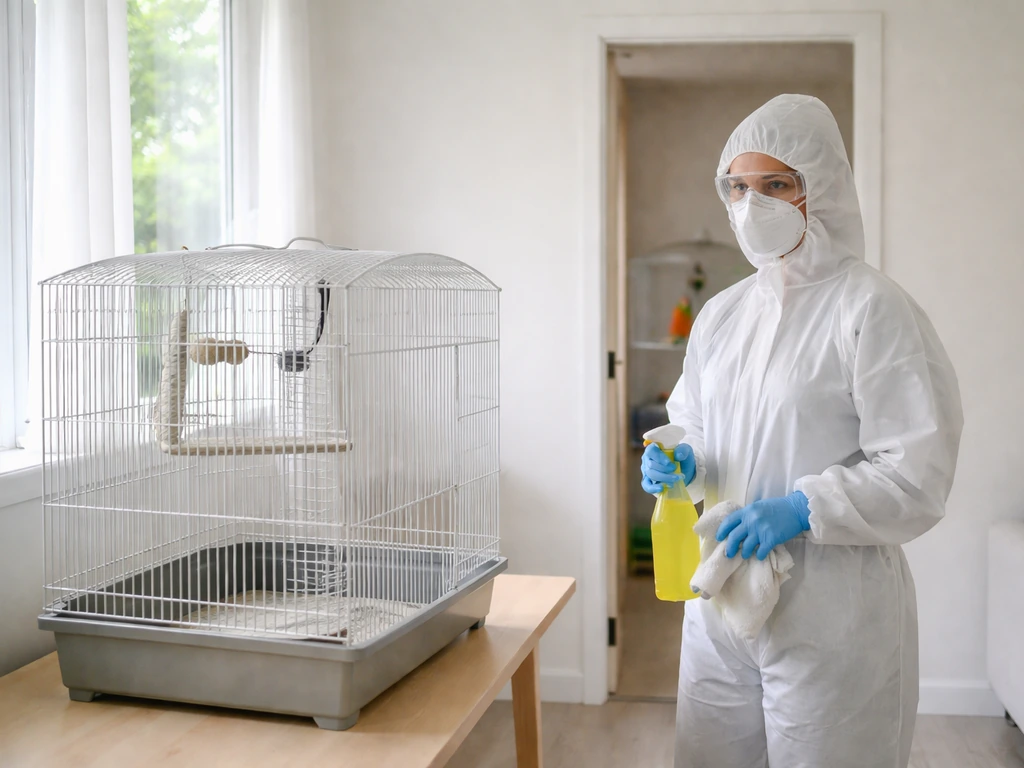
- Move your bird to a different room and close the door. Make sure they have food and water.
- Put on full PPE: gloves, N95, eye protection, and dedicated clothing.
- Open windows and set up ventilation before bringing any cleaners into the space.
- Remove all cage accessories: toys, perches, bowls, liners, and any cage furniture.
- Mist all surfaces inside the cage, including bars, cage bottom, tray, and grate, with water or a diluted safe cleaner before touching anything dry.
- Remove the tray and wet-wipe all loose debris. Double-bag soiled liners and waste.
- Carry the tray and accessories to a utility sink or outdoors for scrubbing. Avoid bending heavily: place everything on a table at waist height if possible.
- Scrub all parts with hot water and a non-toxic, fragrance-free dish soap or bird-safe cleaner. For disinfection, apply your chosen safe disinfectant (see the next section), allow a 5-10 minute contact time on clean surfaces, then rinse thoroughly.
- Let everything air dry completely before reassembling. Do not use a hair dryer or fan blowing directly at mold-affected areas.
- Reassemble the cage and return your bird only when all surfaces are fully dry and the room has been ventilated for at least 15-30 minutes after any disinfectant was used.
If the cage has not been deep cleaned in a while and there is significant buildup, caked grime, or visible mold, ask someone else to handle this particular clean. That is the smart call, not a sign of weakness.
Safe cleaners to use and what to avoid
Choosing the right cleaner matters both for your safety and your bird's. Birds are harmed by many of the same fumes that irritate human airways, just at lower concentrations. So products that are safe for both of you overlap more than you might think.
Good options for pregnant bird owners
| Cleaner | How to Use It | Pregnancy Notes |
|---|---|---|
| Fragrance-free dish soap + hot water | Scrub with a brush or cloth, rinse thoroughly | Very low fume risk; excellent for daily cleaning of bowls and accessories |
| Diluted bleach (1:32 ratio = 1/2 cup bleach per gallon of water) | Apply to pre-cleaned (feces-free) surfaces, let sit 5-10 minutes, rinse well and air dry completely | Use only in well-ventilated area; never mix with any other cleaner; let area air out before returning bird or entering without PPE |
| Accelerated hydrogen peroxide products (e.g., Rescue/Accel) | Follow label dilution; apply to clean surface, rinse well | Lower fume profile than bleach; rinse well before returning bird |
| White vinegar solution (1:1 with water) | Spray on surface, wipe down, rinse with water | Deodorizes and cleans lightly; not a full disinfectant but useful for routine wipe-downs with minimal fume risk |
What to avoid
- Bleach mixed with any ammonia-based product: this creates toxic chloramine gas, which is dangerous to you and your bird.
- Ammonia-based cleaners: these cause respiratory irritation even without mixing, and the smell alone can be problematic during pregnancy.
- Heavily fragranced sprays, air fresheners, or scented cage cleaners: fragrance can contain volatile organic compounds that irritate airways.
- Aerosol spray disinfectants used indoors without strong ventilation: the propellant and active ingredients together increase inhalation exposure.
- Phenol-based disinfectants (common in some all-purpose cleaners): highly toxic to birds and irritating to human airways.
- Anything labeled with warnings about not using in confined spaces or requiring ventilation: if the label says that, the product is not appropriate for this situation.
A practical rule: if you can strongly smell a cleaner from arm's length away while wearing your N95, it is releasing more fumes than you want in that space. Switch to a milder option or improve ventilation significantly.
Cleaning all the parts: toys, perches, liners, bowls, and cage bars
Food and water bowls
Wash these daily with hot water and fragrance-free dish soap. Rinse completely, because soap residue can irritate a bird's digestive system. Let them air dry before refilling. For a weekly disinfection, soak in a diluted bleach solution, then rinse multiple times and air dry fully.
Cage liners and substrate
Mist before you remove them, always. Fold the liner inward so soiled sides face each other, and drop straight into a garbage bag without shaking. Double-bag and seal before going to the trash. If you use a loose substrate like corn cob bedding, lightly mist the whole surface first, then scoop into a bag with a small shovel or dedicated scoop rather than your hands.
Perches
Wooden perches soak up bacteria and droppings over time and are one of the germiest parts of the cage. Scrub them with hot water and a stiff brush, then optionally apply a diluted safe disinfectant solution for 5-10 minutes of contact time. Rinse thoroughly and let dry completely before replacing: damp wood can encourage mold. Rope or cotton perches that are heavily soiled can be machine-washed in hot water, but replace them if they hold any mold smell after washing.
Toys and cage accessories
Hard plastic or stainless steel toys can be scrubbed and disinfected the same way as bowls. Soft fabric or natural fiber toys should be washed in hot water if possible, or replaced if visibly soiled with no practical way to sanitize them. Mist any heavily soiled toy before handling to reduce dust. Check toys for cracks or frayed ropes where bacteria can hide and replace them rather than trying to clean them thoroughly.
Cage bars and frame
Spray or wipe cage bars with a damp cloth first to wet any stuck-on droppings before wiping them off. For stubborn grime, a soft brush dipped in soapy water works well. Rinse bars by wiping with a clean wet cloth multiple times, then dry. Pay attention to the corners and horizontal bars where buildup accumulates. If you notice rust developing on cage bars, that is worth addressing separately as it can indicate compromised coating. When choosing paint for a bird cage, look for bird-safe, non-toxic, water-based coatings made for cages and confirm it is fully cured before your bird returns rust developing. The topic of safe cage paints and coatings is something to revisit once your pregnancy is over and you are in a better position to handle fumes from any repainting work.
After cleaning: drying and keeping things clean longer
Everything needs to be completely dry before you put it back and return your bird. Damp surfaces encourage mold growth, and mold in a cage environment means you will be dealing with spores during the next cleaning. The EPA recommends drying wet materials within 24-48 hours to prevent mold from getting established, and the same principle applies to cage parts.
A few habits that genuinely reduce how often you need a heavy deep clean:
- Change cage liners every 1-2 days rather than waiting for full saturation. Fresher liners mean less dried material to deal with each time.
- Rinse food and water bowls daily. Wet food left in bowls for more than a few hours becomes a mold risk fast.
- Place the cage in a spot with good airflow but out of direct drafts. Good air circulation slows damp buildup around the tray area. If you are thinking about cage placement, a location near a window with natural light and airflow works well, as long as direct sun exposure and outdoor temperature risks are managed.
- Use a cage apron or seed catcher around the base to contain debris and reduce floor mess. This limits how much dried material disperses into the room air.
- Spot-clean any visible droppings on bars or accessories the same day you notice them. Wet them first, wipe off, done. Letting them accumulate means more aerosol risk at the next clean.
- Keep the area around the cage clean too. Sweep or damp-mop the floor around the cage regularly (wet method only) to prevent dried droppings from accumulating outside the cage and becoming a secondary dust source.
- Maintain low humidity in the room if possible. High humidity encourages mold growth on cage parts and in the tray. A small dehumidifier in very humid rooms or seasons is worth it.
When to hand it off: a decision checklist
Most of the time, with the right setup, you can clean your cage safely. If you are wondering about using a bird cage for rats, it is also important to think about cage safety, ventilation, and how the bars affect rat health and escape risk. If you are wondering about putting your bird cage outside, the same safety rules apply, so plan for dust, mold, and strong cleaner exposure before you move anything clean your cage safely. But there are situations where the sensible move is to ask a partner, friend, or family member to take over. Here is a straightforward checklist to work from.
Go ahead and clean it yourself if:
- You have N95, gloves, and eye protection available and properly fitted
- The room can be ventilated well with open windows or outdoor access
- You are doing routine spot cleaning or a standard weekly clean with no visible mold
- You can work at a comfortable height without awkward bending or heavy lifting
- Your doctor has not advised you to avoid respiratory exertion or chemical exposure
- You are using only fragrance-free, bird-safe cleaners with no mixing of products
Hand it off to someone else if:
- There is visible mold on the cage, tray, or any accessories
- The cage has not been cleaned in a long time and has significant dried buildup
- You do not have an N95 that fits properly
- You are in the third trimester and bending or lifting is uncomfortable
- You have asthma, allergies, or any respiratory condition that your doctor has flagged
- The only available cleaners are strong disinfectants with heavy fumes and ventilation is limited
- You feel lightheaded, short of breath, or unwell during or after any cleaning task
When to contact your healthcare provider
Call your doctor or midwife if you develop flu-like symptoms (fever, chills, body aches, headache, dry cough) within 1-2 weeks of cage cleaning, especially if your bird has been unwell or you suspect you may have inhaled dust. These symptoms can overlap with psittacosis, which is treatable with antibiotics but needs prompt diagnosis during pregnancy. Also check in with your provider before using an N95 regularly if you are in your third trimester, since NIOSH research specifically addresses the physiological effects of respirator use at advanced pregnancy and your provider can give you personalized guidance.
FAQ
Can I clean my bird cage during pregnancy if I only do quick spot cleaning?
Yes, quick spot cleaning is usually the lowest-risk option, as long as you still wet down droppings before touching them. Avoid dry wiping, dry scraping, or vacuuming dried debris, and keep the bathroom or laundry room fan running if you are cleaning indoors. If you feel the urge to “just brush it off dry,” pause and mist or wet first.
Is it safe to use a vacuum or shop-vac on cage liners while pregnant?
Avoid vacuuming dry droppings or dried liners. If you must use a vacuum nearby, only do it after you have misted the surface to keep dust from becoming airborne, and use the gentlest setting possible. A HEPA vacuum filter helps, but wet-cleaning the source first is still the key step.
What should I do if I notice mold in or around the cage?
Do not just wipe mold and move on. If there is visible mold, treat it as a “second-person” clean, ventilate the room, and plan to wet-clean and fully dry all affected parts before the bird returns. If the mold smell is strong or spreads when disturbed, stop and delegate completely.
Can I clean the cage while using bleach or disinfectant sprays if I wear an N95?
An N95 may help with dust, but it does not fully protect you from chemical fumes. If you can smell bleach strongly from arm’s length away, switch to a milder option and improve ventilation. Never mix bleach with any other cleaner, especially ammonia products, and if you develop throat or breathing irritation, stop immediately and move to fresh air.
How do I handle cleaning if I am in the first trimester and have nausea or asthma?
If you have asthma or pregnancy-related increased airway sensitivity, prioritize delegating the deeper clean and choose fragrance-free, low-fume methods. Consider having someone else handle disinfection, while you do low-exposure tasks like rinsing and reassembly. If symptoms flare during cleaning, your goal should be to exit the space and contact your clinician if they persist.
Can I clean the cage in a small room or closet with the windows closed?
Better not. Even with PPE, smaller spaces concentrate both dust and fumes. Clean in a well-ventilated area, use an exhaust fan if available, and avoid trapping yourself in the same room while disinfectants are wet. If you cannot ventilate adequately, switch to delegating or postpone the clean.
Are paper liners, corn cob bedding, or loose substrates harder to clean while pregnant?
They can be, because loose bedding can create dust when disturbed. Mist the surface before scooping, avoid shaking liners, and use a dedicated scoop or small shovel rather than handling with your hands. Bag promptly, seal the bag, and keep the waste away from your breathing zone during disposal.
What PPE is most important during cage cleaning in pregnancy?
The priority is respiratory protection from dust and fumes. Use the appropriate mask for your situation, but also include eye protection if you splash or scrape, and gloves to avoid contact with secretions. The bigger determinant is technique (wet down first, avoid fume-heavy products) rather than PPE alone.
How quickly should the bird be allowed back after cleaning?
Only return the bird when everything is completely dry. If parts feel cool or damp, leave them out longer, because damp surfaces increase mold risk and can lead to spore exposure during the next cleaning. For thoroughness, recheck corners, tray edges, and any wooden or textured surfaces that hold moisture.
Is it okay to clean the cage if I am feeling sick, even with mild symptoms like a cough?
If you are already coughing, runny-nose, or feverish, it is better to avoid cleaning that generates dust or fumes. Delegate the clean, and contact your midwife or doctor if symptoms worsen or overlap with flu-like illness after a recent cage clean.
What signs mean I should call my midwife or doctor after cleaning the cage?
Call promptly if you develop flu-like symptoms such as fever, chills, body aches, headache, or a new dry cough within about 1 to 2 weeks after cleaning, especially if you suspect you inhaled dust. Also seek advice sooner if you have wheezing, shortness of breath, or symptoms that do not improve with rest and hydration.
Should I clean cage parts outside, like on a patio or garage floor, while pregnant?
Outdoor cleaning can reduce indoor air exposure, but you still need to wet down droppings first to prevent dust drift. Keep pets and children away from the area, secure the waste bag so it does not leak, and be mindful of uneven surfaces that can increase bending and lifting strain.
Can I repaint or replace cage parts during pregnancy to reduce odors or rust?
Be cautious with repainting work because curing materials can release fumes. If rust is present, focus on safe cleaning, fully drying, and proper assessment. For repainting, it is often smarter to postpone until after pregnancy or delegate, especially if you would need strong solvents or heavy ventilation.
Next Articles
What Paint to Use for Bird Cage: Safe Step-by-Step
Choose truly bird-safe paint for your cage, prep and apply step-by-step, avoid toxic fumes, and know when it’s safe for
Where to Put a Bird Cage in House: Best Spots Guide
Get exact best spots to place a bird cage, avoid drafts fumes and sun, and choose height and room by bird type.
Can I Put My Bird Cage Outside? Safe Guide by Weather
Learn when it’s safe to put a bird cage outside, how to place it, and how to protect from heat, rain, pests.