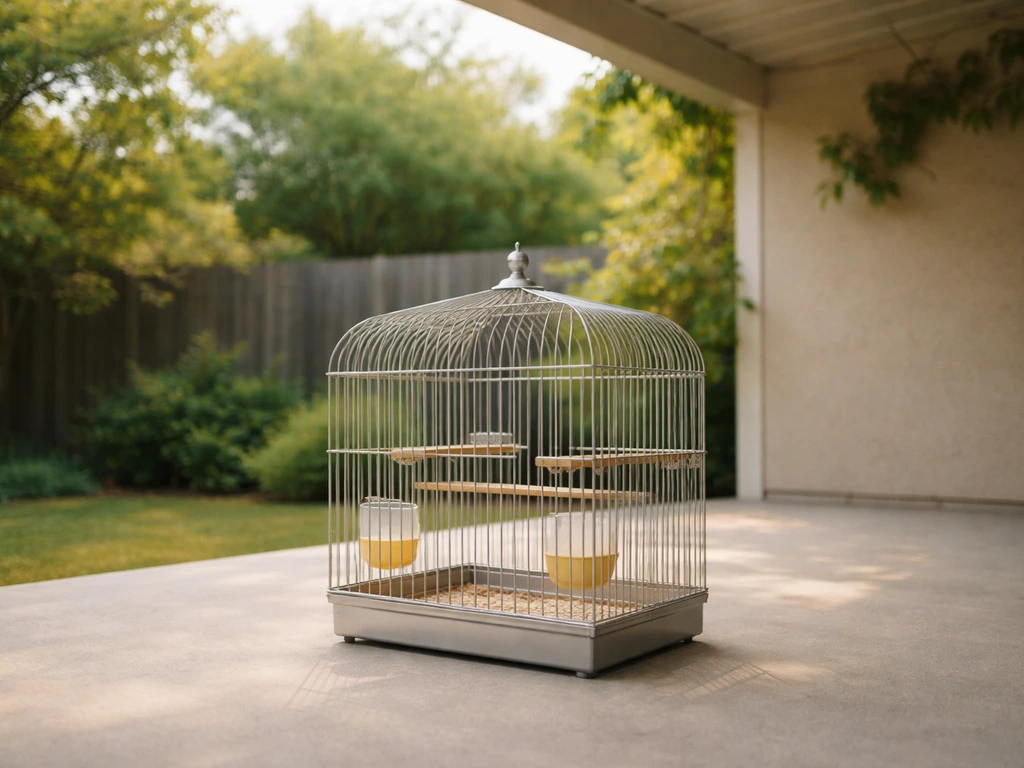
Put your bird cage in the room where your family spends the most time, like a living room or family room, but position it in a corner or against a wall so the bird feels secure on at least two sides. Keep it away from the kitchen, garage, and any room where fumes, smoke, or aerosol sprays are common. Eye level is the sweet spot for height, roughly 4 to 6 feet off the ground, on a stable stand that won't wobble.
Where to Put a Bird Cage in House: Best Spots Guide

Maya Bennett
1 May 2026
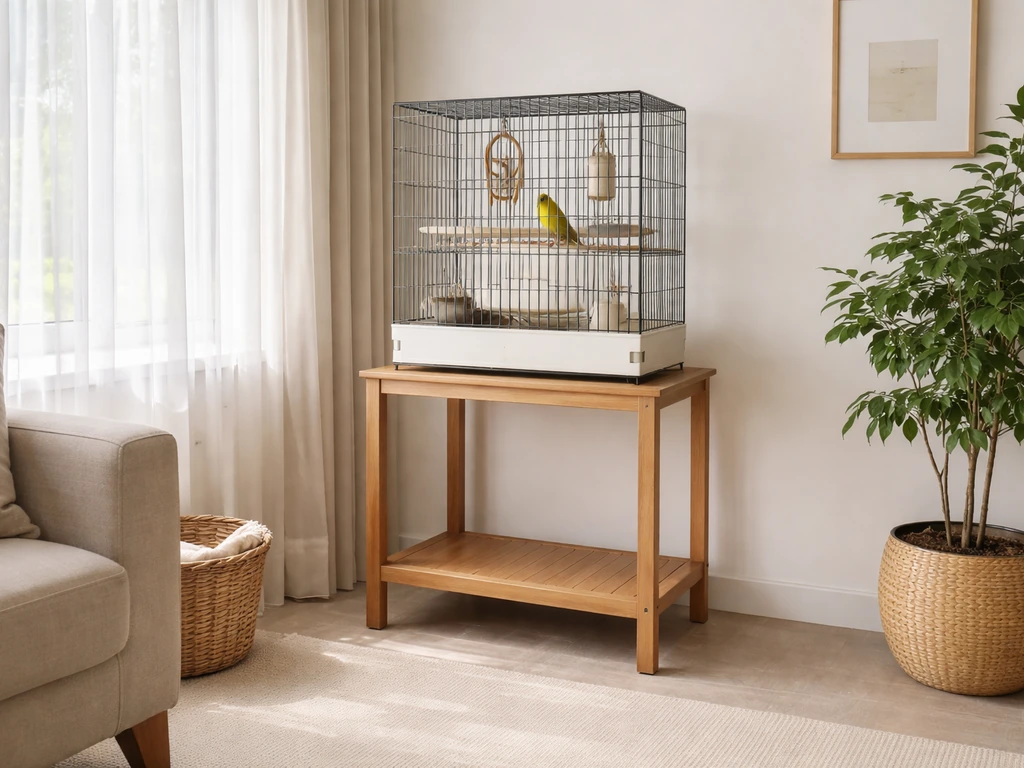
Best room placement basics
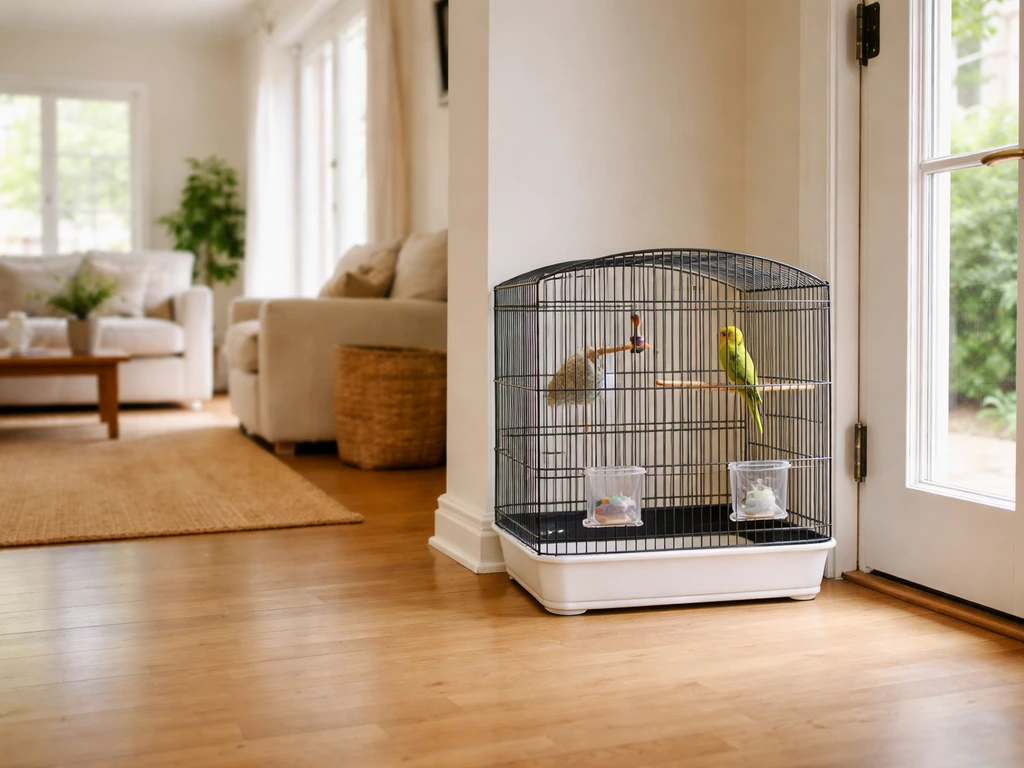
The goal is to balance social stimulation with a sense of safety. Birds are flock animals and they genuinely thrive when they can see and hear household activity, but they also need a solid corner or wall behind them so they don't feel exposed on all sides. A living room, den, or family room almost always works better than a bedroom (too isolated during the day) or a study that barely gets used. Place the cage so at least one side, ideally two, is backed against a wall or corner. This gives your bird a sense of security without cutting it off from the action.
Keep the cage away from exterior doors that swing open regularly. Cold or hot air rushing in every time someone enters is genuinely stressful for birds. The same goes for high-traffic hallways where people rush past unpredictably. You want activity the bird can observe, not a spot where it gets startled a dozen times a day.
Avoiding drafts, fumes, and direct sunlight
This is where most new bird owners make their biggest mistakes, so pay close attention here. The kitchen is the single most dangerous room in your house for a bird cage. Cooking fumes, smoke, non-stick cookware off-gassing (which is acutely toxic to birds), and general combustion byproducts can kill a bird quickly. The Merck Veterinary Manual is explicit: keep cages well away from cooking fumes. Garages and workshops are equally off-limits because of exhaust, solvents, and paint fumes.
Aerosol products are a sneaky hazard that people overlook. Air fresheners, spray disinfectants, carpet sprays, and insect killers can all irritate or poison birds even in rooms that seem well-ventilated. Aerosol products can be a serious risk because pet birds have very sensitive respiratory tracts that can be harmed by chemical fumes such as sprays. If you use any of these products in the house, move your bird to a closed room on the opposite end of the home first, then ventilate the treated area thoroughly before bringing the bird back.
Drafts are just as dangerous as fumes. Never place a cage directly in the path of an air conditioning or heating vent, in front of a window that gets cracked open, or near an exterior door. The University of Florida's small animal care guidance is clear on this: direct airflow from vents is a serious welfare issue, not just a comfort concern.
At the same time, you do want a well-lit room because good natural light supports normal behavior and sleep cycles. The fix is indirect light: position the cage so it gets ambient daylight but is not in direct sun, which can cause dangerous overheating within minutes, especially in smaller cages. Purdue University’s general husbandry guidance recommends ensuring the cage is [not in direct sunlight during the day](https://vet. purdue.
edu/hospital/small-animal/articles/general-husbandry-of-caged-birds. php), or that it always has shaded areas.
Height, stability, and bird safety checks
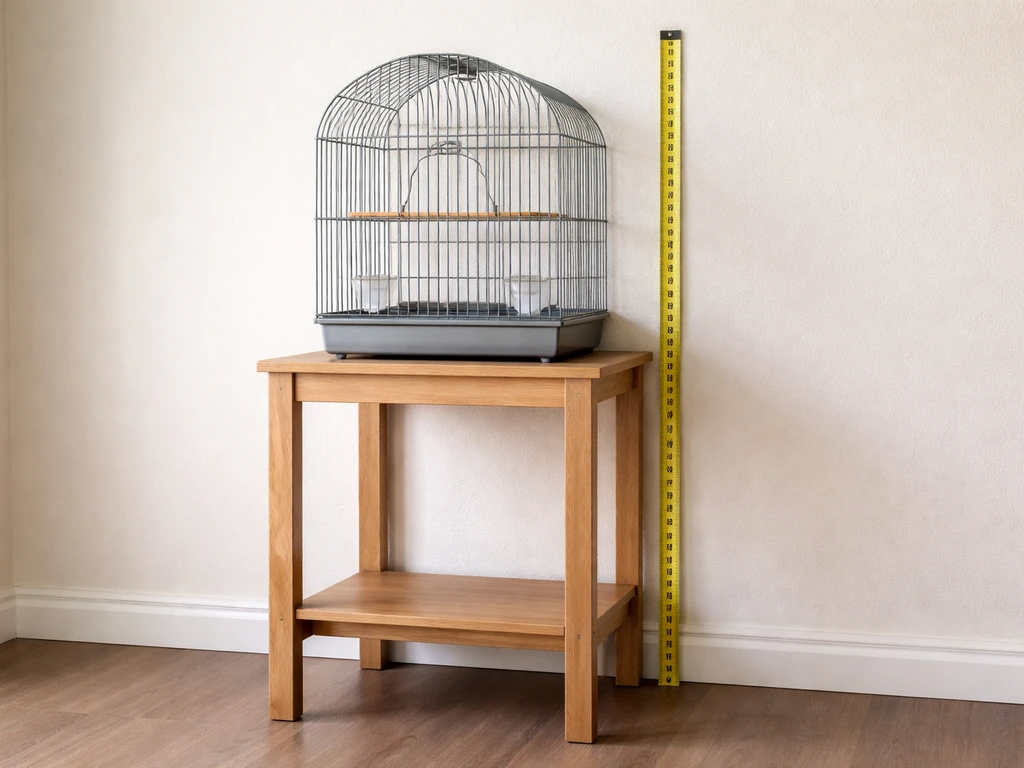
Eye level for the average adult, roughly 4 to 6 feet from floor to the top of the cage, is the recommended height. Birds feel more secure when they can see the room from a slight elevation, and it also puts you at a comfortable angle for daily interaction, feeding, and spot-cleaning. Going too high (perched on top of a tall bookcase, for example) cuts off easy eye contact and makes daily maintenance awkward. Going too low leaves the bird feeling vulnerable, especially if you have cats or dogs.
The stand or surface the cage sits on matters a lot. It needs to be stable enough that a large parrot moving around vigorously won't tip it, and the legs should be non-wobbly on your specific floor type. If you're placing the cage on a wheeled stand for cleaning convenience, check that the wheels lock securely. Run through this quick safety check before the cage goes live:
- Rock the stand firmly side to side and front to back. It should not shift or creak.
- Check that all cage door latches are secure and that a curious bird cannot work them open.
- Make sure no part of the cage is within reach of a ceiling fan. Ceiling fans are a serious injury risk for any flighted bird.
- Verify there are no toxic plants within the bird's reach or within range if the bird is ever let out.
- Check that no electrical cords run near or behind the cage where a bird outside the cage could access them.
Quiet vs social locations: day and night considerations
During the day, social placement wins. Birds need stimulation, conversation, and the comfort of seeing their flock (that's you and your family) going about normal life. The AAV guidance quoted by PetMD puts it well: place the cage in the area of the home where most family activity takes place. That said, if the activity level in your main living space gets genuinely chaotic, a loud TV constantly blaring or young kids running laps, watch your bird's body language. Stress signals like excessive screaming, feather fluffing, or frantic movement mean the spot is too intense.
Nighttime is a different story entirely. Birds need 12 to 14 hours of uninterrupted sleep in a dark, quiet environment. If your living room stays active into the evening (TV, conversation, lights on), you have two practical options. First, cover the cage with a breathable cage cover at a consistent time each night.
Second, and better for light sleepers and nervous birds, set up a dedicated sleep cage in a spare bedroom, laundry room, or walk-in closet. Move the bird there each evening and bring it back to its day cage in the morning. Some birds adapt to covers just fine; others sleep dramatically better in a truly dark, silent room. Watch your bird for a few weeks and decide which approach actually works.
Temperature and seasonal adjustments
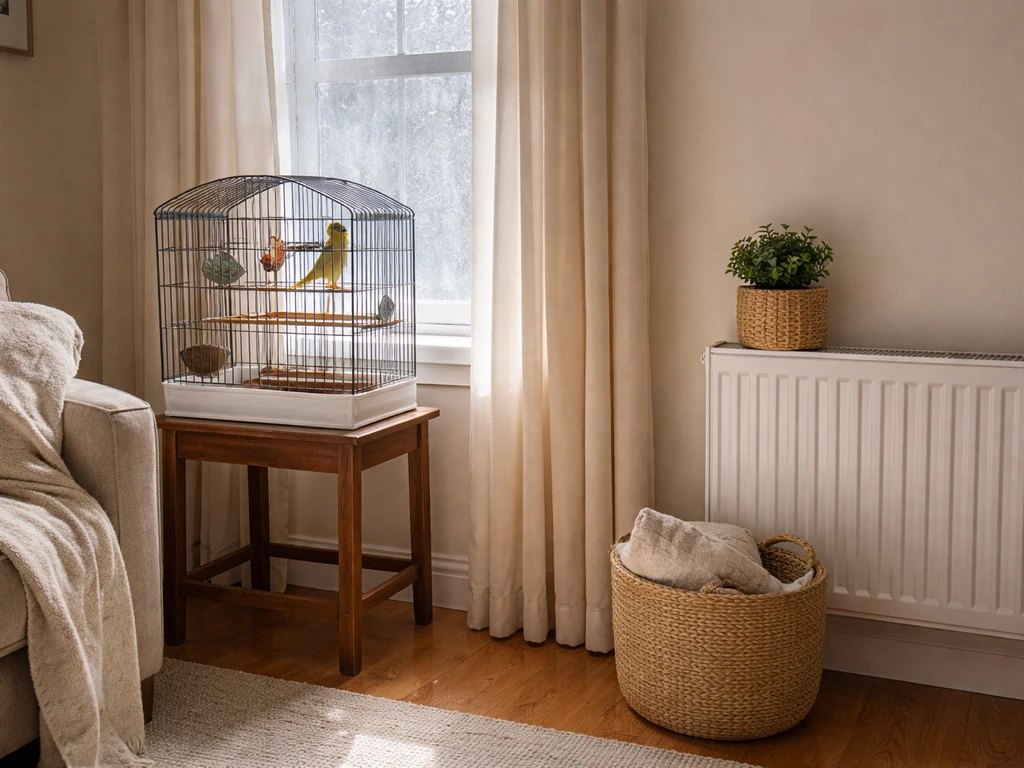
For most common pet birds, including budgies, parakeets, and cockatiels, the comfortable household temperature range is 65 to 80 degrees Fahrenheit. That range lines up with what most people keep their homes at, which is why these species do well indoors. What you want to avoid is not a specific number but sudden swings. A room that drops to 60°F overnight or hits 90°F in summer sun creates stress and can trigger illness.
Seasonal placement adjustments are worth planning ahead for. In winter, check whether the room you've chosen gets cold near exterior walls or windows after dark. A cage that's fine in summer may need to move a few feet inward come January. In summer, check that afternoon sun does not shift to hit the cage directly, since the path of sunlight through windows changes with the season. If a bird is already sick and you're managing supportive care at home, Purdue's veterinary guidelines recommend bumping the environmental temperature to 80 to 95°F for recovery support, which may require a hospital cage setup in a warmer corner of the house.
If you've been considering whether you could move the cage outside seasonally, that comes with its own set of rules around temperature, predator exposure, and weather protection. The same draft and fume principles apply outdoors, compounded by factors like neighborhood pesticide use and direct weather exposure.
Pest and mess control without compromising welfare
Where you place the cage directly affects how easy it is to keep clean and how well you can control mess and pests. Position the cage away from gaps in baseboards, storage areas with cardboard boxes, and exterior walls with known pest entry points. Seed hulls and droppings attract insects, so you want the area around the cage to be easy to sweep or vacuum. A hard floor surface under the cage is significantly easier to manage than carpet. If your preferred room has carpet, use a washable mat or tray under and around the cage.
Make sure you can access all four sides of the cage without moving furniture. You'll need that access for weekly deep cleans, grate scrubbing, and tray removal. If the cage is pushed tightly into a corner for security, that's fine for two sides, but the other two should be fully open to you. Keep a small container of cage-safe cleaning supplies within arm's reach so daily spot-cleaning actually happens. If you are pregnant, take extra care during cleaning, keep the area well ventilated, and avoid being around harsh fumes or sprays while you handle the cage cleaning the cage while pregnant. The harder you make cleaning access, the less often it gets done.
One thing worth noting if you're thinking about painting or refinishing any surface near the cage: fresh paint fumes are just as dangerous as cooking fumes. Plan any wall or furniture painting projects well away from the bird's room, and give fresh paint at least 72 hours to fully off-gas before moving the cage back. Before painting the room, choose a bird-safe paint intended for interior use, and keep fumes sealed off from the cage until the surface is fully cured what paint to use for bird cage.
Cage placement by bird type and setup stage
Placement by species
General placement principles apply across species, but a few differences are worth knowing before you finalize your spot.
| Bird Type | Social Needs | Noise Sensitivity | Placement Notes |
|---|---|---|---|
| Budgies / Parakeets | High, thrive with activity | Moderate | Do well in active living rooms; consistent temperature 65–80°F is key |
| Cockatiels | High, bond closely with owners | Moderate to high | Sensitive to drafts and temperature swings; draft-free spot essential |
| Finches / Canaries | Lower, more independent | Higher | Prefer quieter spots with less direct interaction; still need natural light |
| Parrots (medium/large) | Very high, need stimulation | Lower during day | Need social hub placement by day; a separate quiet sleep cage at night is strongly recommended |
| Baby / fledgling birds | High contact needed | Very high | Perches should be low; warm, calm room essential; avoid any fume exposure |
New cage setup vs relocating an existing bird
When you're setting up a new cage for the first time, you have the luxury of planning the placement from scratch. Follow all the placement rules above, and take extra care to stock the cage with familiar items and toys before introducing the bird. For a new baby bird especially, LafeberVet recommends making the environment feel safe and predictable from day one, which means choosing a calm but social spot and not moving the cage around for the first few weeks.
Relocating an established bird's cage is a different challenge. Birds are creatures of habit and can find moves stressful, even if the new spot is objectively better. Move the cage during the day when the bird is alert, keep the cage contents identical (same perch positions, same toys), and try to relocate to a spot the bird can already see or has been exposed to. Give the bird at least two weeks to settle before judging whether the new placement is working. Watch for stress signals: loss of appetite, feather picking, or unusual silence or screaming are all signs the adjustment is still in progress.
Your placement decision checklist
Use this before you lock in a spot. You should not use a bird cage for rats, since rat housing needs different space, ventilation, and chew-safe materials. If you can check every box, you've found a good location.
- The room is where the family spends most of their time (living room, family room, den)
- The cage is backed against a wall or corner on at least one to two sides
- The spot is nowhere near the kitchen, garage, workshop, or any area with regular fume/smoke exposure
- No heating or AC vent blows directly at the cage
- The cage is not in direct sunlight but the room gets good ambient natural light
- Cage height puts the top of the cage at roughly adult eye level (4 to 6 feet)
- The stand or surface is stable and passes the shake test
- No ceiling fan is within reach of the bird when the cage door is open
- You can access all sides of the cage for cleaning without moving furniture
- There is a hard floor or washable mat under and around the cage
- A quiet, dark sleep location is identified for nighttime (covered cage or separate sleep cage)
- Other pets cannot access or intimidate the bird from the cage's current position
- The room stays between 65 and 80°F consistently and avoids sudden temperature swings
FAQ
Can I put the bird cage in the bathroom if it’s well ventilated?
It’s usually a poor choice because bathroom cleaners, aerosols, and frequent fan use can create harmful fumes or direct airflow. If you must, keep the cage far from the shower area and never during periods when sprays or disinfectants are used, then ensure the room is fully ventilated before returning the bird.
Is it okay to place the cage near a window as long as it’s not in direct sun?
Yes in principle, but avoid drafts and temperature swings from cracked windows or changing shade patterns (morning sun, afternoon glare). If you see light suddenly heating one side of the cage, move it back or adjust blinds so the bird gets steady ambient light.
What should I do if my only quiet area is also the coolest room in the house?
Prioritize stable temperature over perfect quiet. For most common pet birds, aim for a consistent indoor range and keep the cage away from exterior walls that can feel much colder after dark. If the room cools quickly, use a draft-free warm corner or a dedicated sleep setup rather than placing the cage against a cold window wall.
How close can the cage be to where I run the air conditioner or heater?
Don’t place it in the direct path of vents or where airflow jets toward the cage. Even if the bird seems fine initially, prolonged direct airflow can cause stress, dry skin, and irritated respiratory comfort. If possible, reposition so air moves around the bird rather than straight at it.
Are there “safe” household candles, incense, or essential oil diffusers for birds?
In general, avoid them. Scented combustion and vaporized compounds can irritate bird respiratory systems, and the risk is higher for aerosol-like products. If you use any fragranced items, keep the bird in a separate closed, well-ventilated area until odors fully dissipate.
How often should I clean under and around the cage, and what’s the best way to prevent pests?
Do quick spot cleaning daily (seed hulls and droppings), then a deeper clean on a weekly schedule. Use a washable mat or tray if you have carpet, and keep the area clear of cardboard storage nearby because pests often hide in those edges and corners.
My bird seems calmer in a corner, but I worry it’s not getting enough stimulation. How do I balance both?
Use a “security + access” layout: back the cage against a corner or wall for two sided security, but keep the front and at least two sides accessible to you. Also place it in the family activity zone during the day so the bird can observe normal routines without being overwhelmed by constant foot traffic.
Should I cover the cage every night, or can I just turn down the lights?
Covering helps if your living space stays bright or active late, but you should confirm your bird tolerates it. If you cover, use a breathable cover and maintain a consistent timing routine. If you use a lighter-dimming approach, monitor closely for light exposure and night sound sensitivity, since some birds do better in a truly dark, quiet sleep area.
What’s a good way to move a cage without stressing an older bird too much?
Move it gradually if possible, by bringing it to a closer nearby spot over several days, keeping all cage items in the same positions. If the move must be immediate, do it during the bird’s active period, keep lighting consistent with the new location, and give at least two weeks before deciding it’s a bad spot.
How can I tell the cage height I chose is wrong?
If the bird seems overly alarmed when you approach, refuses interaction, or keeps retreating to the lowest part of the cage, height may be too high or too low for its comfort. Recheck that the bird’s eyes are near your line of sight during daily routines (about 4 to 6 feet for many homes) and that the stand is stable and wobble-free.
Can I temporarily place the cage in a different room during home projects like painting or refinishing?
Yes, and plan ahead. Keep the bird out of the project area and wait for fumes to dissipate and for the surface to fully off-gas before moving it back. Also avoid placing the cage in rooms adjacent to fresh paint where odors can travel through HVAC, gaps, or open doors.
Next Article
Can I Put My Bird Cage Outside? Safe Guide by Weather
Learn when it’s safe to put a bird cage outside, how to place it, and how to protect from heat, rain, pests.