The safest way to get a bird into its cage is to set the cage up completely first, close off the room so there's nowhere dangerous to fly, and then guide the bird in using a perch-transfer or walk-in method rather than grabbing or chasing. For most pet birds like budgies, cockatiels, and finches, the whole process takes under five minutes when the environment is controlled and the bird isn't panicked. The steps below cover exactly how to do that, what to do when it goes sideways, and how to confirm the cage is actually safe once the bird is inside.
How to Put a Bird in a Cage Safely Step by Step

Maya Bennett
8 Jun 2026
Set the cage up before the bird goes in
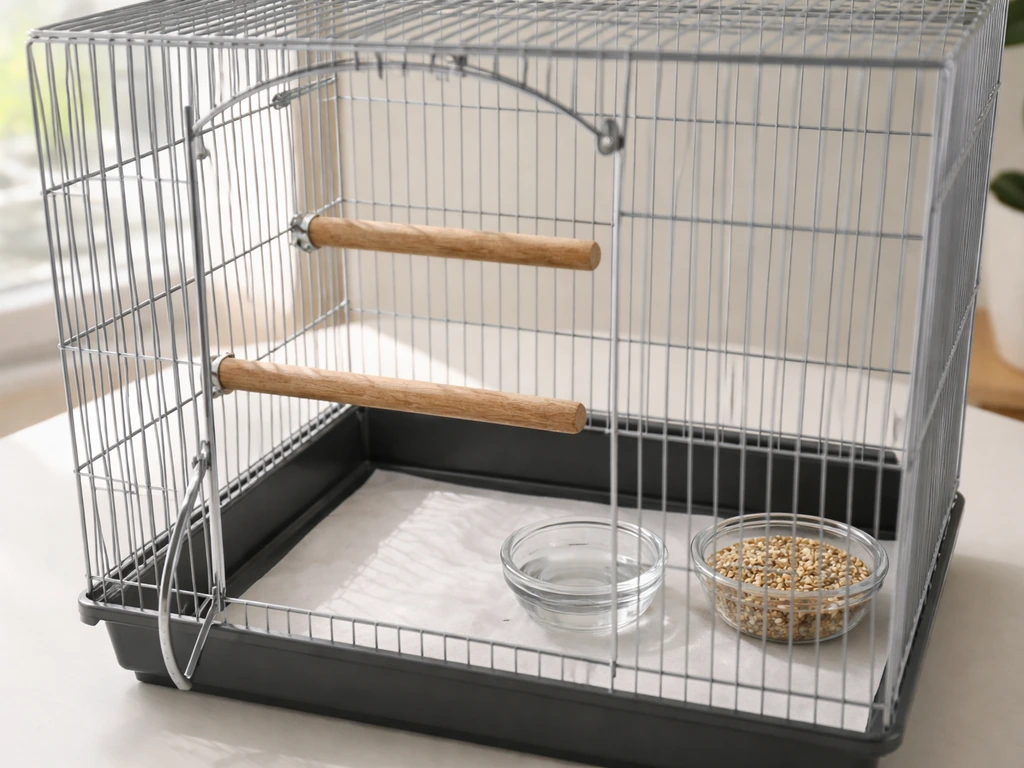
This step gets skipped constantly and it causes most of the problems. If you're trying to position perches or fill water bowls while a bird is already inside, you're creating stress and escape opportunities. Get everything ready first. The Avian Welfare Coalition recommends setting up the receiving cage before transferring birds, including perches, food and water dishes, and other furnishings in place blank" rel="noopener noreferrer">Get everything ready first.
The cage should have at least two perches at different heights, positioned so the bird can reach food and water dishes from a comfortable perch without stretching awkwardly. Critically, blank" rel="noopener noreferrer">don't place food or water bowls directly beneath any perch. Droppings fall straight down, and contaminated food and water are a real health risk. Mount dishes off to the side, near the cage wall, at a height the bird can access from a perch without stepping into the bowl. If you also use a bird bath, place it in the cage in a safe spot so the bird can bathe without slipping or getting water on its food and bedding bird bath in the cage.
Line the cage floor before the bird goes in. Paper towels or cage liner paper work well and make cleaning easier later. Add any toys or enrichment items now, but keep it simple for a new or stressed bird. One or two perches, food, water, and maybe a single foraging toy is plenty to start.
Check every door latch and make sure it closes securely. Run your fingers along the bars and look for any sharp wire ends, gaps wider than the bird's head, or hardware that could catch a toe or a claw. A gap that looks small can absolutely trap a bird's foot, so take this seriously. If you're setting up a new cage, this inspection matters as much as anything else in this guide.
Quick pre-transfer checklist
- Perches installed at two or more heights, none directly above food or water
- Food and water dishes filled and positioned off to the side of perch paths
- Cage floor lined with paper or cage liner
- All door latches checked and closing firmly
- No sharp wire ends, loose hardware, or toe-trap gaps found
- Cage placed in its final position before transfer (not being moved mid-process)
- The room is at a comfortable temperature, away from drafts, air vents, and direct strong sunlight
Make the room safe before you open anything
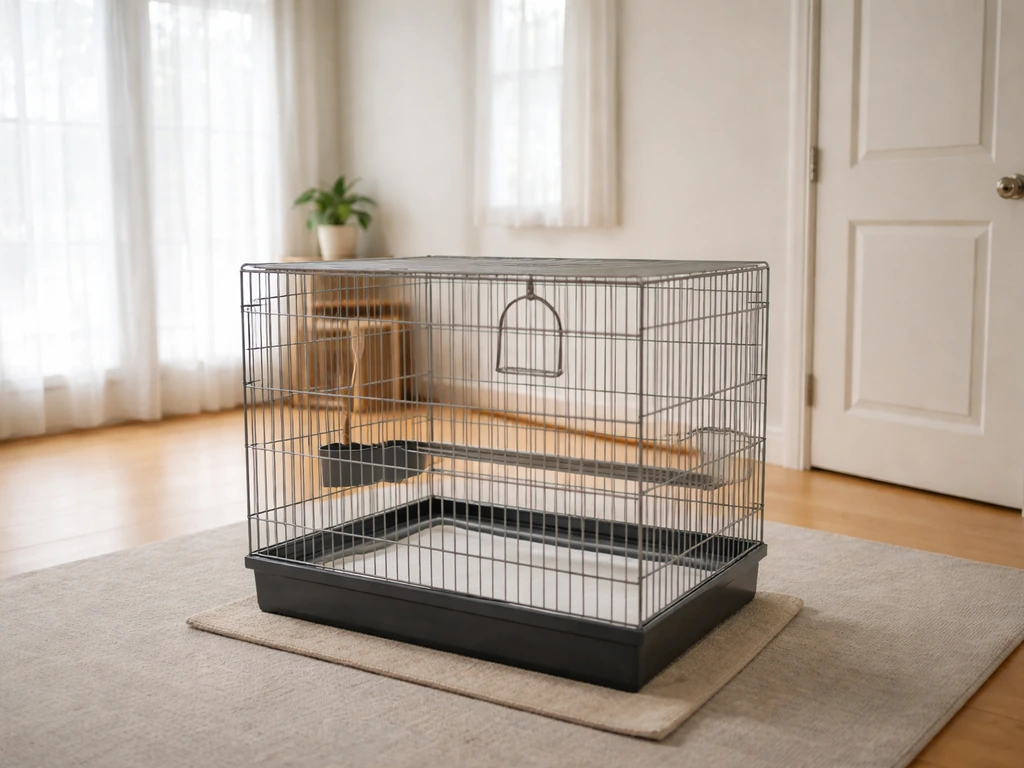
Before you open the carrier, travel box, or any door the bird is currently behind, treat the room like a controlled environment. Close every window and door to the outside. If you have ceiling fans, turn them off. Cover mirrors with a towel or sheet if you can. Pull window blinds most of the way down so the bird doesn't fly straight toward glass. Remove other pets from the room entirely.
Never open a carrier or transport box in an open area before the receiving cage is positioned and ready. If a bird launches out of a carrier in a room with open windows or an unlatched door, you're in immediate recovery mode. Position the carrier or your hands right at the cage entrance before anything opens.
Keep the room quiet. Turn off loud music or TV. If there are other people around, ask them to stand still and stay calm. Birds read the energy in a room very quickly, and a flustered owner trying to grab a bird makes everything harder.
Three ways to get the bird into the cage
The method that works best depends on whether your bird is tame, how comfortable it is with hands, and what situation you're starting from. Here are the three main approaches.
Perch transfer (best for tame, handleable birds)
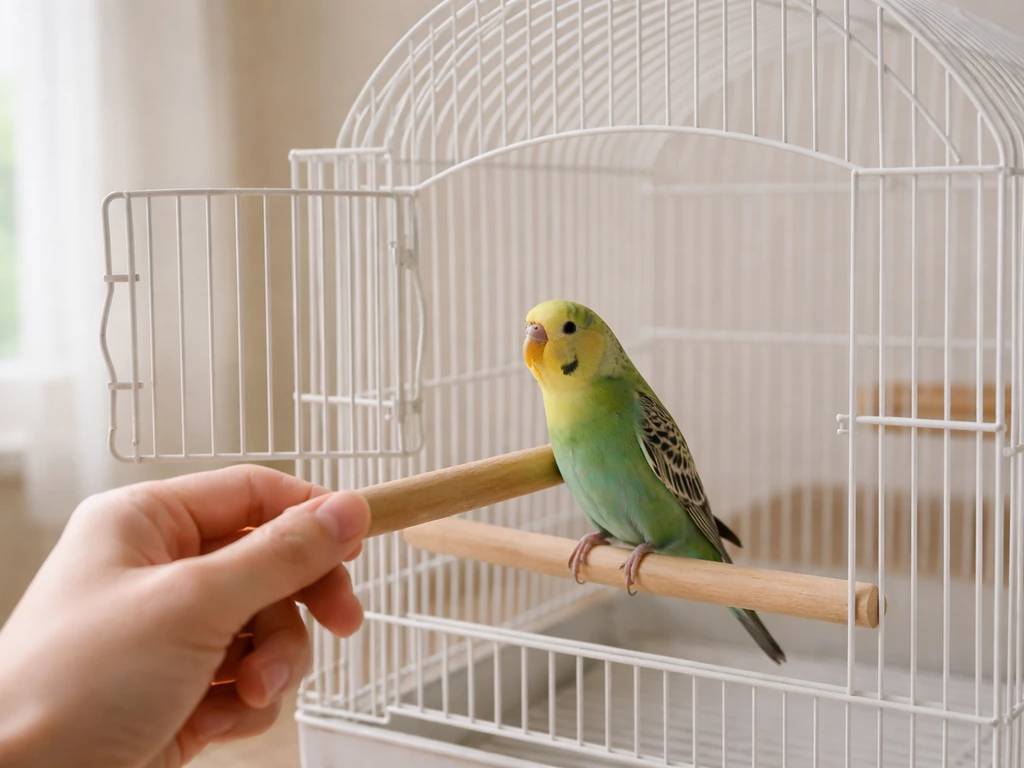
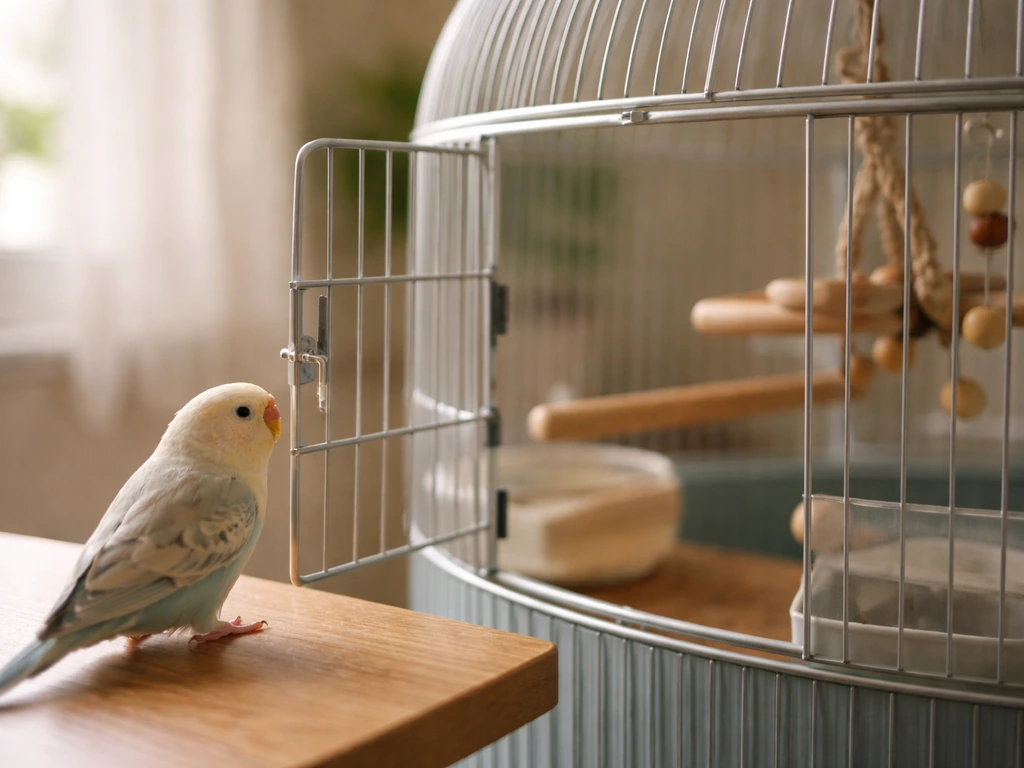
This is the go-to method for budgies, cockatiels, and other birds that step up reliably. Hold your hand or a short wooden dowel perch at about the bird's chest height and say your usual step-up cue. Once the bird is on your hand or the dowel, move slowly and directly to the open cage door. Guide your hand or the perch into the cage doorway so the bird can step off naturally onto an interior perch or the cage door sill. Let it step off on its own rather than shaking it off or nudging it. Then gently withdraw your hand and close the door.
For cockatiels especially, keep the transfer smooth and unhurried. Cockatiels can startle and bolt if they sense sudden movement, so slow and deliberate wins here. Budgies tend to be quicker and more exploratory. If your budgie steps up confidently, it will often hop straight in with curiosity.
Walk-in method (best for carrier transfers or untame birds)
This works well when you're transferring from a travel carrier or transport box, or when the bird isn't handleable. Position the open cage door directly against the open carrier door so the openings line up and there's no gap. The bird will usually walk or fly through on its own once it sees a larger space with perches, food, and natural light. If the bird is hesitant, dim the carrier slightly by covering it with a towel (leaving the door opening uncovered) so the cage becomes the most appealing, brighter environment. Most birds will move toward the light.
For finches and canaries, the walk-in method is almost always the right call. These birds don't enjoy being handled and attempting a hand transfer causes unnecessary stress. Set up the cage, align the openings, and give them a minute to move through on their own.
Training-based introduction (best for new or fearful birds)
If a bird is brand new to your home, very fearful, or has had a bad cage experience, don't force it in. Instead, place the cage in the room with the door open and let the bird explore at its own pace. Put a few treats (millet spray works very well for budgies and cockatiels) inside the cage near the entrance. Let the bird approach, investigate, and eventually go in voluntarily. This can take anywhere from a few minutes to a couple of days, but birds that enter on their own terms are dramatically less stressed and accept the cage much better long-term. If your bird is already inside a room after escaping or being let out, this patience-based approach is your best tool.
Species quick-reference
| Species | Best method | Key tip |
|---|---|---|
| Budgerigar (budgie) | Perch transfer or walk-in | Step-up training makes this effortless; use millet as a lure if needed |
| Cockatiel | Perch transfer (slow and steady) | Avoid sudden moves; go slow through doorways to prevent startling |
| Finch / Canary | Walk-in (carrier-to-cage) | Don't handle if avoidable; align openings and let the bird move itself |
| Parrot (small, e.g., lovebird) | Perch transfer with step-up cue | Towel wrapping is a last resort for untame birds; prioritize training |
| New or fearful bird (any species) | Training-based / voluntary entry | Treats at the door; never force; give time to build confidence |
Help your bird settle once it's inside
The first hour after a bird enters a new cage matters a lot. A bird that's just been moved is processing a lot of new sensory information, and the wrong environment will keep it stressed for days. The right setup helps it feel safe and start exploring on its own. Once the bird is safely settled, you can add enrichment items like cuttlebone for calcium support.
Place the cage at a height where the bird can see the room at roughly eye level with a person sitting down, or slightly above. Once you’ve chosen the right height, it’s also worth reviewing how to hang a bird cage securely so it stays stable and safe. Avoid placing it on the floor (feels vulnerable) or very high on a shelf (isolating and hard to interact with). Position the cage so one side backs against a wall. This gives the bird a sense of security without being completely enclosed.
For the first few hours, keep the environment calm. Don't tap the cage, don't push your face close to the bars, and ask everyone in the household to move quietly around the room. If the bird is very stressed, throwing a light breathable cloth (a cage cover or a thin towel) over two or three sides of the cage can reduce visual stimulation and help it calm down faster. Leave the front uncovered so the bird doesn't feel completely boxed in.
Establish a routine from day one. Feed at the same times, talk quietly near the cage daily, and if the bird is handleable, do brief step-up sessions at consistent times. Birds are creatures of routine and they settle much faster when the pattern of the day becomes predictable. Spray millet hung inside the cage is one of the best bridging tools for newly caged birds. It's highly palatable, gives the bird something to do, and associates the cage with a positive experience from the start.
When the bird refuses, panics, or escapes
This is where most people make things worse by escalating. Here's what to actually do.
Bird refuses to enter the cage
Stop pushing. A bird that keeps dodging away from the cage entrance is telling you the approach isn't working. Back off, close the cage door, and reset. Try placing a millet spray just inside the door so the bird has to cross the threshold to reach it. If the bird is free in the room, dim the room lights slightly and make the cage interior the brightest, most interesting spot (put a small treat inside, open the top if it's a top-opening style). Patience almost always works faster than repeated failed attempts.
Bird panics and flies frantically
Do not chase it. Stand still, stay calm, and let the bird land somewhere. Once it's perched and breathing, approach very slowly and quietly. If it's a handleable bird, offer the step-up cue in a calm, low voice. If it's not handleable, use the room-dimming technique, leaving only the cage interior lit and inviting. Chasing a panicked bird around a room is dangerous. Birds can injure themselves on walls, windows, and furniture, and the experience makes future handling much harder.
Bird won't step up
If your bird used to step up and has stopped, something has changed in its comfort level. Check whether it's in breeding condition (hormonal birds often become cage-territorial and refuse step-up), whether it's been unwell, or whether it's recently had a stressful experience. For birds that have never been step-up trained, this is a training gap, not a cage problem. Start the training process outside of cage-entry time, building step-up as a separate skill with treats as rewards.
Escape risk during transfer
The highest escape risk is the moment a door or carrier opens. Always do transfers with the room secured first. If a bird escapes into the room, your bird-safe room setup is what saves you. Close internal doors, stay calm, and use the voluntary entry method. If a bird escapes to an outdoor space, immediate action and calling a local avian rescue or vet for guidance is the right move. Don't try to catch a bird outdoors by chasing.
What not to do
- Don't grab or chase the bird if it's free-flying in a panic
- Don't force a bird through a cage door it's actively resisting
- Don't use towel restraint on a bird unless there's a genuine safety or health reason (it can cause significant stress and damage trust)
- Don't open the cage carrier or transport box before the room is secured and the cage is positioned
- Don't leave the room unsupervised during a transfer with doors or windows open
- Don't try to finish cage setup while the bird is already inside
Safety and welfare checks after the bird is inside
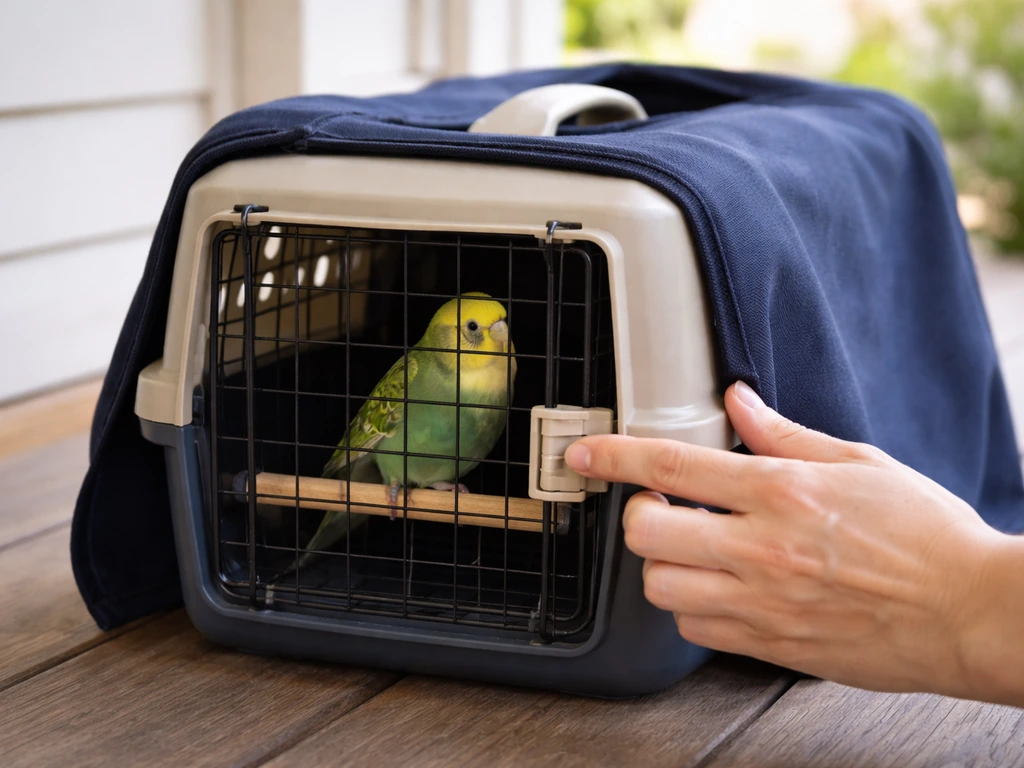
Once the bird is in and the door is latched, take two minutes to run through a quick welfare check. This is the step that catches problems before they become emergencies.
- Confirm the door latch is fully engaged, not just pushed to. Tap it to check it doesn't swing open under light pressure.
- Watch the bird move to its first perch. It should land and grip comfortably. If a perch is too thin or too thick for the species, the bird will struggle to grip or be forced into an unnatural foot position. Budgies and small birds do well with perches around 10-12mm diameter; cockatiels prefer 16-20mm.
- Check that food and water dishes are reachable from a perch. If the bird has to climb down to the floor to eat, the dish placement is wrong.
- Look for any sharp edges, protruding wire ends, or gaps you may have missed before. A bird exploring a new cage will find every potential hazard immediately.
- Observe the bird for the first 10-15 minutes. Normal behavior includes exploring, trying perches, vocalizing softly, and preening after settling. Concerning signs include continuous panting, sitting on the floor, falling off perches, or not moving at all. Those warrant a call to an avian vet.
- Confirm no toys or accessories are hanging in a way that could tangle around a foot or neck. Rope toys with frayed ends, chain links large enough for a head, and poorly sized rings are the most common culprits.
Once you've done those checks and the bird looks settled, step back and give it space. The best thing you can do after a successful cage transfer is let the bird decompress quietly. Resist the urge to keep checking on it every two minutes. A calm environment and a consistent routine from here is what sets the bird up for a healthy, stress-free life in its new space.
FAQ
What if the bird is sitting on the cage door or perches and won’t move when I open the entrance?
Keep the room secured and avoid pushing from the outside. Instead, align the openings and place a visible, preferred treat (for example millet) just inside the doorway area, then pause and let the bird choose to step or walk through. If the bird is already on the door, wait for it to shift position naturally rather than trying to lift or pull it.
Is it okay to remove the cage cover or top-opening section while trying to guide the bird in?
Yes only if it does not create extra gaps or sudden movement. Keep one side of the cage interior consistently visible and calm, and ensure the door you open is the door the bird should enter. Avoid leaving multiple open escape paths (like an open room window) while you adjust the cage.
How do I handle a bird that keeps flying high when I try the walk-in method?
Dim the room lights slightly and make the cage interior the brightest area, but do not turn off all light. If possible, block off the highest escape routes in the room by closing curtains or limiting access to tall furniture. Wait for the bird to tire and land, then guide using the cage doorway alignment rather than chasing.
What should I do if the bird steps into the cage but tries to immediately fly out again?
Leave the environment calm and close the cage door as soon as the bird is inside. If it is still at the doorway, pause for a moment so it can re-orient, then close gently. After closing, do not reopen to “help,” instead focus on reducing visual stimulation and keeping a routine for the next few hours.
Can I use food to lure the bird in if it is not tame?
Often yes, but place the food near the entrance so crossing into the cage is the easiest choice. Use small, high-value treats and avoid scattering food everywhere, because that can encourage scrambling at the bars or stepping into risky areas like below perches. Keep the treat placement consistent across attempts.
How can I tell if a cage setup is truly safe before bringing the bird near it?
Do a second pass with a “foot safety” check, push and pull on each perch to confirm it is stable, and verify there are no loose parts on the floor area. Also confirm the food and water dish mounting does not wobble when lightly touched, since a wobbling bowl can spook the bird and cause injuries.
What if the bird’s wings or tail get caught on bars during a transfer?
Stop the transfer immediately, keep the room calm, and close the opening so you can assess what snagged. Check for sharp wire ends, bent hardware, or perch placement that leaves awkward contact points. Do not force the bird free while it is struggling, instead wait for it to relax and then gently reposition it.
Is there an age or species situation where I should slow down more than usual?
Yes. Very young birds, birds that have been clipped in the past, and species that startle easily (often including some cockatiel individuals) may need extra time and a slower approach. If the bird shows repeated bolting, switch to voluntary entry with the cage door open and let it explore before attempting another transfer.
What’s the safest way to clean up after a successful “how to put bird in cage” attempt?
After the door is latched, do your quick welfare check and then avoid frequent handling. If you need to change liners or remove droppings, wait until the bird is calm enough to ignore the activity, typically after settling time, and do it in a way that does not require opening the main cage door for long periods.
What if I accidentally chased the bird and it got injured or heavily panicked?
If there is any sign of trauma, open-mouth breathing, uncontrolled bleeding, or repeated falling, contact an avian vet or rescue right away for guidance. In the meantime, keep the bird in a secured, quiet, low-stimulation environment with consistent light and do not attempt step-up until it is stable and calm.
Next Articles
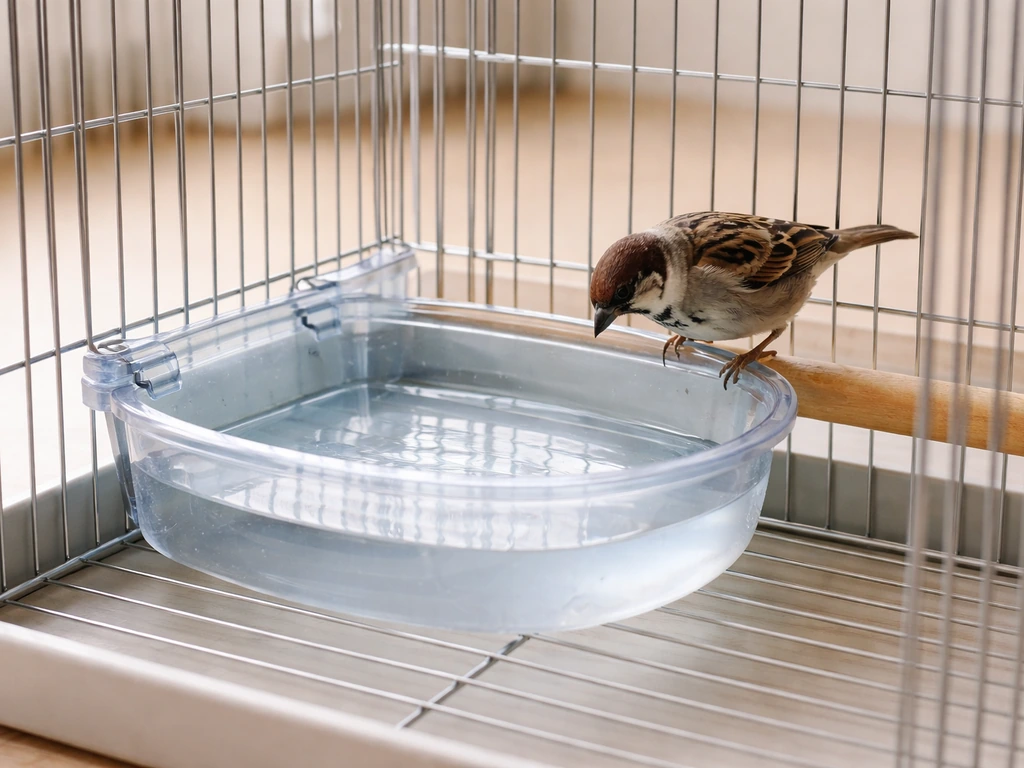
How to Put a Bird Bath in a Cage Safely and Cleanly
Step-by-step guide to install a bird bath inside a cage safely, securely, and mess-free with cleaning and troubleshootin
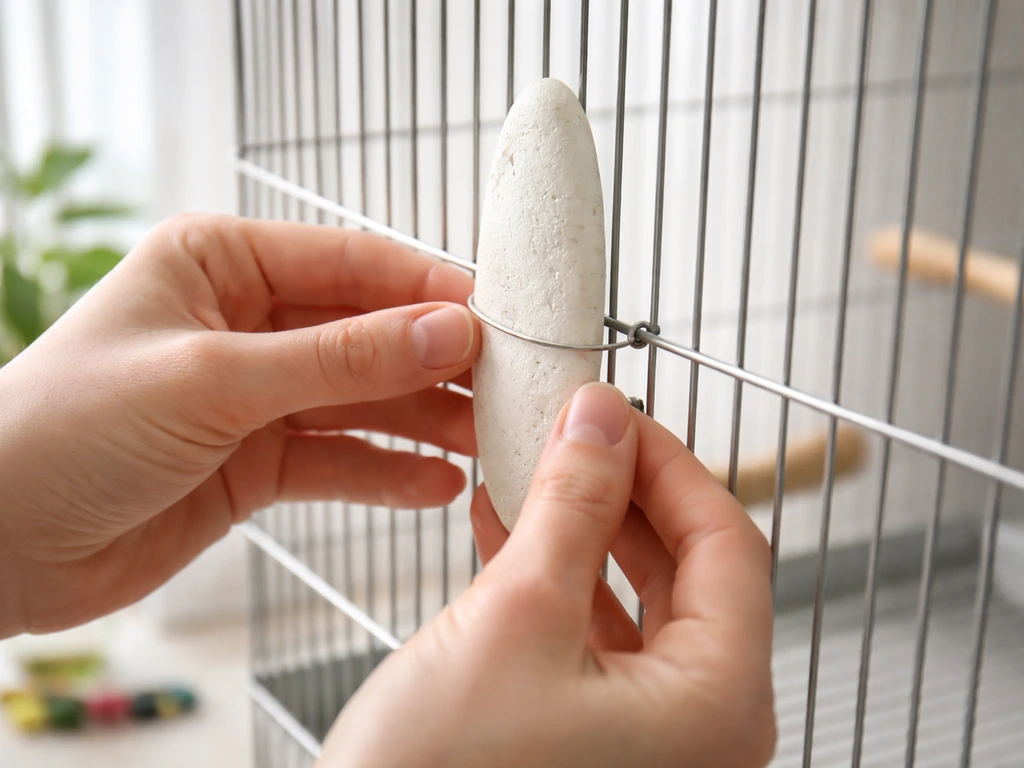
How to Put Cuttlebone in a Bird Cage Safely
Step-by-step safe methods to attach cuttlebone in a bird cage, position it for access, secure it, and clean or replace i
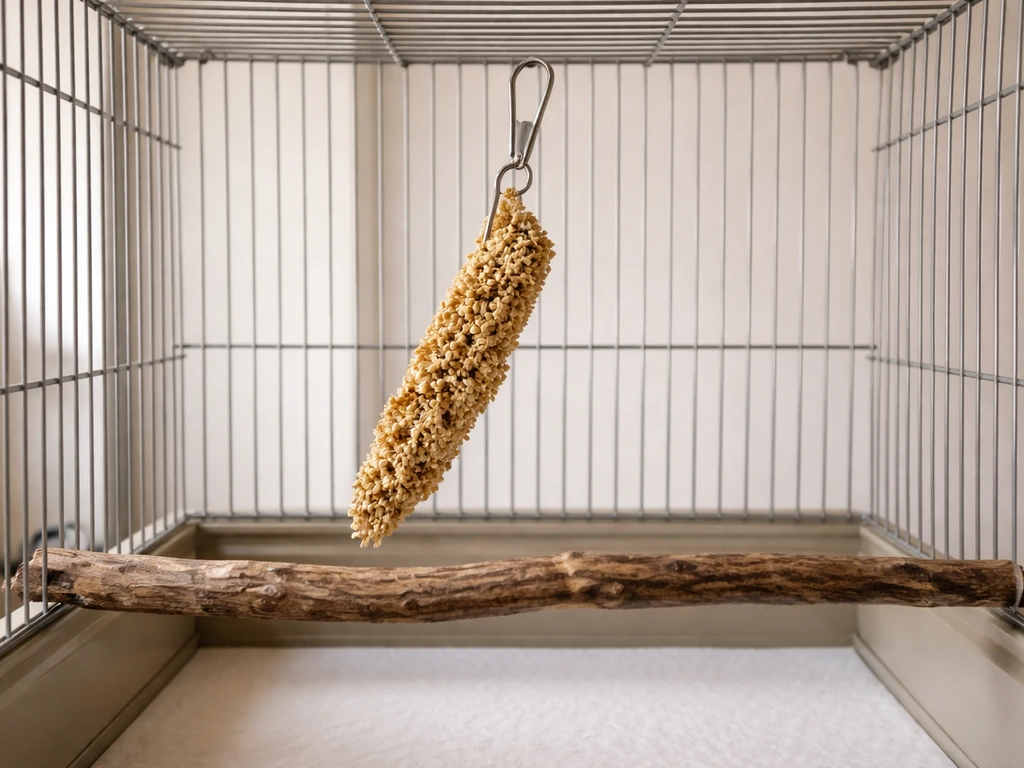
How to Hang Spray Millet in a Bird Cage Safely
Step-by-step guide to hang spray millet safely in a bird cage, placement, secure mounting, and mess control