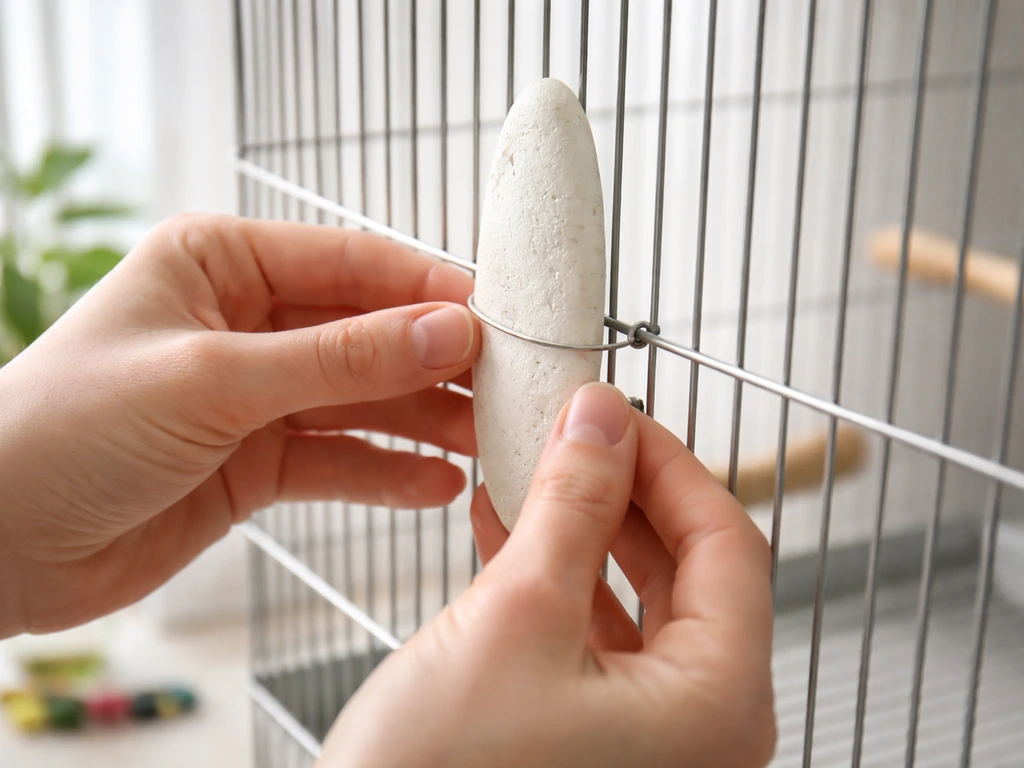
Adding a bird bath inside a cage comes down to three things: picking a bath that physically fits and attaches securely, placing it where splashing won't soak food or bedding, and committing to daily cleaning so the water stays safe. To keep cuttlebone safe to use in the cage, remove the old piece regularly and ensure it is placed where your bird can reach it without contaminating bath water how to put cuttlebone in bird cage. Most clip-on and screw-mount baths take less than five minutes to install with no tools at all, and a bottom-tray style takes even less. Get those basics right and your bird has a safe, stress-free place to bathe year-round.
How to Put a Bird Bath in a Cage Safely and Cleanly

Maya Bennett
21 May 2026
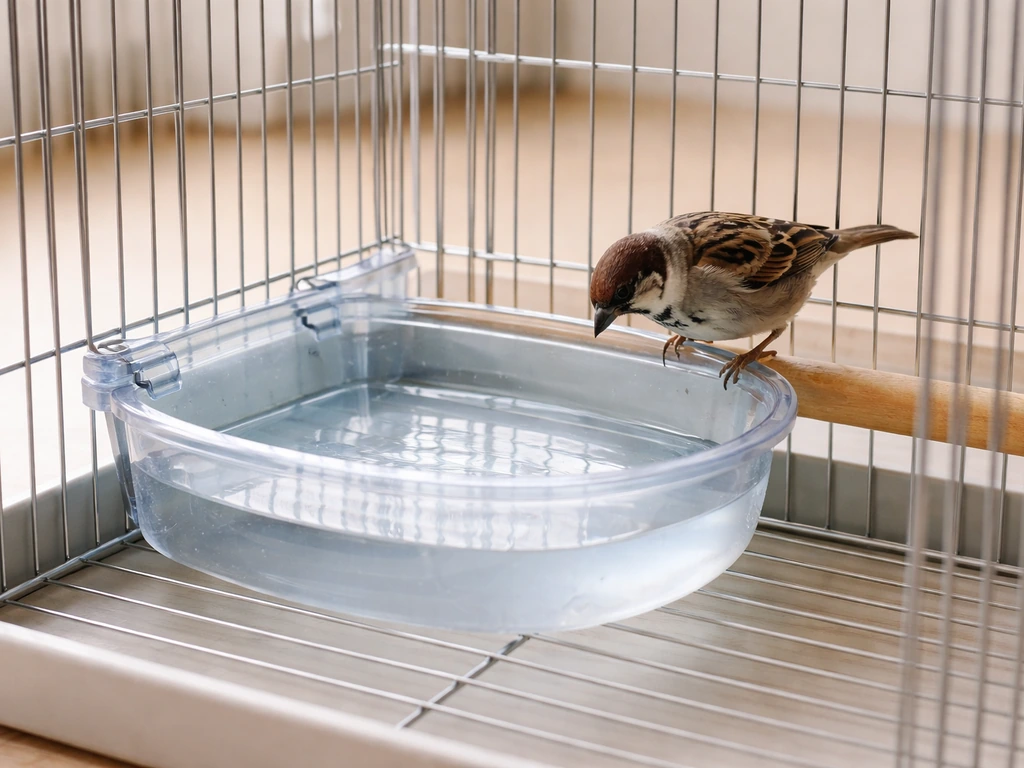
Pick the right bird bath for your cage
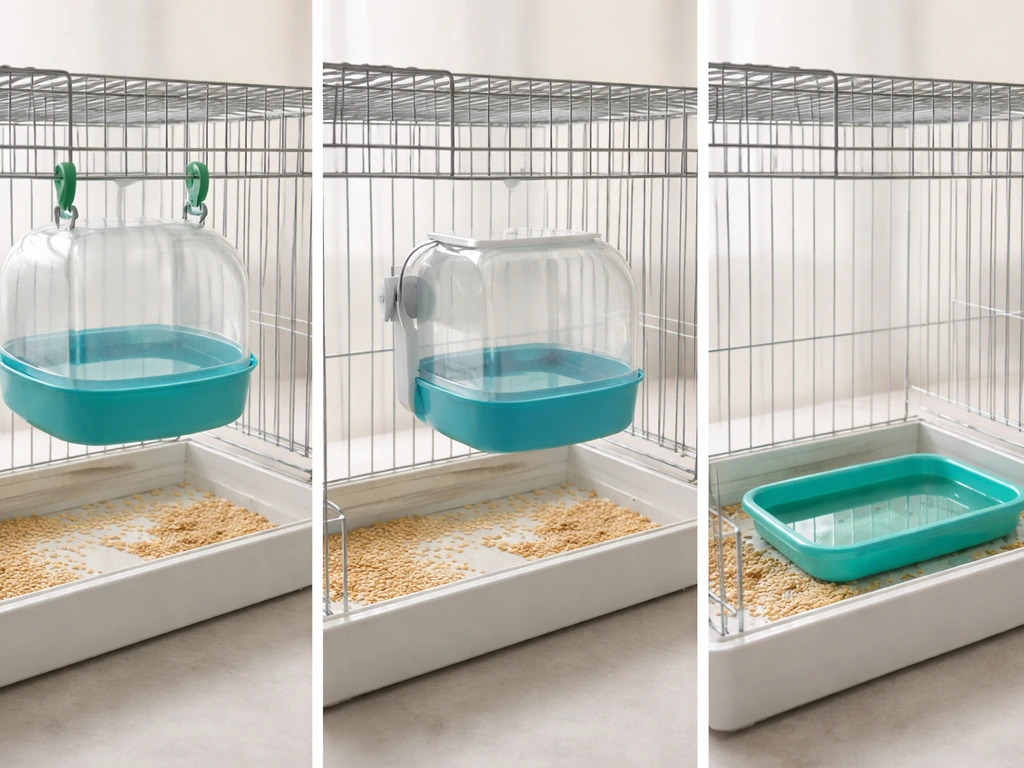
There are three main styles you'll find for inside-the-cage use, and which one works best depends on your cage type, your bird's size, and how much splash you can tolerate.
| Style | How it attaches | Best for | Mess level |
|---|---|---|---|
| Clip-on / hanging bath | Universal hanging clips on cage bars (e.g., Penn-Plax 5.8-in) | Parakeets, canaries, finches, small conures | Medium — splash stays contained inside the enclosure |
| Screw-mount enclosure bath | Top and bottom screw attachment to cage door frame (e.g., JW Pet InSight) | Parakeets, cockatiels, similar mid-size birds | Low to medium — enclosed walls reduce splash escape |
| Bottom tray / floor bath | Sits on cage floor; no hardware needed | Cockatiels, parakeets, shy birds new to baths | High — water spreads to bedding quickly if left in too long |
Size matters more than people expect. The bath needs to be big enough for your bird to step in and turn around, but not so deep that it becomes a hazard. For small birds like budgies and cockatiels, aim for about an inch of water depth maximum. The bath also has to be heavy enough that it won't tip when the bird hops in. If you're shopping for a parakeet or cockatiel, a medium-sized clip-on or the JW-style screw-mount works well. For larger parrots, look for a wider, heavier basin or a coop-cup style with a sturdy clamp and wingnut bracket.
Safe materials and what to avoid
This is where a lot of cheap baths fail. Birds are sensitive to metal toxicity, and a bath that rusts or flakes is a real health risk, not just an aesthetic problem.
- Stainless steel: the safest metal option. Look for food-grade or bird-safe stainless. Clamp-style coop cups use two stainless brackets and a wingnut, which is a solid, rust-resistant setup.
- BPA-free plastic: fine for baths, especially enclosed styles. Check that there are no sharp seams or mold lines on the edges where a bird's feet or beak could snag.
- Ceramic: heavy and stable, good for floor-placement baths, but confirm any glaze is lead-free.
- Avoid galvanized metal parts that contact water or your bird directly. Galvanized bolts and nickel-plated holders used as structural hardware away from the water line are lower risk, but any zinc or lead-containing metal touching the water or the bird is dangerous. Petco's parakeet care guidelines specifically call out lead, zinc, and lead-based paints as causes of serious medical issues if ingested.
- Avoid baths with small detachable parts, thin wire hangers that could snap under weight, or sharp stamped-metal edges that haven't been deburred.
- Avoid baths with fabric, rope trim, or porous wooden components. These hold moisture and grow mold fast.
When in doubt, run your fingers along every edge before you put it in the cage. If it snags your skin, it'll snag a feather or a toe.
Step-by-step installation inside the cage
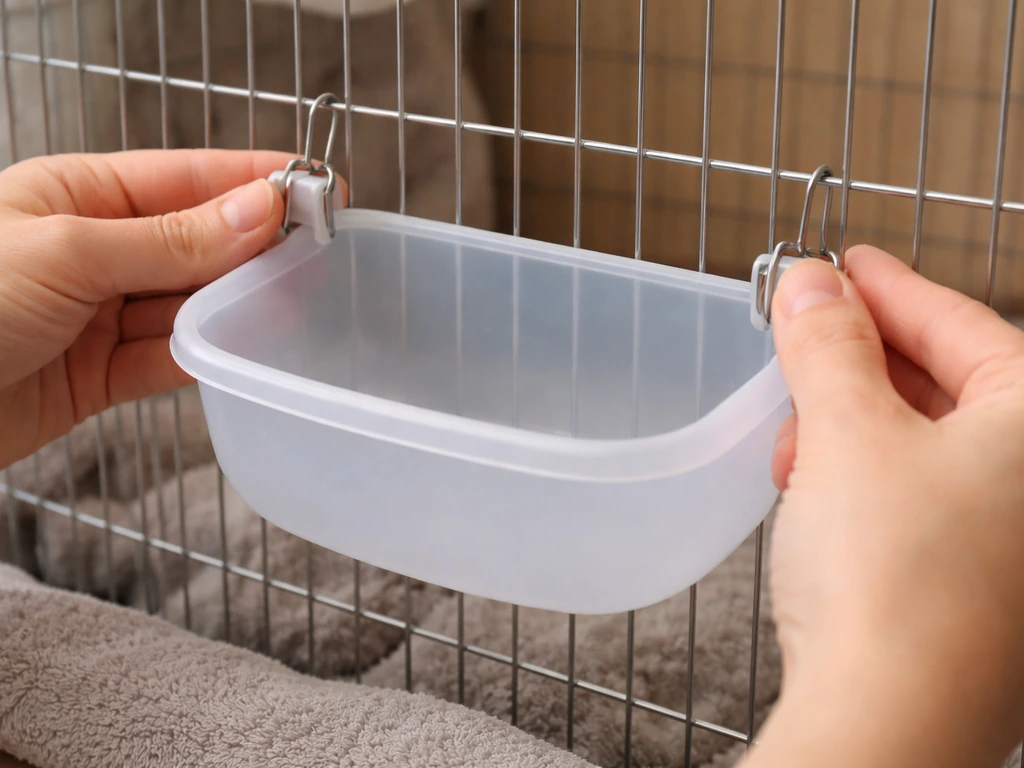
Before you start, have a clean towel handy and decide where in the cage the bath will live. If you're wondering how to put a bird in a cage safely, start by keeping the door quiet and using the cage and perch setup you prepared. You want it away from food cups, seed dishes, and perches directly above it.
Once you have the bath positioned correctly, you can use the same general approach to figure out how to put a bird feeder in cage safely and securely away from food cups, seed dishes. If you're also using spray millet, make sure it is hung securely within easy reach so the bird can peck safely without knocking it around how to hang spray millet in bird cage.
Once the bath location is dialed in, you can follow the same planning steps to figure out how to hang a bird cage safely and securely. Avoid placing it under any electrical components if you're running a cage lamp or heater. Also keep it off the floor if you're using a floor-cage liner that soaks up moisture quickly.
For a clip-on or hanging bath
- Remove any existing perch or toy from the area where the bath will hang so you have clear access to the bars.
- Open the hanging clips wide enough to slide over a horizontal bar. Most universal clips fit bar spacing of roughly 0.5 to 1 inch.
- Hook the top clip first, then pull the bottom of the bath toward the bar and clip the lower hook. Give it a firm tug downward to confirm it won't pull free.
- Check that the bath sits level. If it's tilted, water will pool to one side and spill faster.
- Fill with fresh water to about one inch deep for small birds. Do not fill to the brim.
- Watch your bird's first approach from a distance. Don't force interaction.
For a screw-mount enclosure bath (JW-style)
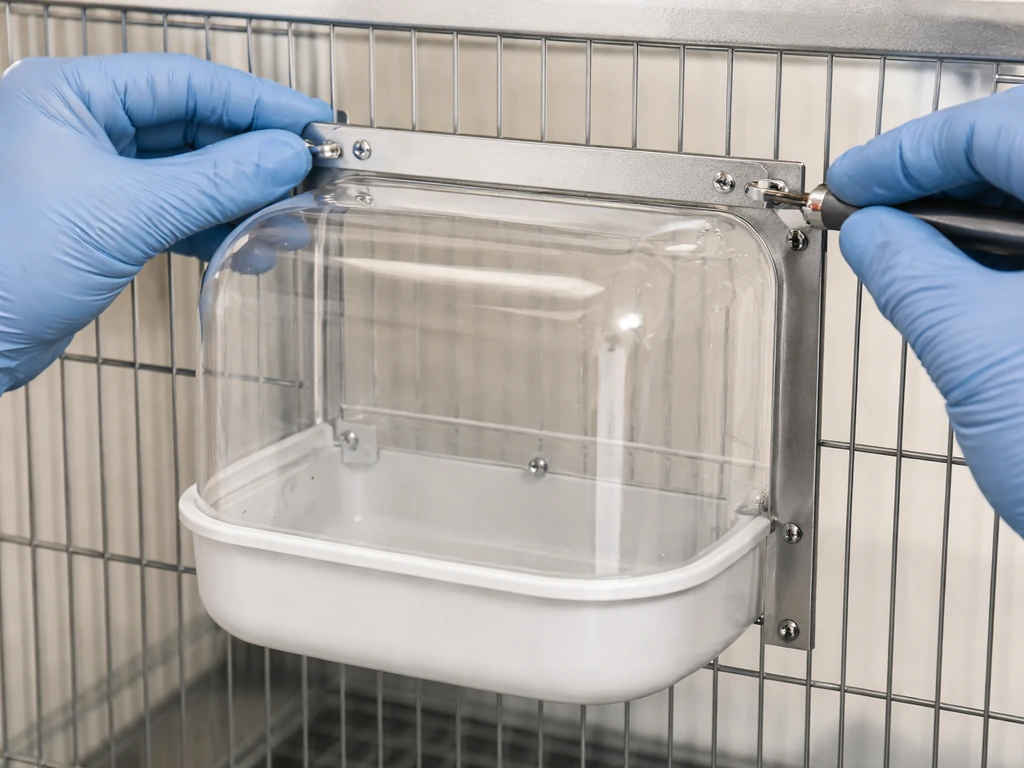
- These attach to the cage door opening, so open the cage door fully before you start.
- Align the enclosure so the top screw bracket lines up with the top of the door frame and the bottom bracket sits on the floor of the cage or door threshold.
- Hand-tighten the top screw until snug, then do the same for the bottom. Do not overtighten plastic threads.
- Close the cage door gently to confirm the bath enclosure doesn't interfere with the door latch.
- Fill with fresh water and close the bath's own door or opening if it has one.
- These baths are designed to be easy to remove for cleaning. Practice unclipping it a few times so it becomes routine.
For a floor tray or bottom-placement bath
- Place the bath in a corner of the cage floor away from food and water dishes.
- If your cage has a grate over the floor, you may need to remove that section or find a bath that sits stably on the grate bars without tipping.
- Add one inch of lukewarm water, never cold straight from the tap in winter.
- Remove the tray after bath time (15 to 20 minutes is plenty) rather than leaving it in all day. This is the standard approach recommended for tray-style baths and keeps the cage floor from staying wet.
DIY and custom mount options
If you want a more permanent setup, a stainless coop cup with a clamp-and-wingnut bracket drilled or bolted to a side bar is a reliable approach used in larger parrot cages. Chipper Parrots describes its stainless-steel coop cup with clamp and wingnut bracket as attaching to the cage side using two brackets and a wingnut, with [nickel-plated metal holder and clamp plus a galvanized bolt](https://www. chipperparrots. com.
au/products/stainless-steel-coop-cup-with-clamp). The wingnut lets you remove the cup for cleaning in seconds. Make sure the bolt you use is stainless or food-safe coated, not bare galvanized steel in contact with water. For a removable tray under a clip-on bath, cut a piece of acrylic sheet to sit on the nearest cage shelf or grate below the bath.
This catches drips and is easy to wipe down.
Prevent mess and wet stress
Splashing is normal and healthy bird behavior. The goal isn't to stop it, it's to make sure the splash lands somewhere you can deal with easily.
- Position the bath on the lower half of the cage, away from any perch directly above it. Wet perches become slippery and cold, which stresses birds.
- Keep seed cups and food dishes at least one cage section (ideally 12 or more inches) away from the bath. Wet seed spoils fast and can develop mold within hours.
- If your cage has a bottom tray with substrate or liner, slide a piece of plastic sheeting or a small washable mat under and around a floor bath to protect the liner.
- For clip-on baths, the enclosed walls do a lot of the splash-containment work. Still, check what's directly outside the cage at that spot. If the bath hangs near a wall, wet drywall or flooring becomes a problem. Consider placing a small mat outside the cage on that side.
- Avoid placing the bath near the cage's sleeping corner or nesting area. Coming out of a bath and then sitting in a drafty, wet spot near a wall opening is how birds get chilled.
- Never place the bath directly under a heat lamp or on the side of the cage that gets direct air conditioning flow. Both mess with the bird's ability to self-regulate temperature after a bath.
Cleaning and drying routine
Daily cleaning is not optional. Feathers, droppings, and food debris get into the water fast, and standing dirty water in a warm cage grows bacteria and mold quickly. Petco's daily cage care guidelines state that bird baths need to be cleaned and refilled with fresh water every day.
- Remove the bath from the cage each day. Most clip-on and screw-mount styles are designed specifically to make this easy.
- Dump the water and rinse the bath with hot water first to remove loose debris.
- Wash with hot soapy water using a dish brush dedicated to bird equipment. A regular dish soap (fragrance-free is better) works for daily cleaning.
- Rinse thoroughly until no soap film remains. Soap residue is harmful to birds. VCA Animal Hospitals and Petco both emphasize that chemical residues must be completely rinsed before the bird is re-exposed.
- For a deeper weekly clean, use a 3% bleach solution (roughly one tablespoon of plain unscented bleach per cup of water) as a disinfectant. Soak for a few minutes, then rinse extremely well. Allow to air dry completely before refilling.
- Never use aerosol sprays, heavily scented cleaners, or products with phenols near the cage. Birds have sensitive respiratory tracts and can be harmed by fumes even when they're not in direct contact with the cleaner.
- Let the bath air dry fully if you're not refilling it immediately. A damp bath sitting on a counter is a mold risk too.
For mold prevention specifically, the combination of daily water changes, full soap-and-rinse cleaning, and weekly disinfection is enough for most setups. If you're seeing pink or black film building up faster than that, your cage is probably in a humid spot and you may need to clean twice daily or switch to a smaller bath that you empty after each use.
Bathing schedule and seasonal adjustments
There's no single rule that works for every bird, but here's a practical framework. Budgies are often happy to bathe a few times a week on their own if a bowl is available, and misting works well for birds that won't step into standing water. For cockatiels, regular bath access is considered part of standard daily husbandry. A minimum of once a week is a reasonable baseline for most captive birds, with more frequent opportunities offered during warmer months when birds naturally bathe more often.
- Summer and warm weather: offer bath access daily or every other day. Birds in warm rooms or climates will use it more frequently and appreciate the cooling effect.
- Winter and cold weather: limit bath time to the warmer part of the day (late morning through early afternoon) and make sure the room is warm enough that the bird can dry off without getting chilled. Water should be room temperature, not cold.
- Avoid offering a bath right before lights out. A wet bird sitting in a cool, dark cage overnight is a recipe for a chill.
- Avoid placing the cage near drafts, open windows, or air vents regardless of season. This matters even more after a bath when feathers are wet.
- During molting, some birds bathe more frequently to soothe new pin feathers. Let them, just keep the water shallow and clean.
- In very dry winter air (common with forced-air heating), offering a bath or misting two to three times per week helps maintain feather condition and skin health.
Troubleshooting and "is this working?" signs
The bath keeps tipping or slipping
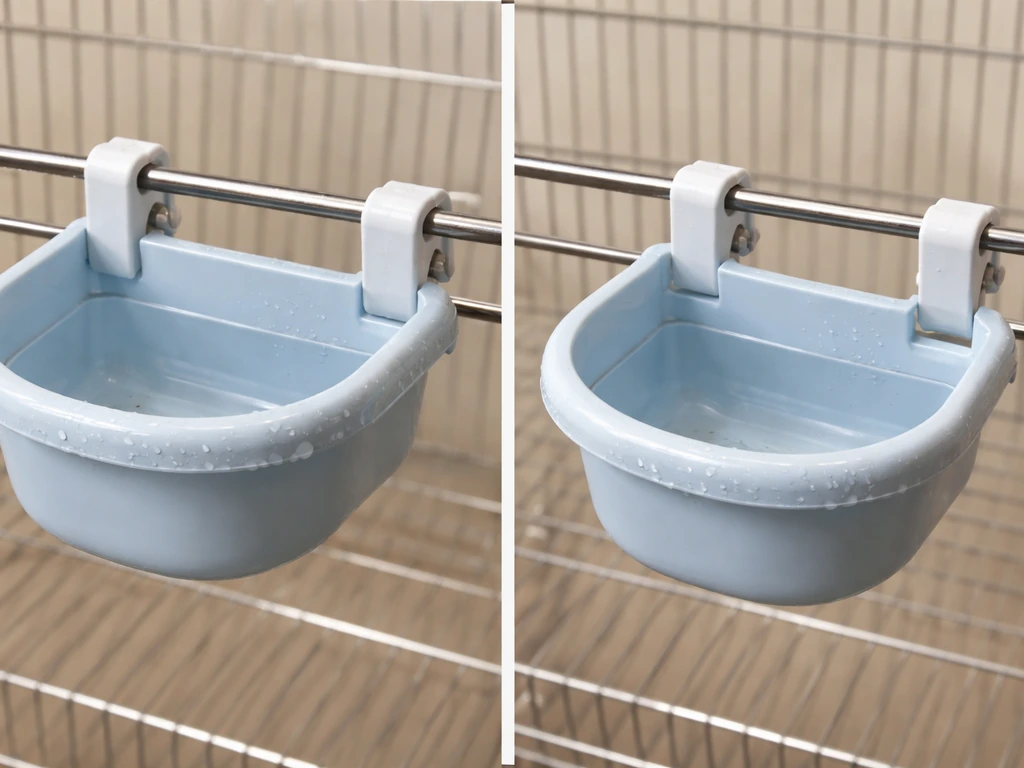
If a clip-on bath is slipping down the bars, check that the clips are sized for your bar spacing. Universal clips from brands like Penn-Plax are designed not to slip, but if your bars are unusually thin or widely spaced, the clip may not grip properly. Try repositioning to a horizontal bar rather than a vertical one, or switch to a screw-mount style. For floor baths, choose a heavier ceramic or thick plastic option that a bird's weight won't shift.
Your bird refuses to use it
Give it at least a week before you decide it's not working. Birds are creatures of habit and new objects inside the cage can take time to accept. Try moving the bath to a different location. Some birds prefer it in the middle of the cage rather than against a wall. You can also try placing a few drops of water on a perch near the bath, or gently misting your bird and then placing them near the bath so they associate the feeling with the location. If a bird consistently avoids or removes itself from the bathing area, respect that. Some birds simply prefer misting over immersion.
Stress and chill signals after bathing
Watch your bird for 20 to 30 minutes after a bath. Fluffed feathers that persist for more than a few minutes after the bird has started to dry are a sign it's too cold. Open-mouthed breathing at rest is a serious warning sign and warrants a vet call. A healthy post-bath bird will shake, preen, and settle into normal activity within 15 to 30 minutes. If you're seeing fluffing frequently after baths, raise the room temperature a few degrees or move the cage away from any draft source before offering the bath again.
Mess getting out of hand
If water is consistently soaking the cage floor or spraying outside the cage, the bath is either too large for the bird's size or positioned in a spot where the bird has too much room to thrash around. Try a smaller, more enclosed style like a screw-mount enclosure bath. You can also limit bath time to a supervised 15-minute window and then remove the bath, which is standard practice for floor-tray setups anyway.
Signs of mites or pests
A damp cage environment that isn't cleaned consistently can attract bird mites. Bird mites are avian parasites that can be introduced through pet birds and are persistent: adult mites can survive up to three weeks without a host. If you notice your bird scratching excessively, see tiny moving specks near the bath or on cage surfaces, or observe your bird acting unusually restless at night, inspect the cage thoroughly and consult a vet. The fix starts with a strict daily cleaning routine, and that means the bath gets cleaned every single day without exception.
Green flags: signs the setup is working
- Your bird approaches the bath voluntarily and steps in without hesitation after a short adjustment period.
- After bathing, the bird preens actively and returns to normal foraging and vocalization within 30 minutes.
- Feathers look healthy and clean between baths, with good sheen and no clumping.
- Water in the bath stays relatively clear between daily changes (some feathers and a little debris is normal, but no heavy cloudiness or smell).
- The cage floor and food area stay dry, and there's no mold or mildew smell around the bath mounting point.
FAQ
How deep should the water be when I put a bird bath in a cage?
No, you generally should not use a bath with water deeper than the bird can easily stand in. For small birds, the practical limit is about an inch of water depth, and for any bird you want enough room to step in and out without slipping. If your bird ends up sitting in the water or tail-dipping, switch to a shallower bath or a smaller, enclosed style.
Where exactly should I place the bath inside the cage to prevent contamination?
If the cage uses bars, place the bath so the bird cannot reach food bowls from the bathing area. A good rule is to leave at least a few inches of clear space from seed cups and to position the bath below a perch line that would drop droppings into it. If your bird perches directly above the bath, relocate either the bath or the perch, since that contamination will happen even with daily water changes.
What should I do if my clip-on bird bath keeps slipping or wobbling?
Choose your mounting based on bar thickness and movement. If a clip-on bath slips or rattles, first try a different bar position (horizontal bar instead of vertical) and confirm the clips match your bar spacing. If it still slides, a screw-mount or coop-cup style with a clamp and wingnut bracket is more stable, especially for confident bathers.
Can I use soap or disinfectant to clean the bird bath, and how should I rinse it?
Yes, but do it safely: use food-grade or aquarium-safe cleaners, and rinse until there is no residue or odor. Avoid strong disinfectant scents or anything that can leave a film, because birds preen and can ingest residues after bathing. After soaking and rinsing, dry the bath fully before refilling with fresh water.
What if my bird bath sprays water all over the floor or outside the cage?
If water is spraying outside the cage consistently, the usual fix is resizing and positioning. Use a smaller bath that reduces splashing range, mount it so the bird is not able to thrash with lots of open space, and consider limiting bath time (for example, supervised 15-minute sessions) for floor-tray setups. If it is still messy, switch to a screw-mount enclosure style.
My bird seems scared of the bath. How can I help it accept the bird bath in its cage?
Start with shorter sessions if your bird is hesitant, and keep the water just slightly filled. Some birds accept bathing only when the bath is placed in a familiar, calmer spot (often toward the middle of the cage). You can also mist lightly first, then place your bird near the bath to connect the location with the experience, but do not force immersion.
How do I tell if my bird is too cold or having breathing trouble after using the bath?
If your bird flaps and then refuses to settle after bathing, check temperature and drafts first. Fluffed feathers that linger can indicate chill, so raise the room temperature a few degrees and move the cage away from air vents or open windows. If you see open-mouth breathing at rest after baths, treat it as urgent and contact an avian vet.
Why does mold or film build up so fast on the bath, and what can I do?
To prevent mold and residue buildup, use daily changes plus a deeper weekly clean, and inspect any “problem” signs like pink or black film appearing quickly. When film forms faster than expected, the cage may be in a humid spot, so you may need to clean twice daily or switch to a smaller bath that you empty after each use. Also dry the bath and the mounting area between cleanings when possible.
What materials should I avoid when choosing how to put a bird bath in a cage safely?
Avoid bare galvanized steel that can corrode in water. For permanent setups, use stainless or a food-safe coated surface for anything in contact with water, including bolts and brackets. Also, inspect edges and seams regularly, since rust or flaking can develop even if the bath looks fine at first glance.
Is it okay to place a bird bath near a heater or cage lamp?
You can, but it depends on your cage design and your hygiene tolerance. A bath under a lamp or heater can warm the cage excessively or speed bacterial growth if cleaning slips, so avoid placing it directly under electrical components. If you use a lamp for lighting, position the bath to keep it away from heat sources and drafts, then maintain strict daily cleaning.
How does adding a bird bath affect the risk of bird mites, and how should I respond?
If mites are a concern, the bath becomes a high-focus cleaning item. Since mites can persist without a host and reinfest quickly, do not rely on spot cleaning. Follow strict daily cleaning including the bath, remove any wet residue promptly, and inspect nearby surfaces for tiny moving specks if your bird is scratching more than usual. If symptoms persist, involve a vet.
Next Article
How to Put Cuttlebone in a Bird Cage Safely
Step-by-step safe methods to attach cuttlebone in a bird cage, position it for access, secure it, and clean or replace i