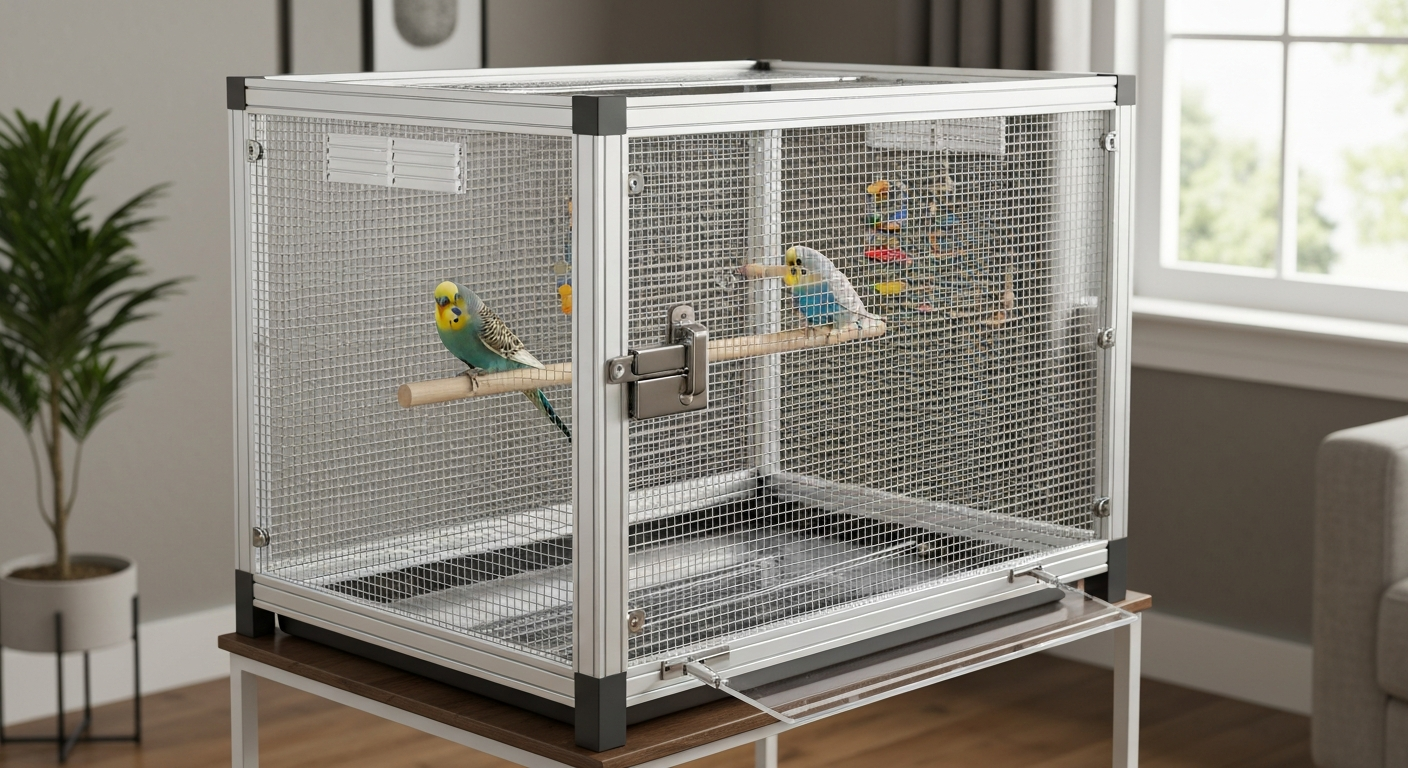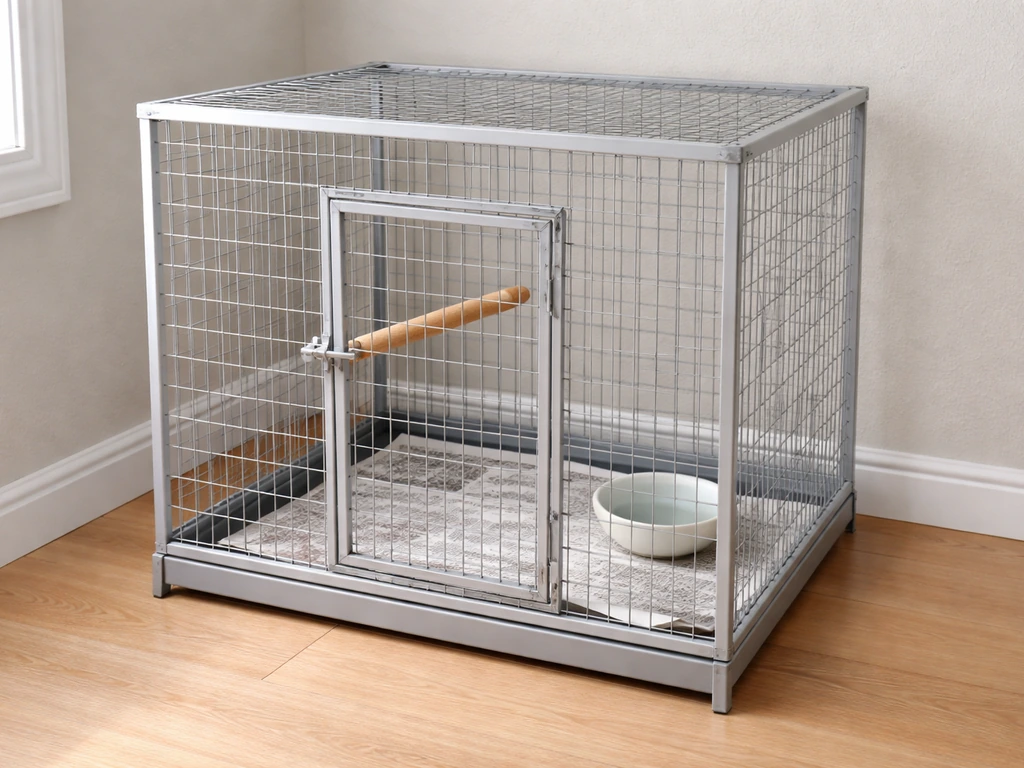
Most pet bird cages open with either a swing/hinge door that has a spring latch or clip, or a sliding panel that rides in a track. To open either type safely: close off the room so there's no escape route, move slowly and talk quietly so your bird stays calm, then work the latch mechanism (lift, slide, or rotate it depending on the style) before pulling the door open. That's the core of it. The rest of this guide helps you figure out exactly which mechanism you have and what to do when it's stuck, stiff, or just won't cooperate. If your bird cage door is still hard to open after basic checks, use this guide on how to fix bird cage latch and track problems safely stuck, stiff, or just won't cooperate.
How to Open a Bird Cage Safely Step by Step

Maya Bennett
18 May 2026
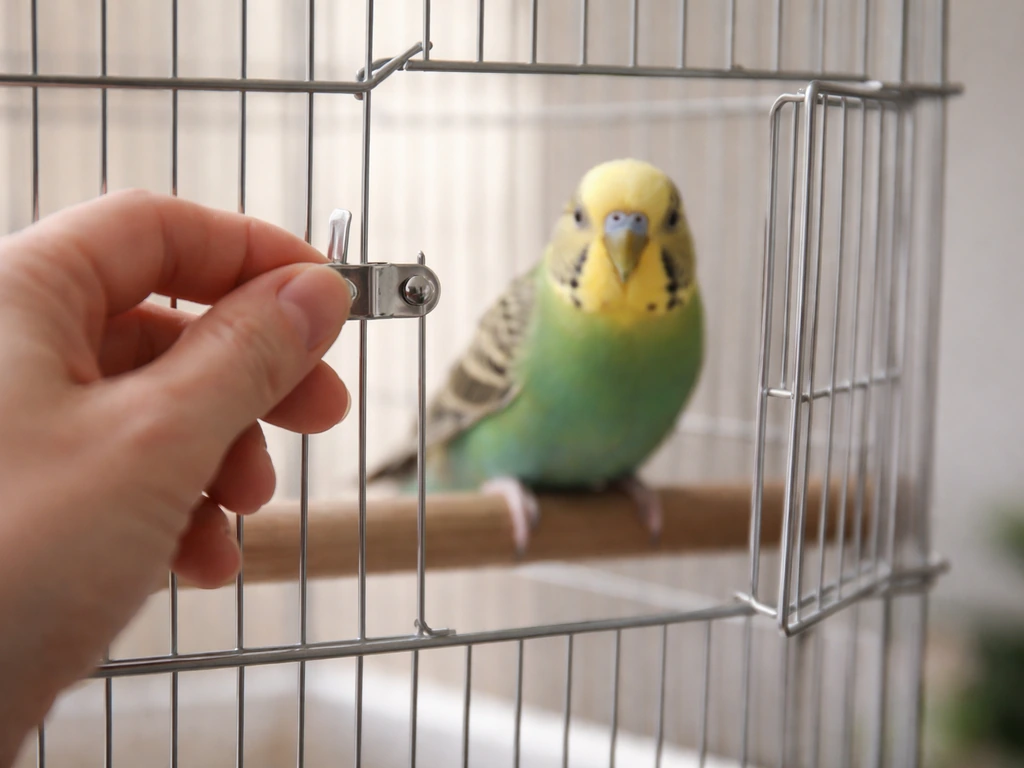
Identify your cage door type and lock style first
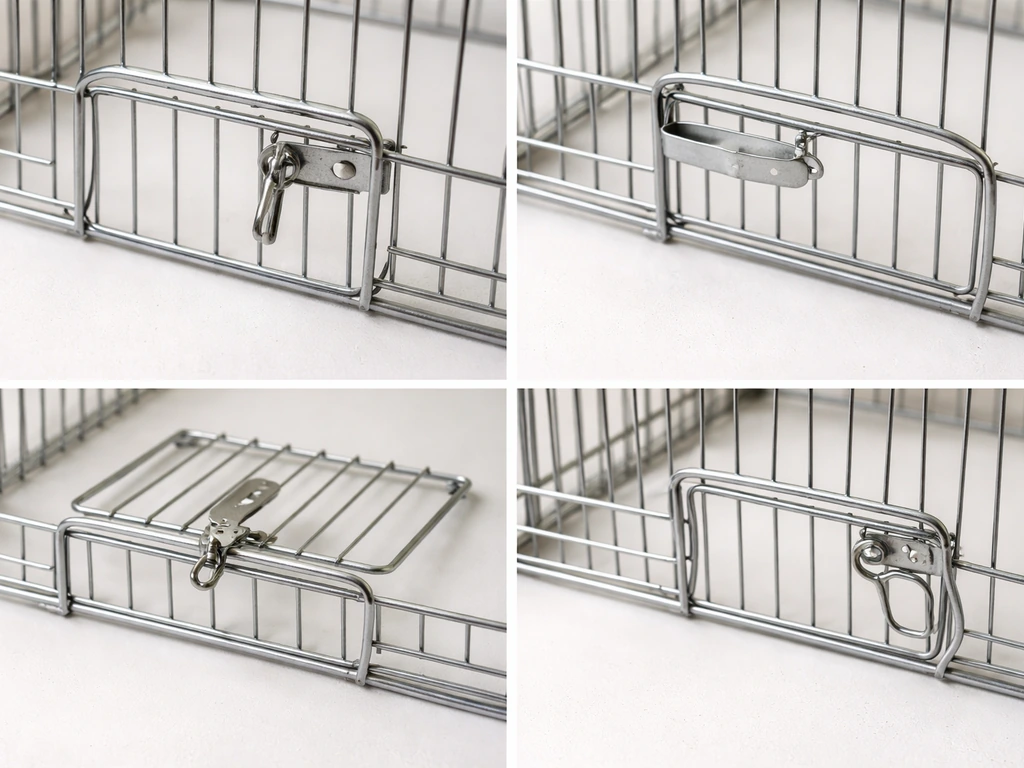
Before you touch anything, spend 30 seconds figuring out what you're actually dealing with. Cage doors look similar from a distance but the latch mechanisms are different enough that forcing the wrong one is how you bend hardware or stress your bird out.
There are four main door styles you'll encounter on everyday pet bird cages (the kind used for cockatiels, parakeets, finches, and similar species):
| Door Type | How It Moves | Common Latch/Lock Style |
|---|---|---|
| Swing/hinge door | Pivots outward on side hinges | Spring latch, spring clip, or bar-and-sleeve latch |
| Sliding side access door | Slides horizontally in a track | Clip-on lock, gravity stop, or no lock at all |
| Drop-down/bottom-hinge door | Folds down and doubles as a perch | Spring latch or external clip |
| Top/lift-out access panel | Lifts straight up or swings upward | Twist lock, cam latch (quarter-turn), or clip |
Once you know your door type, look at the latch itself. The most common styles are: a spring clip (a U-shaped wire you squeeze and lift), a bar-and-sleeve latch (a threaded or knurled bar that slides into a sleeve channel on the door frame), a cam/quarter-turn lock (a rotating tab that locks with a 90-degree twist), and a keyed or padlock-style add-on (found on higher-security acrylic and stainless cages where the lock sits on the outside so the bird can't reach it). Reid Supply describes a cam latch lock as using a T-handle cam latch with a quarter-turn motion to close and open, which locks and unlocks the cage cam/quarter-turn lock (a rotating tab that locks with a 90-degree twist). Some budget sliding doors have no lock at all and rely entirely on gravity or a simple clip that snaps over the door edge. Knowing your combo before you start saves you from fumbling around with your bird watching.
Set up the area and prep your bird before opening
This step feels like overkill until the one day your parakeet rockets past your hand the second the door cracks open. Do the prep every time, even if your bird is hand-tame.
- Close doors and windows in the room. This is non-negotiable. An open window is a permanent escape route. Avian welfare guidance is consistent on this: don't open cage doors before removing escape and danger paths from the area.
- Turn off ceiling fans. A bird in flight can be seriously injured by fan blades.
- Move any other pets (cats, dogs) out of the room and close the door behind them.
- Check for open toilets, hot stovetops, or standing water nearby. These are the usual hazard list for free-flying birds.
- Dim or soften the lighting slightly if your bird is skittish. A calmer environment reduces stress responses.
- Talk quietly to your bird before approaching the cage. Move slowly, without sudden gestures. Merck Veterinary Manual guidance on handling pet birds specifically recommends moving slowly and talking quietly to minimize stress. Your bird is reading your body language the whole time.
- If you need to handle or transfer the bird, have a pale-colored towel nearby. RSPCA guidance notes that pale-colored materials are less alarming to birds than dark ones. Dark towels can trigger a fear response.
- If you're only opening the cage to swap food or water and not handling the bird directly, you can partially cover the back and sides of the cage with a light cloth first. This keeps the bird from bolting toward the open door while you work.
One thing worth repeating from Merck's bird handling guidance: minimize the total time the door is open and the bird is unsecured. Have everything you need ready before you unlatch anything. If you're cleaning, have your supplies at arm's reach. If you're transferring the bird to a travel cage, have that container open and positioned before you open the main cage door.
Opening a swing or hinge door step by step
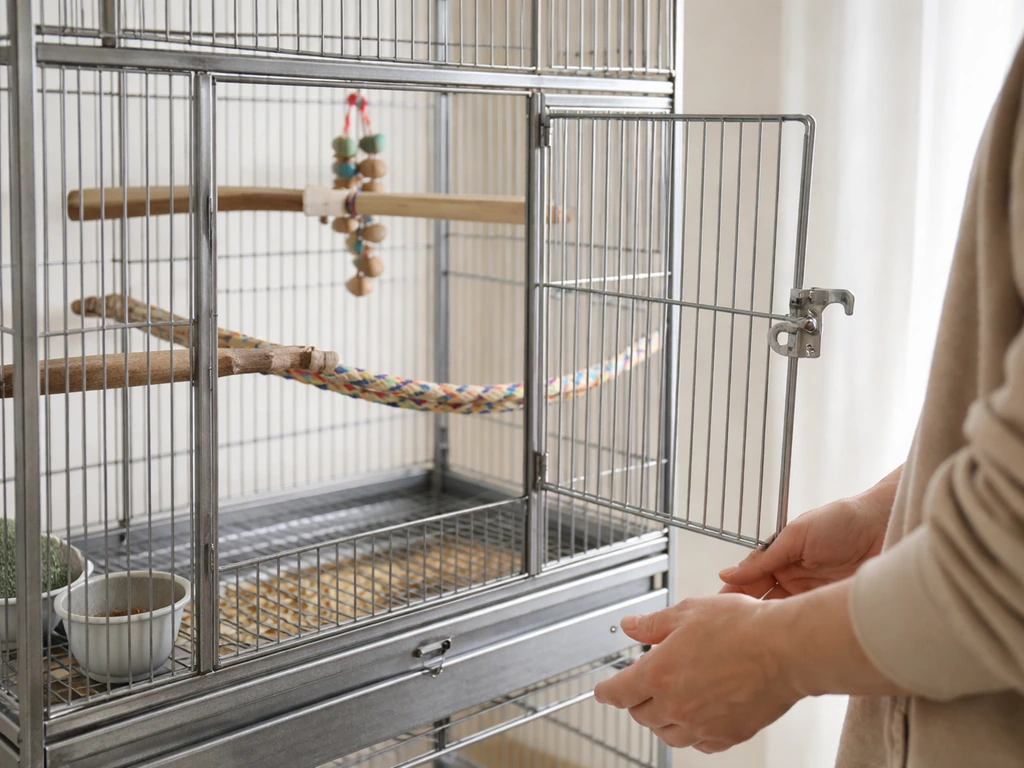
Swing doors are the most common type on mid-range cages for cockatiels, conures, and similar birds. Here's the full sequence:
- Position yourself so your body is slightly to the side, not directly in front of the door. This gives the door room to swing open without hitting you and gives the bird a clear view of you rather than a sudden wall of motion.
- Locate the latch. On most cages it's at the top or middle of the door's free edge (the side opposite the hinges).
- For a spring clip: squeeze the two arms of the clip together, then lift or push the clip up and out of the latch hole while holding the door with your other hand so it doesn't swing open too fast.
- For a bar-and-sleeve latch: grip the knurled bar or ring, pull it outward (away from the cage body) to disengage it from the sleeve, then pull the door open. On Midwest-style cages, the threaded bar literally withdraws from a lock sleeve on the door frame. You'll feel it release with a slight click or pop.
- For a spring-loaded latch with a lever: press or lift the lever in the direction indicated (usually upward) while applying gentle outward pressure on the door with your other hand.
- Swing the door fully open and hold it, or prop it open if you need both hands free. Many cages have a hook or wire latch you can engage to hold the door in the open position.
- If the cage has a double-door system (inner mesh door plus outer decorative door), open the outer door first, then work the inner latch. Each door has its own latch mechanism.
- Watch your bird the entire time you're working. If it moves toward the opening, close the door and reset. Never rush through a latch to beat the bird to the opening.
Opening sliding, top, and side access doors step by step
Sliding and top-access panels show up a lot on smaller finch and parakeet cages, feeder-access doors on larger parrot cages, and travel-style enclosures. The motion is different from a swing door, so the technique is too.
Sliding side or front doors
- If there's a clip or lock on the sliding door, disengage it first. On clip-style locks (a common add-on security measure), squeeze the clip's arms and slide it off the door edge before attempting to slide the door.
- Grip the door handle or door edge firmly. Don't pinch the track itself.
- Slide the door horizontally in one smooth, controlled motion. Hesitant starts-and-stops are more likely to jam the door in the track.
- If the door has a gravity-stop tab at the top of the track, lift the door slightly as you slide it to clear the stop, then let it settle into the open position.
- Some sliding feeder doors (like the round-insert style on Kings Cages and similar brands) lift straight out of a circular receiver rather than sliding. For these, simply grip the door edge and pull outward while lifting. They usually pop free with minimal force.
- Keep one hand near the opening as you complete the slide to intercept any bird that moves toward the gap.
Top-access and lift-out panels
- For a cam or quarter-turn lock: insert a key or coin into the cam slot if it's keyed, or grip the thumb tab and rotate it 90 degrees (a quarter turn). You'll feel the cam disengage from its catch. Then lift the panel.
- For a simple clip-secured top panel: unclip all clips around the perimeter before attempting to lift. Trying to force a panel with even one clip still engaged can bend the frame.
- Lift the panel straight up and set it to the side. Top-access openings are useful for hand-taming but require extra caution because birds instinctively look up and may fly directly upward toward the gap.
- If the cage has a top play area with a hinge, swing the roof section backward until it clicks into its open-position stop, then confirm it's locked there before reaching in.
What to do when the cage won't open
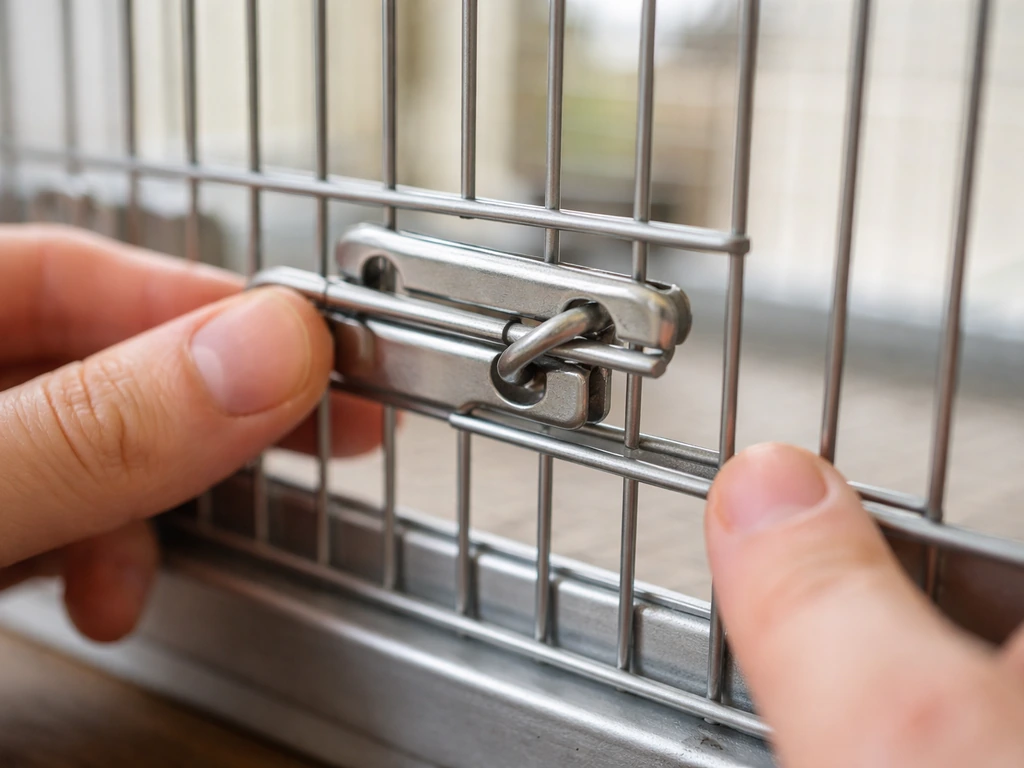
A stuck cage door is frustrating, especially when your bird is watching you struggle with it. Here are the most common causes and the fastest fixes.
The latch won't disengage
This is almost always a misalignment problem. The latch bar or spring is pressing against the receiver at an angle, creating friction that makes it feel locked even when it isn't. Push the door inward slightly (toward the cage interior) while working the latch. This takes pressure off the latch face and lets it slide free. Regal Stainless Steel's cage manuals explicitly note that difficulty opening the door is a known issue related to latch alignment, and their fix is the same: adjust pressure on the door while operating the latch.
Hardened droppings or debris blocking the mechanism
Bird droppings dry rock-hard and accumulate fast around latch edges. If the latch feels gummy or stiff rather than truly jammed, dampen a cotton swab or paper towel with warm water and work it around the latch pin and receiver. Give it 60 seconds to soften the buildup, then try again. Avoid oil-based lubricants near areas your bird can contact because many are toxic to birds. Warm water is almost always enough.
Rust or corrosion on the latch hardware
Cages in humid environments or those that get misted regularly are prone to rust at the latch points. If you can see reddish-brown buildup, the latch hardware is failing and needs replacement rather than just cleaning. In the short term, work the latch back and forth gently to break up surface rust. Longer term, replacement latches and locks are available for most major brands (including model-specific replacement locks for popular cage lines), so check your cage brand and model number and search for replacement hardware before the latch fails completely.
Sliding door stuck in the track
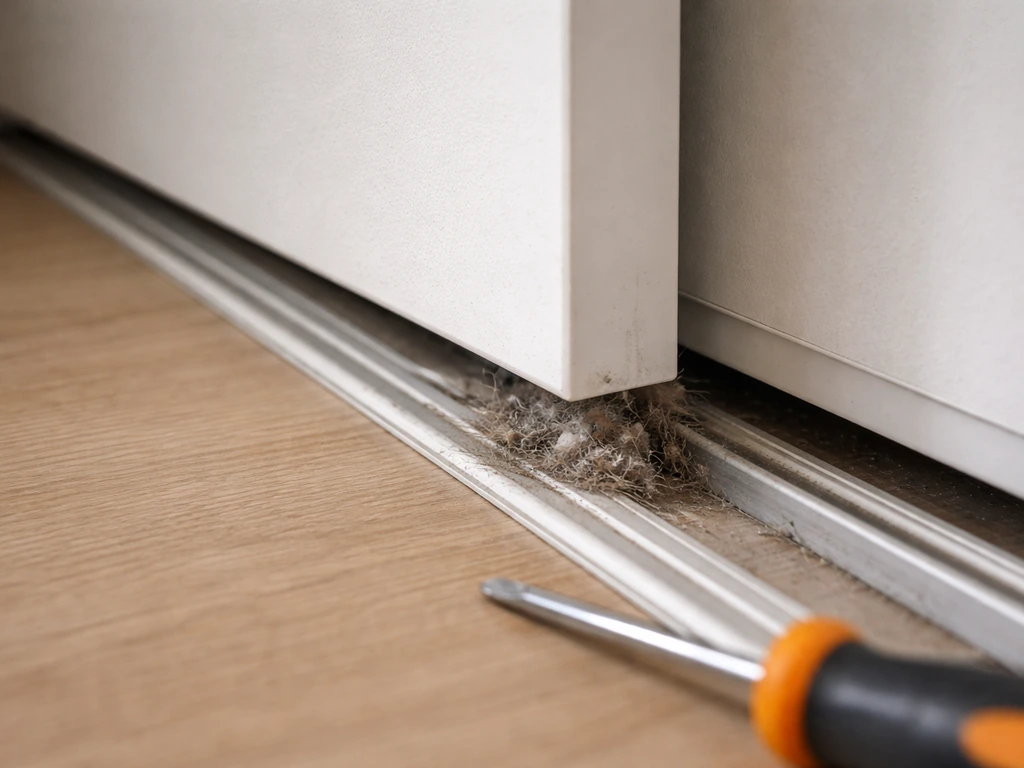
A sliding door that won't move is almost always caused by debris in the track, a bent track rail, or the door sitting at a slight angle in its channel. First, look into the track and clear any visible seed husks, feathers, or droppings with a dry brush or a vacuum nozzle. If the track is clear but the door still binds, check whether the door itself is sitting evenly in both the top and bottom channels. Gently lift the door and reseat it squarely. If the track rail itself is visibly bent, you may need to carefully bend it back with pliers or replace the track section. A general maintenance principle from sliding-door repair guidance applies here: a clean, debris-free track is the single biggest factor in smooth operation.
A cage cover or door skirt is interfering
If you use a cage cover at night, make sure it's fully removed from the door area before opening. Fabric caught in a hinge or behind a sliding door panel is a surprisingly common cause of a door that won't open cleanly. Pull the cover completely clear of the door zone before attempting the latch.
The door is warped or bent
Wire cage doors can warp if the cage has taken an impact or if bars have been bent and re-bent. A warped door won't sit flush in its frame, which means the latch can't fully engage or disengage. If you're dealing with a structural bar problem, that's a separate repair. For persistent bar or structural issues, checking a guide on how to repair bird cage bars would be the right next step since that's a different job from the latch itself. If your goal is smaller cage bars, focus on safe bar spacing adjustments rather than forcing the door mechanism repair bird cage bars. If the frame is fine but specific bars are bent or broken, follow a guide on how to repair bird cage bars before you try latching again.
Quick maintenance after you get the door open
Once the door is open, take two minutes to check and clean the hardware. Frequent opening and closing does wear down door latches and hinges over time, and a small maintenance habit keeps small problems from turning into the stuck-door situation you just dealt with.
- Wipe the latch pin, receiver, and hinge points with a damp cloth to remove dried droppings and dust. Dry completely before closing.
- Check that the hinge screws or rivets are tight. A loose hinge causes the door to sag, which misaligns the latch every time you close it.
- Open and close the door two or three times to check for smooth travel. It should move without grinding or resistance.
- Look at the latch spring tension. If a spring clip no longer snaps back firmly, it's fatiguing and should be replaced. A weak spring clip is something a clever bird can work open.
- For sliding doors, run a dry brush or cotton swab through the track channel to clear any fresh debris before closing.
- If you noticed any alignment issues during opening, check whether the door frame is flush with the cage body. A door that doesn't sit evenly may need a hinge adjustment or a new latch assembly.
- If your cage has a wheel-and-caster base that shifts position during cleaning, make sure the cage is re-leveled after you're done. An unlevel cage puts uneven stress on door frames and latch alignment.
If the latch, hinge, or track is genuinely worn out rather than just dirty, replacement parts are the right call. Most major cage brands sell model-specific replacement locks and latch assemblies. Having a working spare on hand means you're not dealing with a broken latch on the day you actually need to get your bird out quickly for a vet visit or an emergency.
For anything beyond latch and door maintenance, like wheels that don't roll correctly after you've moved the cage for cleaning, or bars that have bent enough to affect the door frame's shape, those are separate repairs worth addressing so the door problem doesn't come back. If your bird cage wheels are sticking or scraping, you can usually get them moving again by cleaning and checking the axle and mounting hardware wheels that don't roll correctly. A door that opens smoothly is only as reliable as the structure around it.
FAQ
What if my bird cage has a padlock or keyed lock, can I open it without the key?
Yes, but only if you can see that the lock is on the outside or that the keyed mechanism has a release position. If the lock is a keyed or padlock add-on designed to keep a bird from reaching, do not try to improvise with tools, instead use the correct key and open the lock before touching any latch or door edge.
How do I open the cage safely if my bird is near the door and might bolt?
Do not force the door while holding or catching your bird. Instead, close the room off first, then keep the bird away from the door opening by moving slowly and using calm vocal cues. Only unlatch once everything is ready, since even a small jerk can startle the bird into escaping.
What should I do if the door feels stuck but I am worried I might be bending hardware?
If you feel resistance, stop and avoid pushing or yanking multiple times. Try the two safe checks in order, first reseat the door pressure inward slightly while operating the latch, then clean warm-water residue from latch edges. If it still binds, treat it as alignment or track/debris and move to those checks rather than applying force.
How can I tell whether the latch problem is alignment versus a true jam?
For swing doors, a quick way to tell alignment issues is to look for a latch that does not line up evenly with the receiver when the door is closed. In that case, gentle inward pressure on the door while using the latch usually helps, if it still will not disengage, assume misalignment, debris, or a failing latch rather than trying to pry.
Can I lubricate the track or sliding rails to make the door open easier?
If the cage uses a sliding panel, avoid lubricating the track because many products attract grime and can create a sticky buildup over time. Use dry cleaning first (brush or vacuum nozzle), then warm-water softening for residue only around latch contact areas, and reseat the door squarely if it sits at an angle.
My latch feels gummy or stiff, does warm water actually work and how long should I wait?
Use warm water on a cotton swab or paper towel and allow about a minute for softening. After that, wipe away loosened debris, then try the latch again. If the latch still feels gummy, it usually means more buildup in the receiver area or an early wear problem, which may require replacement hardware.
How do I decide whether to clean a rusty latch or replace it?
If you see reddish-brown rust at latch points, assume the hardware is failing rather than only dirty. In the short term you can move the latch gently to break up surface rust, but plan to replace the latch or lock because rust tends to return and can stop the latch from fully engaging.
I opened the cage before, why would a night cover stop the door from opening now?
If the cage has a fabric cover, remove it completely from the door and hinge zone before attempting to unlatch. Even a small piece caught in the hinge or near the edge can add enough friction to make a latch feel broken.
What if the door still will not open even after cleaning and alignment checks?
Yes, but do it carefully. For bar or wire warping, a warped door may not sit flush, preventing proper latch engagement and making opening inconsistent. That situation is different from cleaning and latch adjustment, so check the door frame and bar/structural condition before continuing to force the latch.
After I get it open, what maintenance should I do so it does not get stuck again?
Once you have it open, inspect and clean the latch and hinge areas briefly, then test smooth opening and closing with the bird secured away. If you repeatedly need to “work” the latch to get it to release, that is a sign of wear, and having replacement parts on hand prevents delays during vet or emergency situations.
A sliding door binds on one side, how do I know when it is a bent track versus debris?
If you see a bent track rail, do not keep trying to open the door because misalignment can scratch or strain the door and track. Assess whether the rail is visibly deformed, if it is, reseating alone may not be enough, you may need careful realignment or replacement of the track section.