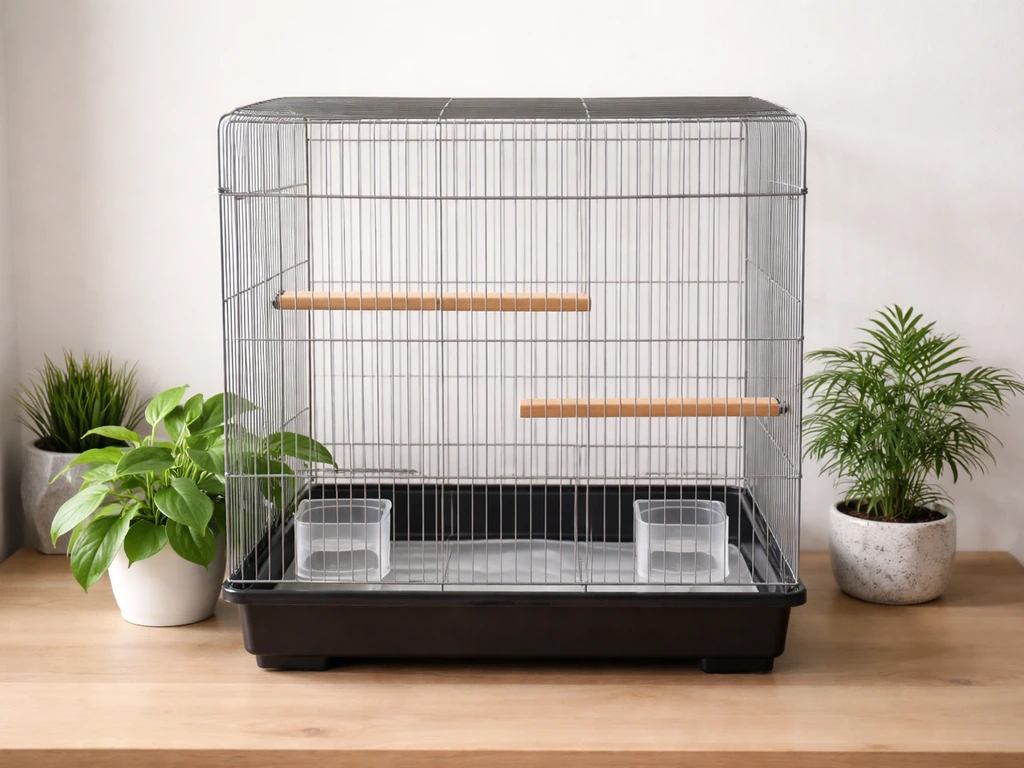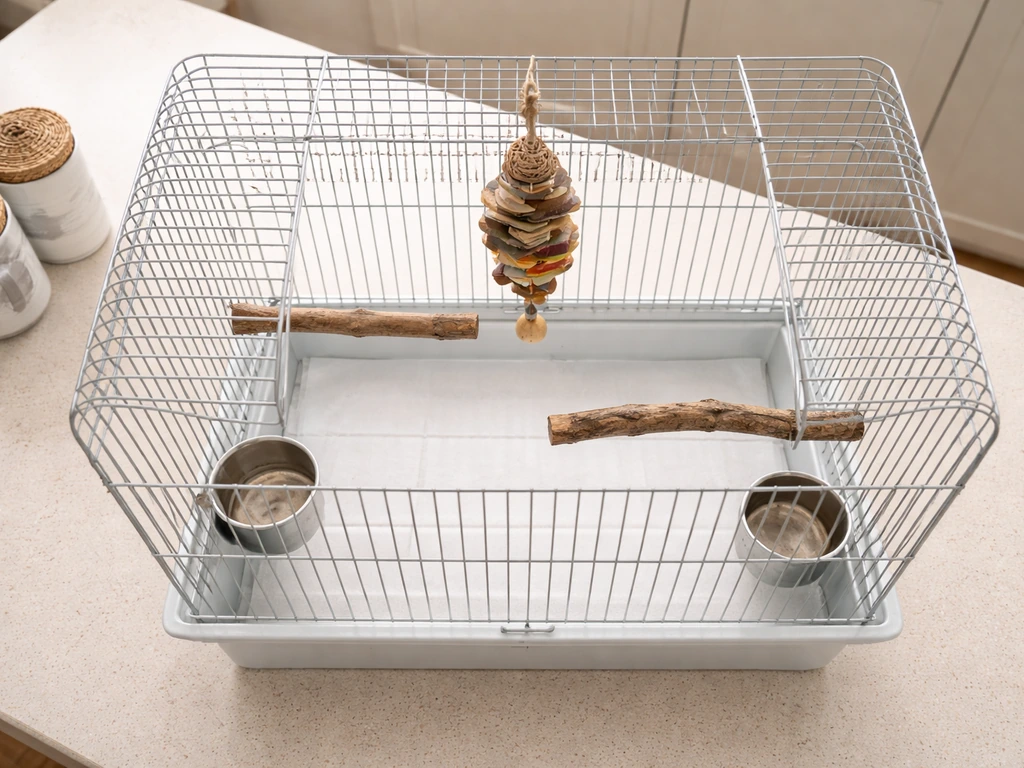
At minimum, you need a correctly sized cage with appropriate bar spacing, at least two to three perches of varying diameter and texture, food and water dishes, a safe cage liner you change daily, and a few species-appropriate toys. If you want greenery, you can also learn how to plant succulents in a bird cage safely without harming your bird. Everything else, including cage covers, play stands, and automatic water bottles, is useful but not strictly required to keep a bird healthy and comfortable.
What Do You Need for a Bird Cage Checklist and Setup

Maya Bennett
22 Jun 2026
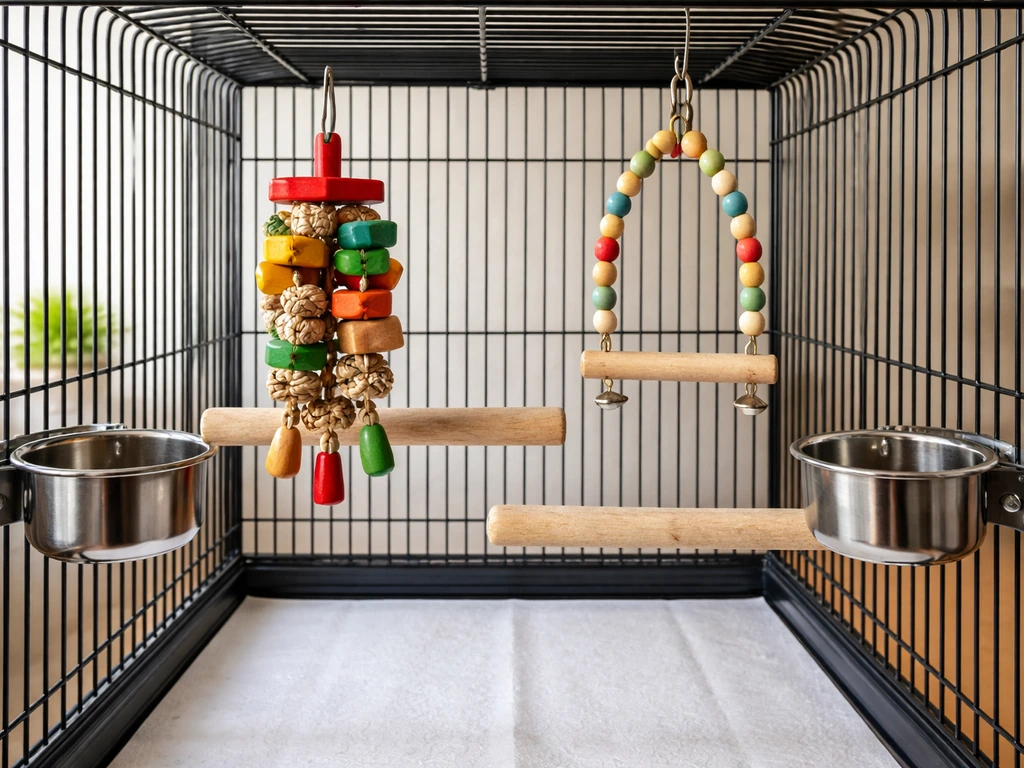
Must-have cage basics and size requirements
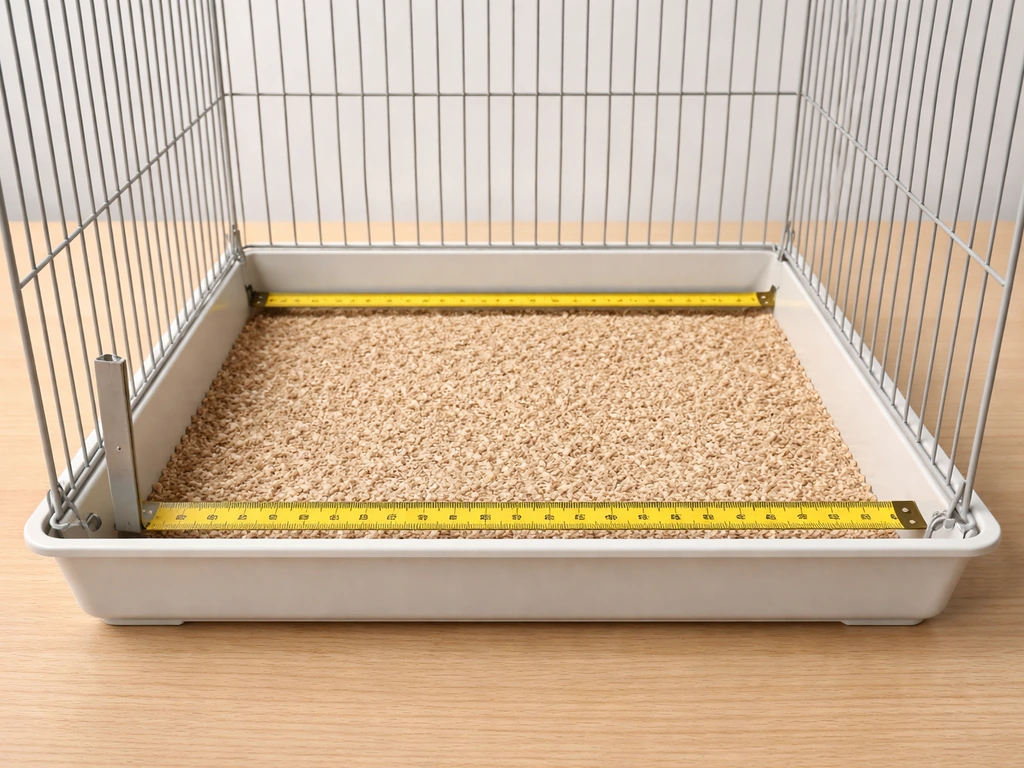
The cage itself is your biggest decision, and the two numbers that matter most are interior dimensions and bar spacing. A cage that is too small causes stress and limits movement, while bar spacing that is too wide can trap a head or wing. Here are the minimum sizes and bar spacing guidelines you should stick to, based on veterinary recommendations:
| Bird Species | Minimum Cage Size (L × W × H) | Bar Spacing |
|---|---|---|
| Budgerigar | 20 × 20 × 30 inches | 0.5 inch |
| Cockatiel | 20 × 20 × 30 inches | 0.5 inch |
| Lovebird | 20 × 20 × 30 inches | 0.5 inch |
| Parrotlet | 20 × 20 × 30 inches | 0.5 inch |
| Conure (small) | Larger than minimums above | 0.75 inch |
These are the floor-level minimums. Bigger is always better, so if your budget and space allow, go up a size. Width matters more than height because birds fly horizontally, not vertically. A tall, narrow cage sounds impressive but is less useful than a wide, shorter one. Also check that the bar spacing is consistent across the entire cage, including the door and tray area. Owners regularly discover that a cage has tighter bars on the sides but a wider-gap door, which is just as dangerous.
Beyond dimensions, check the coating. Look for cages labeled powder-coated with non-toxic finishes. Avoid any cage with a shiny finish you cannot verify, old cages with peeling paint (which may contain lead or zinc), or cages made with galvanized hardware cloth. If you are building a DIY enclosure, use stainless steel hardware throughout. It costs more but removes all risk of zinc or heavy-metal toxicity, which is a documented and serious hazard for birds.
Inside-the-cage essentials: perches, feeding, and water
Perches
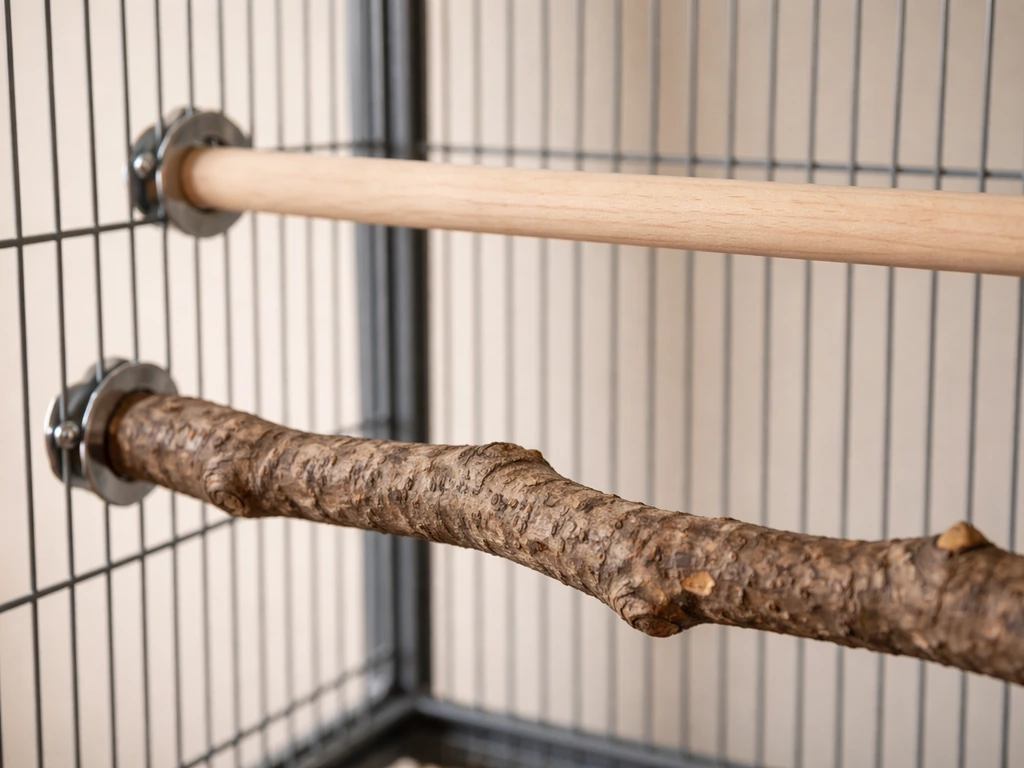
You need at least two perches, and they should not be the same diameter. Uniform-diameter wooden dowels are one of the most common setup mistakes. Using only dowel perches can cause painful pressure sores on a bird's feet because the foot grips the exact same way every single time. Vary the diameter and texture: pair a natural wood branch perch with a rope perch or a textured concrete perch. The bird's foot should wrap about two-thirds of the way around the perch, with the front and back toes nearly touching. If the toes fully overlap, the perch is too thin. If the foot barely bends, it is too thick.
Placement matters too. Put one perch near the top of the cage where the bird will sleep, and one at a mid-level near the food and water dishes. The key rule: never position a perch directly over a food or water bowl. Droppings will contaminate the dishes constantly, and you will be doing far more cleaning than necessary. Keep perches away from the cage walls where the bird can abrade its tail feathers, and make sure no perch is so close to another that the bird cannot turn around comfortably.
Food and water dishes
You need at least two dishes: one for food and one for water. Stainless steel is the safest and easiest to sanitize. Avoid cheap plastic dishes that crack and harbor bacteria in the crevices. If you use a water bottle instead of an open bowl, check daily that the ball valve is actually dispensing water. A blocked spout means your bird has been without water, sometimes for hours, without any visible sign. Open bowls are easier to monitor but need daily changing because food and droppings end up in them fast. Change water every single day regardless of which system you use, and scrub bowls with hot soapy water at least every other day.
Safe materials and what to avoid
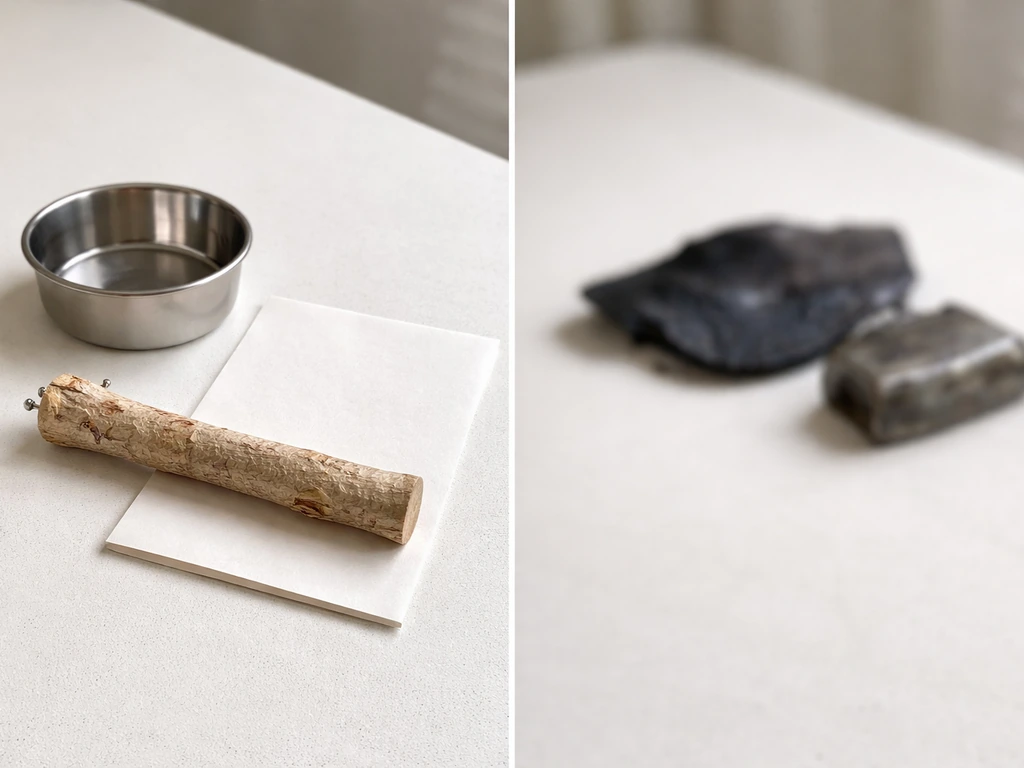
Material safety for birds is not optional. Birds are uniquely vulnerable to chemical fumes and heavy metals, and the hazards are serious enough that vets list them as common causes of sudden death and illness.
- Non-stick (PTFE/Teflon) cookware: overheated non-stick coatings release fluoropolymer fumes that are rapidly fatal to birds. This applies to pots, pans, drip trays on ovens, irons, and some space heaters. Keep birds out of kitchens entirely, or switch to stainless steel or cast iron cookware.
- Zinc and lead: found in galvanized wire, cheap bell toys, mirror backings, and some curtain weights. Ingesting or chewing these causes heavy-metal toxicosis. Use stainless steel hardware and buy toys from reputable bird-specific suppliers.
- Pesticides and aerosol sprays: including air fresheners, perfume, and cleaning sprays. Birds' respiratory tracts are extremely sensitive. Never spray anything near the cage and ventilate thoroughly before returning the bird to the room.
- Toxic foods near the cage: avocado is severely toxic to birds and can damage heart muscle within 24 to 48 hours. Chocolate is also toxic due to theobromine and caffeine. Keep fruit bowls and human snacks away from foraging birds.
- Painted or varnished wood perches: unless the finish is verified bird-safe, use raw natural wood branches from non-toxic trees (apple, willow, eucalyptus) or purchase unfinished wood perches from bird suppliers.
When evaluating plastic accessories like dishes and toy components, understand that some plastics may leach harmful chemicals, especially when scratched or aged. Stainless steel dishes and stainless or food-safe acrylic toy parts are the safest choices. When in doubt, buy from a bird-specific retailer rather than repurposing general pet or craft store items.
Toys and enrichment that fit your bird's behavior
Toys are not decorative extras. Birds without mental stimulation develop behavioral problems including feather destructive behavior, excessive screaming, and aggression. That said, more toys does not mean better. Overcrowding a cage with toys removes flight space and can actually stress a bird out. For a budgie or parrotlet, two or three well-chosen toys are plenty. For a conure or cockatiel, you can rotate three to five toys, swapping them weekly to keep things novel.
Match the toy type to what your bird actually does. Chewers (like conures and cockatiels) benefit from shreddable paper, soft wood blocks, and palm frond toys. Foragers enjoy puzzle feeders and toys that hide treats. Climbers want rope and ladder setups. Curious, touch-oriented birds often like toys with varied textures and moving parts. The sibling topic on what to put in a bird cage for decoration covers the aesthetic side, but functionally, every item inside the cage should serve the bird's natural behavior, not just look good. If you're also aiming for decoration, focus on safe, bird-friendly items that still let the bird play, perch, and forage naturally.
For materials: natural fiber rope (untreated sisal or cotton with short fibers) is generally safe. Avoid rope toys with long, loose fibers that can wrap around toes and cut off circulation. Inspect rope and fabric toys weekly and retire them when they start to fray badly. Bells should be stainless steel with no removable clapper parts the bird could swallow. Skip jingle bells or cheap bells with zinc components entirely.
Bedding, substrate, liners, and mess control
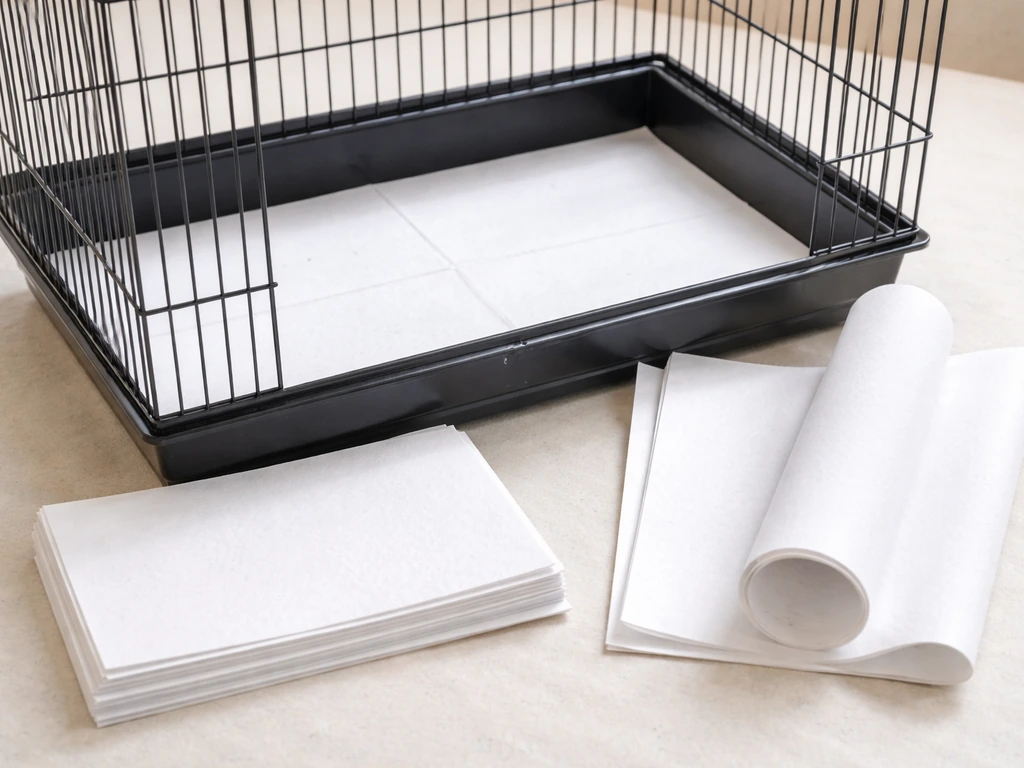
This is one of the most misunderstood parts of cage setup. Unlike small mammals, birds do not need deep bedding in their cage. The cage floor is not where they sleep or burrow. What you need is a liner on the cage tray that you can swap out quickly and that lets you monitor droppings as a health indicator. To choose the right option, use this guide on what to put on a bird cage floor what to put on bird cage floor.
Paper is the right choice. Newspaper, butcher paper, or pre-cut commercial cage liners all work well. Change it daily, or at minimum every two days. This is not optional for hygiene: damp, soiled substrate grows bacteria and mold fast. A quick daily change takes less than two minutes and tells you immediately if a dropping looks abnormal, which is often the first sign of illness.
Avoid every loose, particulate substrate sold for other pets. Wood chips, pine shavings, cedar shavings, corncob bedding, walnut shell, sand, and clay-based cat litter are all inappropriate for birds. Cedar and pine shavings release aromatic oils that irritate respiratory tracts. Sand is dangerous if ingested. Corncob and walnut shell grow mold invisibly. Stick with flat paper and you will not go wrong. FDA’s list of potentially dangerous items for pets states blank" rel="noopener noreferrer">avocado can be severely toxic, even deadly, to birds. For more detail on what specifically to layer in the tray, the guide on what to line a bird cage with and what to put at the bottom of a bird cage cover those choices in depth.
Placement, covers, and seasonal protection
Where you put the cage affects your bird's health and behavior as much as what goes inside it. You can also choose safe cage greenery and greens that match your bird’s species and chewing habits. The best location is against a wall (so the bird feels secure on at least one side), at or slightly above your eye level, in a room where the family spends time. Birds are social and do poorly when isolated in a back bedroom. Avoid kitchens because of cooking fumes and the PTFE hazard. Fumes emitted from overheating cookware or nonstick (Teflon-type) products are a serious hazard to pet birds blank" rel="noopener noreferrer">cooking fumes and the PTFE hazard. Avoid bathrooms because of humidity and cleaning chemical exposure.
Windows can be tricky. Natural light and visual stimulation are great, but direct afternoon sun through glass can overheat a cage very quickly. Position the cage so part of it is in light and part is shaded, giving the bird a choice. Keep the cage away from air conditioning vents and heating registers. While a gentle cross-breeze is not the catastrophic threat it is sometimes made out to be (feathers provide good insulation), a direct, sustained blast of cold or hot forced air is genuinely stressful and can cause illness.
A cage cover is a useful item, not strictly a must-have, but most bird owners find it essential in practice. Covering the cage at night helps establish a consistent sleep schedule and blocks light from early-morning sun or household lamps. Use a breathable fabric, either a purpose-made cage cover or a light cotton sheet. Never use plastic sheeting, which traps humidity and blocks airflow. In winter, a heavier cover can add some insulation at night, but the cage's room temperature should be your primary concern rather than relying on a cover alone.
DIY setup checklist and troubleshooting common problems
Whether you are assembling a new cage from a box or customizing an existing one, work through this checklist before the bird goes in:
- Verify bar spacing with a ruler at multiple points including the door and tray edges.
- Check all welds, seams, and door latches for sharp edges or gaps. Run your finger along every seam and fix anything rough with a non-toxic file or replace the component.
- Wash the entire cage with hot soapy water, rinse thoroughly, and let it dry before adding accessories.
- Install perches at different heights, diameters, and materials. Confirm none are directly above food or water dishes.
- Place food and water dishes at a comfortable standing height, ideally with a perch within easy stepping distance.
- Add two to three toys appropriate for the species. Leave at least one-third of the interior space clear for movement.
- Lay paper liner in the tray. Have several days' worth cut and ready to go.
- Position the cage against a wall, away from vents, kitchen fumes, and direct full-sun windows.
- If adding a cover, test it for breathability by holding it over your face for five seconds. If airflow feels restricted, choose something lighter.
Troubleshooting common setup problems
Mess outside the cage is one of the most common complaints. Seed hulls and feathers scatter well beyond the cage footprint. A cage skirt, which is a fabric or plastic flange that attaches to the lower bars, catches most debris. For better mess control, line the bottom of the cage with a bird-safe liner that is easy to replace daily. Alternatively, place a large plastic mat under and around the cage that you can sweep or wipe down easily. Positioning the cage away from upholstered furniture makes cleanup much faster.
If you are noticing gnats or other insects around the cage, the liner is not being changed frequently enough or fruit and soft foods are being left in the cage too long. Remove fresh food after two to four hours, change the liner daily, and scrub the tray with hot water and white vinegar every few days. Do not use commercial pesticide sprays anywhere near the cage.
Rope toys fraying faster than expected usually means the bird is an aggressive chewer and that toy material is not a good match. Switch to harder wood chew toys for that bird and reserve rope for climbing rather than chewing. Inspect all toys and perches every week as part of your routine liner change, and retire anything that looks like it could trap a toe, snag a beak, or be swallowed in a piece large enough to cause a blockage.
If you are customizing the cage with DIY additions such as extra perch mounts, foraging stations, or side access doors, use stainless steel hardware exclusively. Avoid galvanized bolts, zinc wing nuts, and any hardware with a shiny silver finish you cannot confirm is stainless. A simple magnet test helps: stainless steel is not magnetic, so if a magnet sticks, the hardware likely contains iron or zinc. It is worth the extra few dollars per bolt to remove all doubt.
FAQ
What is the absolute minimum I need for a bird cage, if I’m setting up quickly?
You only need the cage core setup if your goal is health and comfort: correctly sized cage with safe bar spacing, at least two varied perches, separate food and water containers, a daily-swap tray liner, and a few appropriate toys. Everything else (cage cover, play stand, water bottle) helps convenience and routine, but it should not replace those basics.
How do I verify the cage bar spacing is safe everywhere, not just on the main bars?
For bar spacing, consistency matters as much as the average. Check the door, tray area, and any decorative grilles, because owners often find a wider gap on the access panel than on the main body.
Should I go by the cage’s listed size or measure the interior space?
Use interior dimensions, not the label size. A cage that looks spacious externally can have reduced interior space due to thick bars, built-in trays, or interior frames, and smaller interior volume can limit horizontal movement.
How do I know my perch diameter is correct for my bird?
If the bird can’t wrap about two-thirds of the way around a perch, it’s not the right thickness. Use the fit rule as a quick check, then observe grip comfort, toe pressure, and whether any perch creates rubbing on nails or skin over the first few days.
What should I do if my cage layout makes it hard to avoid perches over the bowls?
Do not place a perch directly above any food or water, because droppings will fall into the bowls repeatedly. If you are short on space, reposition perches so droppings fall into the tray area rather than into the dishes, and consider using stands that keep items offset from the line of droppings.
Can I rely on a water bottle instead of an open water bowl?
Even if you use a water bottle, keep daily checks because valves can stick and a bird may not show obvious distress. If you switch between bowl and bottle, clean bowls daily and test the bottle flow by confirming a real stream at the drinking height.
How long can I leave food and the cage liner before cleaning?
Yes, but keep it predictable. Change the liner daily, and remove fresh food within a couple hours (especially soft foods) so insects and spoiled residue do not accumulate on the tray.
What should I avoid putting on the cage floor, even if it seems commonly used for other small pets?
If there are loose, particulate products in the tray from other pet habitats, switch immediately to paper liners only. These substrates can irritate respiratory tracts or create ingestion risks, and some also mold invisibly, making it hard to catch problems early.
What’s the best way to cover a bird cage at night, and what should I never use?
Choose breathable fabric for cage covers, and do not use plastic sheeting because it can trap humidity and limit airflow. If you need nighttime insulation in winter, use a heavier breathable cover, but keep the room temperature stable rather than relying on the cover alone.
I already have some bolts and mounts at home, can I use them for DIY perch additions?
Treat DIY hardware as a full safety project, not a partial one. If any part is uncertain, replace it with stainless steel hardware, and consider a magnet test before installation because some non-stainless metals will attract.
How many toys should I put in the cage, and do more toys automatically mean better enrichment?
Rotate toys rather than multiplying them, because too many items can reduce usable flight space and increase stress. For many small parrots, a handful of well-matched toys (two to three) works better than a crowded assortment.
My bird destroys rope toys quickly, what should I change first?
Match toy material to the bird’s behavior, especially chewing strength. If your bird aggressively destroys rope quickly, switch to harder wood chew toys and limit rope to climbing-oriented roles where entanglement risk is lower.
Where should I place the cage near windows to use natural light safely?
Yes, but confirm placement safety. Use a spot with both light and shade choices, and keep the cage away from direct afternoon sun, heating registers, and air conditioning vents. Also consider heat load through glass, because it can overheat a cage rapidly.
What should I check if I notice gnats or other insects around the cage?
A sudden increase in insects around the cage is usually a hygiene mismatch. In most cases, it means the liner is not being changed frequently enough and/or perishable food is left too long, so tighten both cleaning timing and food removal.