The best thing to put at the bottom of a bird cage is plain paper: newspaper, paper towels, unprinted packing paper, or purpose-made cage liner sheets. That's the short answer. Paper is safe, cheap, easy to swap out, and most importantly lets you actually see your bird's droppings so you can catch health problems early. Everything else I'll walk through here is about matching that basic choice to your specific cage type, bird, and cleaning routine.
What to Put at the Bottom of a Bird Cage Safely

Maya Bennett
11 Apr 2026
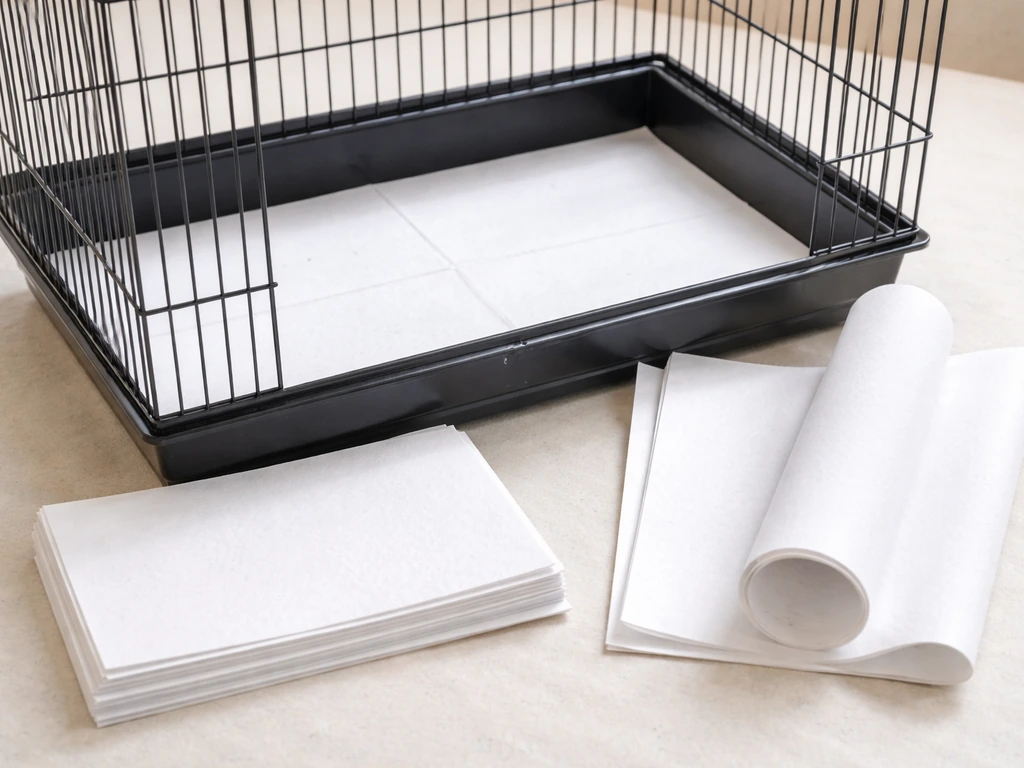
Start with your cage type and cleaning goals
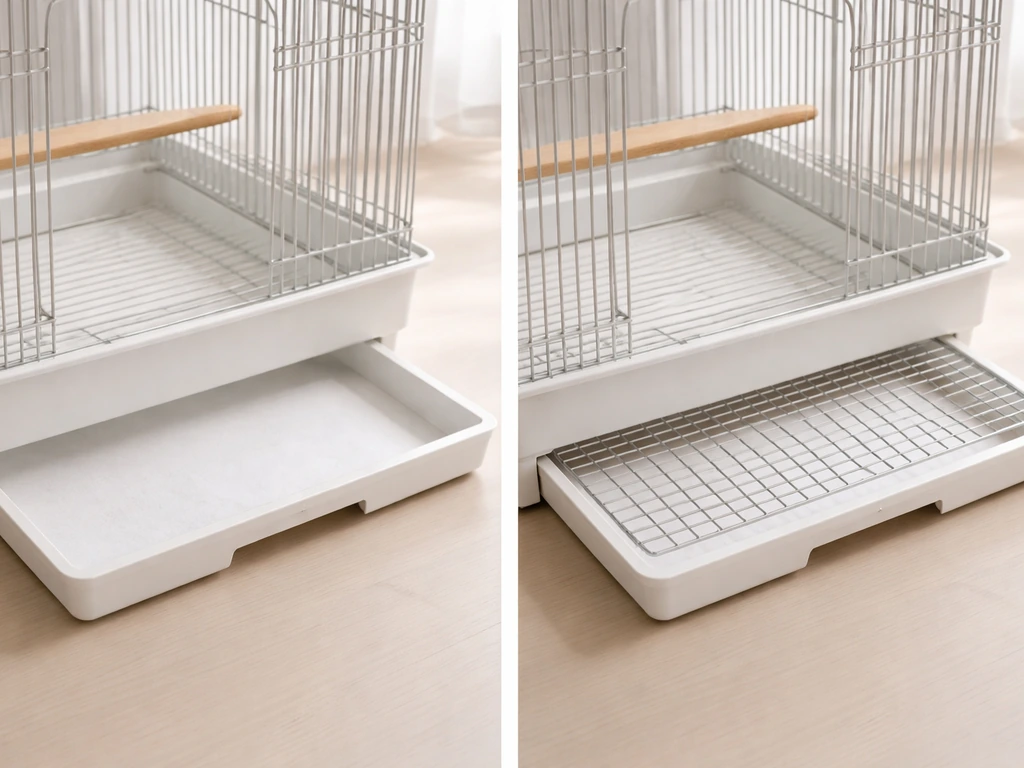
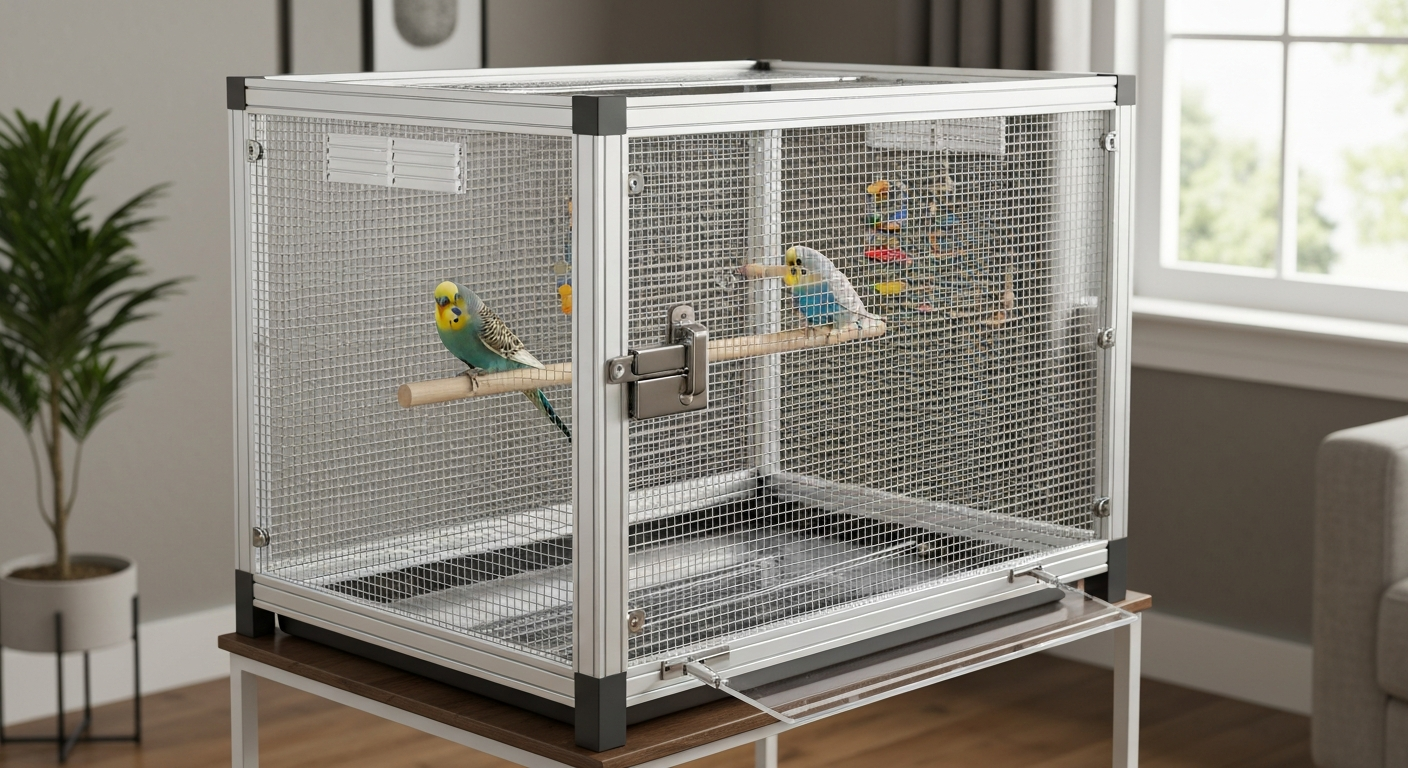
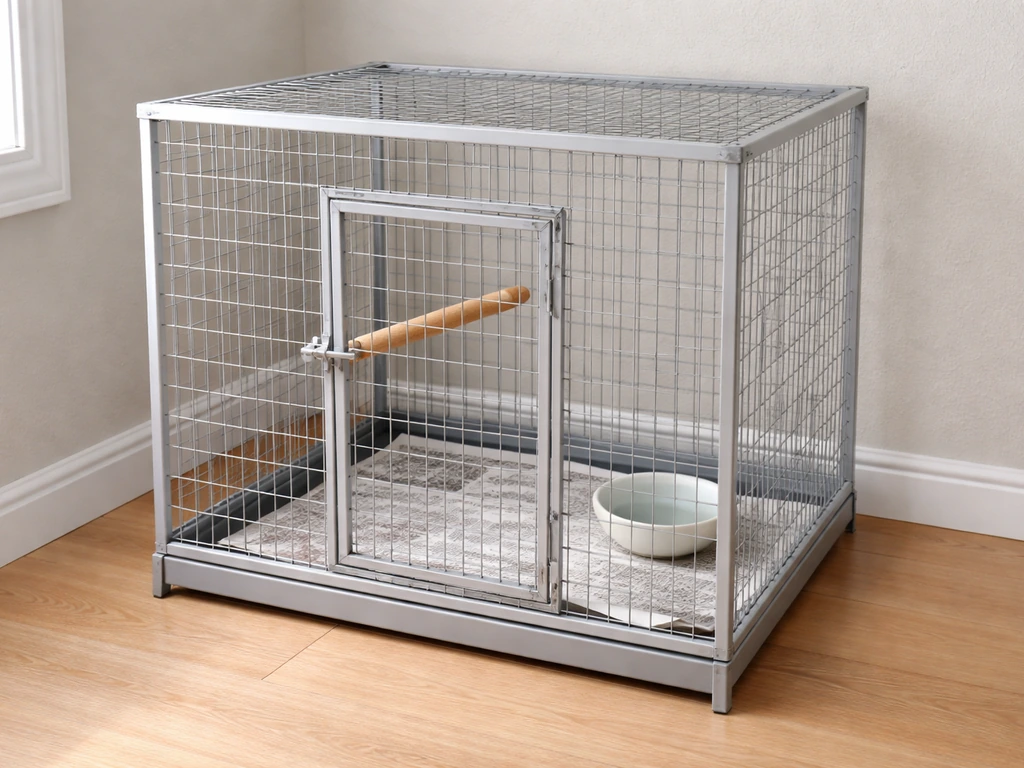
Before you pick a liner, take a look at your cage's bottom setup. Most cages fall into one of two designs: a pull-out tray (sometimes with a wire or plastic grate sitting above it) or an open floor that your bird can access directly. Both work, but they handle liners a little differently.
If your cage has a grate above the tray, your bird never touches the liner at all. That's the ideal setup. The grate keeps the bird out of droppings and spilled food while the liner underneath catches everything. If you don't have a grate, your liner choice matters even more because your bird may walk on it, scratch at it, or try to eat it. Thinking about what you need for a bird cage from the start, including a grate if yours is missing one, saves a lot of hygiene headaches later.
Your cleaning goals also shape the choice. If you can change the liner every day (which I strongly recommend), plain newspaper or paper towels are all you need. If life gets busy and you sometimes skip a day, a super-absorbent commercial liner with a leak-proof backing, like the Vitakraft Super-Absorbent sheets, will give you a bit more buffer before odor becomes an issue. A Reddit discussion about cage liner choices similarly highlights a preference for absorbent, leak-control liners when a grate separates the bird from the liner, reflecting real-world fit and use considerations super-absorbent commercial liner with a leak-proof backing.
Best safe materials for the bottom of the cage
Flat, disposable paper-based materials are the gold standard recommended by veterinary sources including Purdue's College of Veterinary Medicine and Lafeber. Here's what works well and why.
| Material | Cost | Absorbency | Visibility of droppings | Best for |
|---|---|---|---|---|
| Black-and-white newspaper | Free | Moderate | Excellent | Daily changers, all species |
| Paper towels | Low | Good | Excellent | Small cages, finches, canaries |
| Unprinted packing paper / butcher paper | Low | Moderate | Excellent | Large trays, parrots |
| Plain paper bags (cut flat) | Free | Moderate | Good | Budget option, any size |
| Commercial cage liner sheets (e.g., Prevue T3, Vitakraft) | Medium | High | Good | Busy owners, odor control |
| Aspen shavings (light layer only) | Low-Medium | Good | Poor | Ground-dwelling birds only |
Plain black-and-white newsprint is considered safe by veterinarians for cage lining. The inks used in standard newsprint have been evaluated and are not a concern for birds. If you're using colored inserts or glossy ad sections, set those aside and stick to the news pages. Unprinted packing paper or butcher paper is an even cleaner option if you want to avoid any ink entirely.
Commercial liners like the Prevue T3 antimicrobial liner add an extra sanitation layer with an antimicrobial treatment built into the material. The Vitakraft Super-Absorbent liners go a step further with an absorbent inner layer and a leak-proof bottom that keeps moisture from soaking into the tray itself. Both products are labeled safe for all bird species. These cost more than newspaper but genuinely reduce how often moisture reaches the tray, which cuts down scrubbing time.
Aspen shavings are the one particulate option that gets a conditional pass from Lafeber. If you keep ground-dwelling birds or want a more natural look, a light layer of aspen is acceptable. The downside is that loose substrate makes it nearly impossible to monitor droppings for color, consistency, and wetness, which is an important daily health check according to VCA Animal Hospitals. For most pet birds, I'd stick with paper and skip the shavings unless you have a specific reason for them.
Options to avoid (and why they're actually risky)
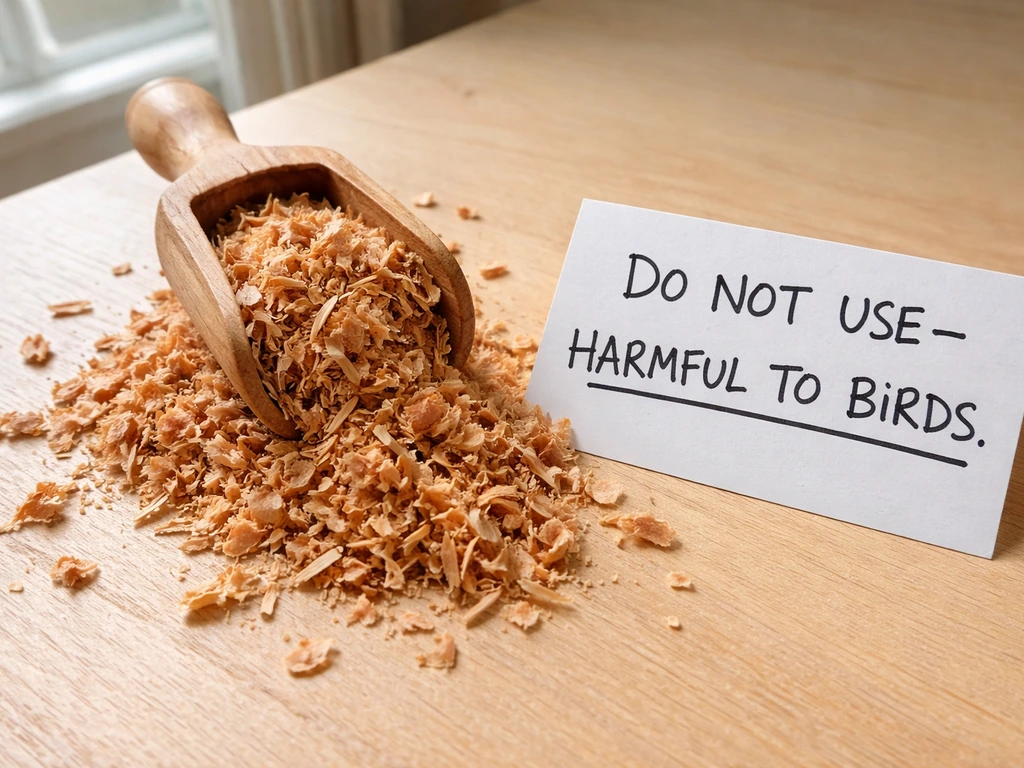
A few materials show up in pet stores or online suggestions that look harmless but can seriously hurt birds. Here's what to skip and the reason behind each one.
- Cedar shavings: Cedar contains aromatic oils that are toxic to birds. This is a hard no, not a 'use sparingly' situation. NW Parrot Rescue is unambiguous: never use cedar.
- Pine shavings: Most pine shavings share the same problem as cedar. The aromatic oils and dust are not safe for birds' respiratory systems. Lafeber calls this out directly.
- Corncob bedding: Holds moisture, molds quickly, and can harbor bacteria. Birds may also try to eat it.
- Clay-based cat litter: Dust is a major respiratory hazard for birds. Some types also contain silica dust, which is harmful when inhaled.
- Walnut shell bedding: Similar mold and moisture-retention risks as corncob, plus sharp edges.
- Sand or gravel liners: Abrasive on feet, especially for small birds. Sandpaper cage liners have been marketed in the past as a way to trim nails, but the abrasion causes foot sores and should be avoided.
- Scented or dyed papers: Fragrances and chemical dyes can irritate a bird's respiratory system. Plain is always better.
The VCA also flags a broader issue with particulate substrates: once droppings disappear into shavings or loose bedding, you lose the ability to track your bird's health visually. Changes in dropping color, texture, or moisture are often the first sign something is wrong. That alone is a strong argument for keeping the bottom of the cage as clean and visible as possible. If you want to learn more about what to line a bird cage with beyond just the floor, that same principle of visibility and safety applies throughout.
How to measure, cut, and fit your liner
Getting a liner that actually fits saves a lot of frustration. A liner that's too small lets droppings reach the bare tray; one that's too large bunches up and your bird will tear it apart within an hour.
- Remove the tray from the cage completely. This makes measuring accurate and keeps the bird out of your way.
- Measure the inner dimensions of the tray: length and width. Use a tape measure or just trace the tray onto your liner material.
- Add about half an inch on each side if your tray has raised edges. This helps the liner sit snug instead of shifting around.
- Cut your liner with scissors or a box cutter on a flat surface. For newspaper, fold several sheets together and cut them all at once so you have a week's worth ready in one go.
- Lay 3 to 5 sheets of newspaper on top of each other in the tray. Stacking layers means daily cleaning is as easy as peeling off the top sheet, revealing a clean layer underneath.
- If using a commercial pre-cut liner, simply drop it in. Most are sized to common cage tray dimensions, but check the product measurements before buying.
- Slide the tray back under the grate. Make sure the liner sits completely flat with no curled edges the bird could grab.
The stacking trick is one of the most practical cage-keeping habits I've picked up. You cut once at the start of the week, stack the layers, and each morning cleanup takes about 30 seconds. Purdue's guidance reinforces why full tray coverage matters: urine spreads significantly beyond where the dropping lands, soaking outward through the paper. A small patch under the perch won't cut it. You need the entire tray floor covered.
If you're also thinking about the wire grate that sits above the tray, make sure it's in place before you reinstall the tray. A cage setup with the grate in use keeps the bird separated from droppings and makes the whole liner system work far more effectively. For a broader look at what to put on a bird cage floor, including grate options and when to skip them, it's worth going deeper on that topic.
Daily and weekly cleaning routine that actually works
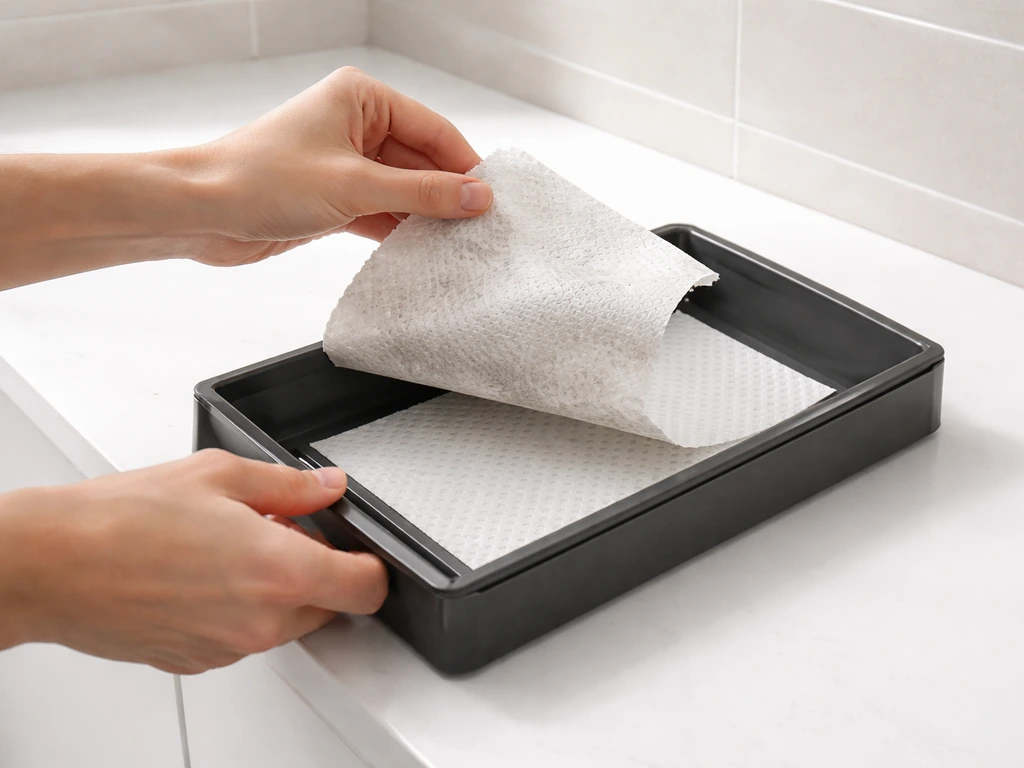
A consistent routine is what keeps odor and bacteria from building up. Here's what I do, broken down by frequency.
Every day
- Peel off and discard the top liner sheet (or the full single liner if using commercial sheets).
- Glance at the discarded droppings: check for unusual color (dark green, red, yellow), very watery urine, or undigested food. These are health flags.
- Wipe down food cups and the cage bottom edge if there's any overflow.
- Replace food and water.
Every week
- Remove all liner layers and pull out the tray.
- Scrub the tray with warm water and a bird-safe cage cleaner or diluted dish soap.
- Rinse the tray very thoroughly. Residue from cleaners and disinfectants is a real hazard: APHIS (USDA) confirms that detergent residue can interfere with disinfectants, and leftover chemical residue on cage surfaces can harm birds. Rinse until there's no trace of soap smell.
- Air-dry the tray before replacing. Avoid blowing air directly into the cage since this can spread pathogens around the room.
- Wipe down bars, perches, and toys.
- Pre-cut and stack fresh liner sheets before putting the tray back.
Every month
- Deep-clean the entire cage, including the frame, bars, and any removable parts.
- Use a proper avian-safe disinfectant (diluted white vinegar works for general use; veterinary-grade products like F10 are better for more thorough disinfection).
- Rinse every surface again after disinfecting. VCA is clear: disinfectants must be fully rinsed off with no residue remaining on the cage or its contents.
- Inspect perches, toys, and the grate for stuck droppings. Soak stubborn spots in warm water for a few minutes before scrubbing.
Troubleshooting mess, odor, pests, and bird behavior
Odor is building up faster than expected
If the cage smells bad within a day or two, you're either changing the liner too infrequently, using a material that holds moisture rather than absorbing it, or the tray itself has absorbed grime into cracks or scratches. Try switching to a more absorbent commercial liner with a leak-proof backing, and inspect the tray for any rough or scratched surfaces where bacteria can hide. A scratched plastic tray may need replacing since it can't be disinfected properly.
Your bird keeps shredding or removing the liner
This is common with parrots and cockatiels that have tray access. First, confirm your grate is in place. If the bird is reaching through the grate to pull up paper, try cutting the liner slightly larger so it tucks under the tray edge and the bird can't grab it. Heavier commercial liners are also harder to tear than flimsy newspaper. If the bird is genuinely obsessed with the paper, it's worth adding more foraging enrichment at the cage level to redirect that energy.
Stuck droppings that won't scrub off
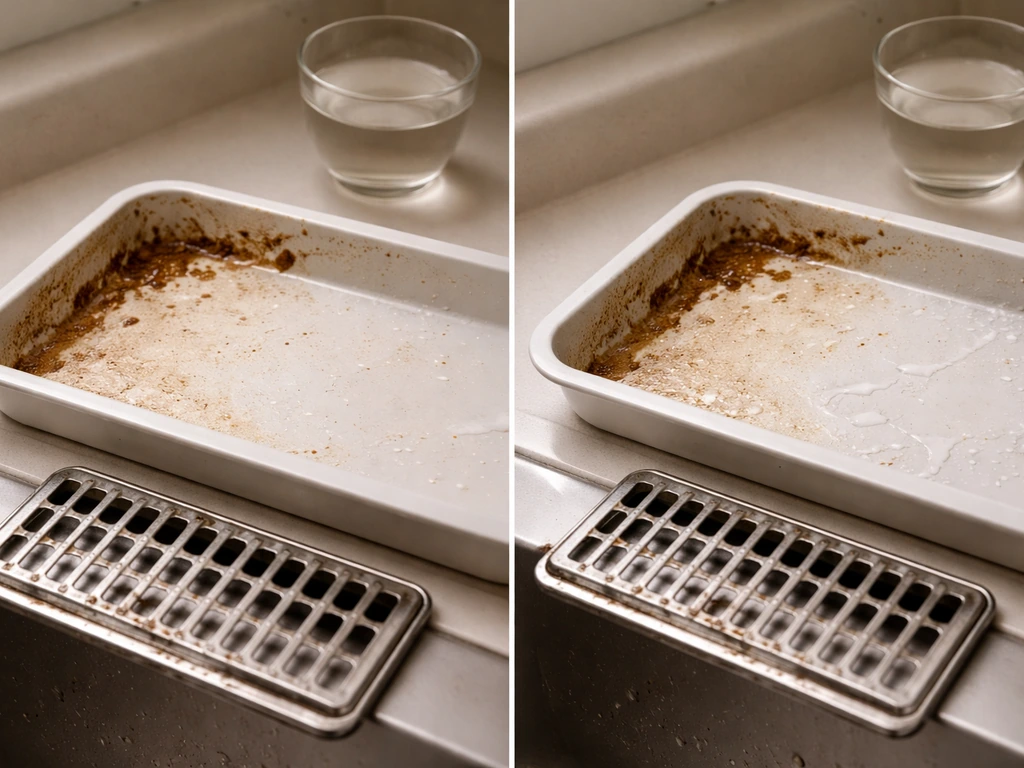
Dried droppings on the grate or tray edges can be incredibly stubborn. Soak the area for five to ten minutes with warm water before scrubbing, rather than scraping dry. A soft toothbrush works well on grate bars. Never use abrasive pads on coated metal bars since they damage the finish and create surfaces where bacteria embed more easily.
Fruit flies, mites, or other pests appearing
Pests are almost always a sign that wet or soiled liner is sitting too long, or that food waste is falling into the liner and not being removed. Switch to daily liner changes immediately. If mites are present, the cage needs a full disinfection: remove the bird, strip everything out, disinfect all surfaces, rinse completely, and air-dry for at least an hour before returning the bird. The Psittacine Disaster Team's hygiene protocol recommends placing used liners directly into a trash bag and spraying the bag with disinfectant before disposal, which is a good practice if you suspect a parasite problem.
Mess spreading far outside the cage
If seed hulls, feather dust, and mess are fanning out across the floor, the liner is not your main problem. Consider a seed catcher skirt that attaches around the lower cage frame, and look at how the food cups are positioned relative to the cage sides. Placing the cage on a mat or tray also makes floor cleanup faster. For ideas on what to put in a bird cage for decoration that doesn't make mess worse, there are smart accessory choices that reduce scatter without limiting enrichment.
Species and placement tips for different birds
Small parrots (budgies, cockatiels, parrotlets)
These birds produce a lot of fine dust (especially cockatiels) and are curious about everything, including their cage bottom. Paper towels or pre-cut cage liner sheets are ideal since they're less tempting to shred than newspaper. Change daily. If your cockatiel or budgie is particularly dusty, wiping down the bottom tray edges daily also keeps powder from accumulating into a gritty layer.
Larger parrots (African Greys, Amazons, macaws, conures)
Larger parrots produce bigger, wetter droppings and can throw food waste impressive distances. Stack at least 3 to 5 sheets of newspaper and expect to change daily, sometimes twice if the bird is particularly messy. Commercial super-absorbent liners are worth the cost here because the volume of moisture from a large parrot will soak through single-layer paper quickly. Make sure your tray is deep enough to contain tossed food; some large parrot cages have shallow trays that need a liner with raised sides or frequent spot cleaning throughout the day.
Finches and canaries
Small droppings, small cages, easy cleanup. Paper towels cut to size work perfectly. These birds rarely interact with the cage bottom so the liner stays undisturbed. Change every one to two days. Because their droppings are tiny, you can catch health changes quickly if the paper is clean and light-colored.
Outdoor or aviary setups
Outdoor cages face weather, insects, and humidity that indoor cages don't. Paper liners can become soggy quickly in humid climates or if the cage isn't fully covered. In these situations, a breathable substrate with better moisture tolerance may be needed in the short term, but the priority should be ensuring the cage is sheltered enough that the liner stays dry. In very wet seasons, I'd replace the liner twice a day and use a heavier commercial liner with a waterproof backing. If you're setting up a planted or decorative aviary, knowing what plants you can put in a bird cage that are safe and won't trap moisture near the floor is important for both bird health and maintenance.
Decorative and planted cage setups
If you're building a planted or decorative display cage rather than a daily-use pet habitat, the substrate rules shift. Planted setups often use soil layers for live plants, which means the 'liner' becomes more of a drainage and substrate system than a disposable sheet. If you're going that route, how to plant flowers in a bird cage covers the setup in detail. For succulent-specific builds, how to plant succulents in a bird cage walks through soil layering and drainage that keeps roots healthy without creating a hygiene problem. Just keep in mind: if live birds share the space, safe plant selection and daily droppings management still apply.
The simplest setup that actually holds up
If you take nothing else from this article, take this: plain paper, changed daily, covering the entire tray, is the safest and most practical cage bottom for almost every pet bird. It keeps the cage clean, lets you monitor your bird's health, costs almost nothing, and takes less than a minute to swap out. Cut a week's worth in one sitting, stack them in the tray, and peel one off each morning. That single habit makes more difference to your bird's health and your household smell than any fancy product.
From there, layer in commercial liners when you need better moisture control, keep a consistent weekly tray scrub on the calendar, and use your eyes every time you change the liner to catch any changes in droppings early. That's really the whole system.
FAQ
My bird keeps shredding the liner. What should I do instead of switching materials?
If your bird is chewing or digging at the bottom, choose a setup that minimizes access to the liner. First confirm the grate is installed, then use a liner that tucks fully under the tray edge. Also switch to a thicker commercial sheet or multiple stacked paper layers so a loose edge is harder to grab. If none of that works, it usually means the bird’s access level is too high, not that you need a different “paper.”
Can I reuse the paper tray liners to save money?
Don’t reuse liners. Even if the paper looks mostly dry, droppings and moisture can dry onto the surface and make them harder to remove, plus you lose the daily health signal the article recommends. A practical approach is to cut a week of pre-sized liners and keep replacements staged so daily swapping is realistic.
Are there any specific “paper” products I should avoid even if they seem safe?
Skip any liners that are waxed, scented, or coated (including many “flushable” or “pellet” papers). Also avoid colored glossy inserts, because excess ink and additives vary by publication. If you want to use paper products, stick to plain, uncoated, black-and-white newsprint or unprinted packing paper, and cut it to cover the entire tray.
Can I use bedding like aspen or other loose substrate instead of paper?
Yes, but only if you can keep the tray fully visible and the litter stays dry. Particulate bedding like aspen can hide droppings, and once droppings soak into it, you cannot reliably track color, texture, and wetness. If you must use it for a ground-feeding bird or an aesthetic reason, plan for more frequent spot checks and an overall change schedule that is shorter than with paper.
What should I troubleshoot if the cage starts smelling again 24 hours after changing the liner?
If you notice odor that returns quickly, the cause is usually insufficient absorbency or liner gaps under the perch and along the tray edges. Make sure coverage is complete, use a leak-proof absorbent liner if you sometimes skip a day, and inspect the tray for scratches or worn spots where grime collects. Cleaning frequency matters less than eliminating moisture pathways.
How often should I scrub the tray itself, not just replace the bottom liner?
A pulled-out tray should be cleaned on a regular schedule, not just when you smell something. When changing liners daily, do a weekly scrub of the tray and grate, focusing on any textured or scratched areas, then rinse thoroughly and dry. If you suspect mites or parasites, do a full disinfection and air-dry longer before returning the bird.
Is there a reusable alternative to disposable paper liners?
You generally should not. Many non-paper liners are designed for “soaking” and can trap moisture against the cage floor, which increases odor and can make disinfection harder. If you want a reusable option, look for something that can be fully cleaned and dried between uses, but for most households the safest default remains disposable paper changed daily.
How do I choose the right liner size for my cage?
Pick the liner size so it covers the entire tray floor, including the area under food scatter points and the full span of urine spread. If the liner is too small, droppings reach bare metal or plastic, and moisture soaks into the tray. If it is too large and bunches up, birds may tear it, so cut to match the tray opening closely.
What’s the correct response if I suspect mites are in the cage bottom?
If mites are a concern, cleaning the liner alone is not enough. Remove the bird, strip liner and debris, disinfect all cage surfaces, rinse, and air-dry completely before reintroducing the bird. Also bag used liners and treat the bag as contaminated so mites or eggs are not spread around your home.
What changes should I make for an outdoor or very humid environment?
For wet climates or outdoor cages, the priority is keeping the liner dry and changing it more often, sometimes twice daily during heavy humidity. Use a heavier commercial liner with a waterproof backing if paper gets soggy quickly. Also check that the cage is sheltered and not directly exposed to wind-driven rain or standing condensation on the tray area.