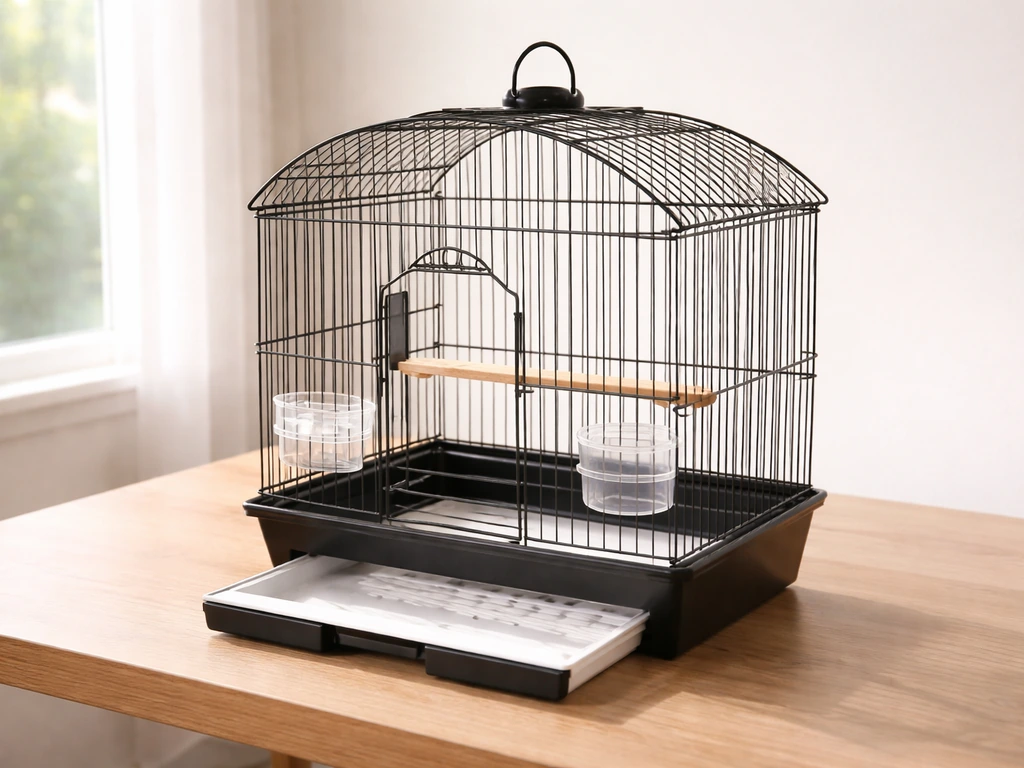
On a Hendryx bird cage (sold under the Prevue Hendryx or Prevue Pet Products name), your best shot at finding a model or manufacturing identifier is the sticker or printed label on the cage's original packaging, the instruction sheet tucked inside the box, or a small UPC sticker affixed directly to the cage frame or tray. If you still have the box or insert, check there first. If the cage is already set up with no packaging in sight, flip up the seed guard, pull out the bottom grate, and look on the underside of the tray and the inside edges of the base pan, because that's where secondary labels often hide.
How to Date a Hendryx Bird Cage: Step-by-Step Guide

Maya Bennett
17 Jun 2026
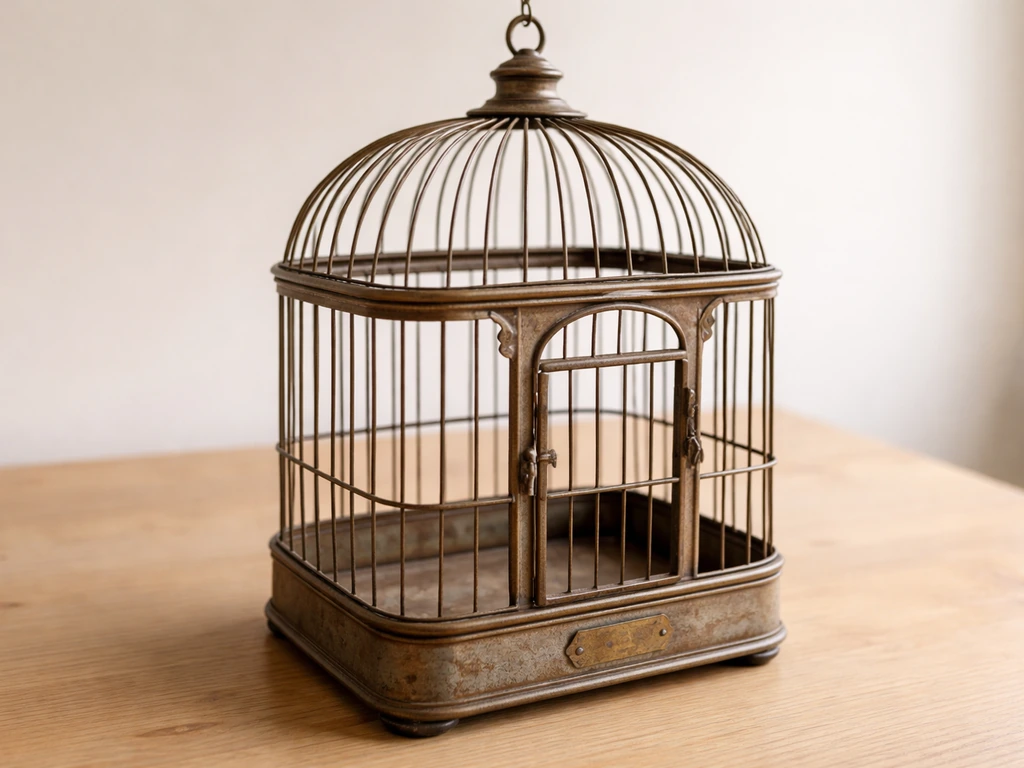
Where to look on a Hendryx cage for model and serial identifiers
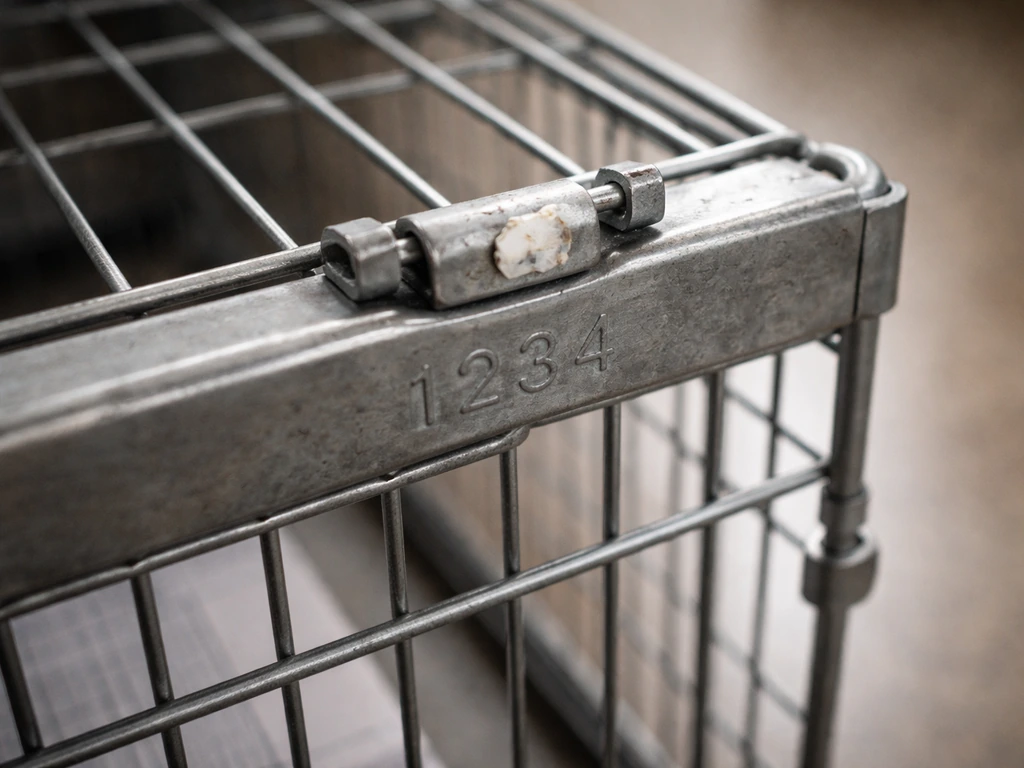
Prevue Hendryx cages don't always carry a stamped metal serial plate the way appliances do, so you're hunting for stickers, printed inserts, and molded markings rather than one obvious tag. Work through these locations in order, because the further down the list you go, the harder it gets.
- Original box and packaging insert: The model number and UPC are printed here, and Prevue's own replacement-part sheets say to keep this insert for exactly this reason. The insert often says 'Model: #' followed by a four-digit number like #1305.
- Instruction sheet: If you saved the assembly sheet, look at the top or bottom of the first page. Prevue Hendryx instruction sheets carry the model number on a clearly labeled line.
- UPC sticker on the cage itself: Check the underside of the removable bottom tray, the back corner of the base pan, and the inside of the seed-guard skirt. The sticker is usually white with a barcode and a six-digit prefix that identifies it as a genuine Prevue product.
- Seed guard and grate underside: Lift the seed guard and remove the wire grate. Turn both over and look for any printed or embossed markings. Older Hendryx cages sometimes have a small brand stamp pressed into the plastic of the grate.
- Door hardware and latches: On some older cage generations, a small stamped number appears on the door frame or hinge bracket. Use a flashlight at an angle to catch it.
- Weld and finish patterns: Not a serial number, but useful for rough era matching. Wire cages from the 1970s and 1980s used heavier gauge wire and simpler welds, while post-2000 models tend to have powder-coated finishes and more uniform welds.
One quick authenticity check before you spend time decoding anything: Prevue Pet Products confirms that if the number on the UPC sticker does not begin with their specific six-digit prefix, the product is not a genuine Prevue item. If your sticker's number doesn't match, you may be dealing with a cage that carries the Hendryx name but was distributed by a different seller, which changes what parts will fit.
How to decode the numbers and estimate the cage's age
Once you have a model number, the decoding process is pretty straightforward because Prevue Hendryx has used a fairly consistent numeric system for decades. Model numbers like #1305, #1378, or #3151 correspond to specific cage lines that the company has documented in their instruction sheets and on their website. Cross-referencing your number against current and archived Prevue listings will tell you the cage line, which narrows the manufacturing window significantly.
Prevue Hendryx does not publish a date code embedded in the model number itself, so you can't read a manufacture year directly off the digits the way you might with some electronics. Instead, use the model number to anchor a date range. Here's the practical approach:
- Search the exact model number on Prevue Pet Products' website (prevuepet.com) and check whether it is current, discontinued, or archived. Current listings usually show a first-available year in retail databases.
- Run the model number through a Google search combined with 'Prevue Hendryx' and a retail site name like PetSmart or Amazon. Product listing histories and archived pages often show the year a model debuted.
- Check the instruction sheet's own print date if you have it. Prevue's documented sheets sometimes carry a layout or print date in the footer (the #1305 sheet, for example, was formatted with a '9/12/12' timestamp in the document metadata).
- Look at the finish type. Hammertone finishes and chrome wire are associated with older lines (roughly pre-2005), while uniform powder coating in black, white, or antique colors is more common from the mid-2000s onward.
- Contact Prevue Pet Products directly. They have a Chicago, Illinois support office and encourage owners to call or email customer service with photos when identification is difficult. They will often tell you the approximate production era of a model from the number alone.
When labels are missing or unreadable: measure and match
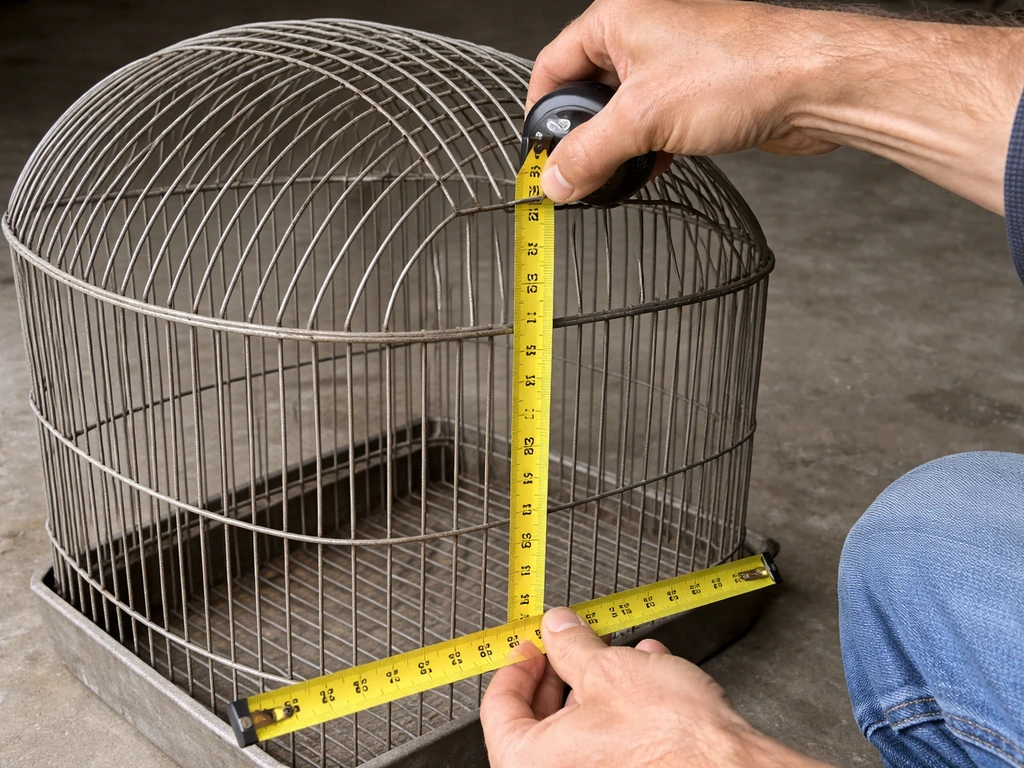
Stickers fade, grates get replaced, and plenty of second-hand Hendryx cages arrive with no documentation at all. If you've gone through every physical location and found nothing readable, switch to a measurement-and-comparison workflow. This is more work, but it almost always gets you to a usable model match.
- Measure overall dimensions: Record height (floor to top of the dome or flat roof), width, and depth to the nearest quarter inch. Include any stand if it's integrated.
- Measure bar spacing: Use a ruler to measure center-to-center spacing between vertical and horizontal wires. Common Prevue Hendryx spacings are 1/2 inch, 5/8 inch, and 3/4 inch, and these correspond to specific model families.
- Measure the bottom tray: Length, width, and depth of the tray matter because replacement trays are model-specific. Even a quarter-inch difference will cause a tray not to seat correctly.
- Note door count and placement: Single front door, double front doors, or a combination of side and top access points are reliable differentiators between cage lines.
- Compare your measurements against Prevue's current product specs on their website. Most listed cages include the bar spacing and tray dimensions. Work backward from the specs to find your model.
- If you narrow it to two or three possible models, email Prevue Pet Products' customer service with your measurements and photos. They specifically say they can help identify cages this way and recommend sending a picture if ID remains difficult.
One common point of confusion: older cages sold under the 'Hendryx' name and newer ones sold under 'Prevue Hendryx' or just 'Prevue Pet Products' are all the same manufacturer at different points in their branding history. Don't let the label variation throw you off. The company is continuous, and their support team can bridge the old and new naming.
Safety checks every older Hendryx cage needs before a bird goes back in
Before you worry about finding the right replacement tray or accessory, run a hands-on safety inspection. This matters more than the model number. An older cage can be perfectly serviceable, or it can be genuinely hazardous, and a quick check tells you which situation you're in.
Rust and wire corrosion
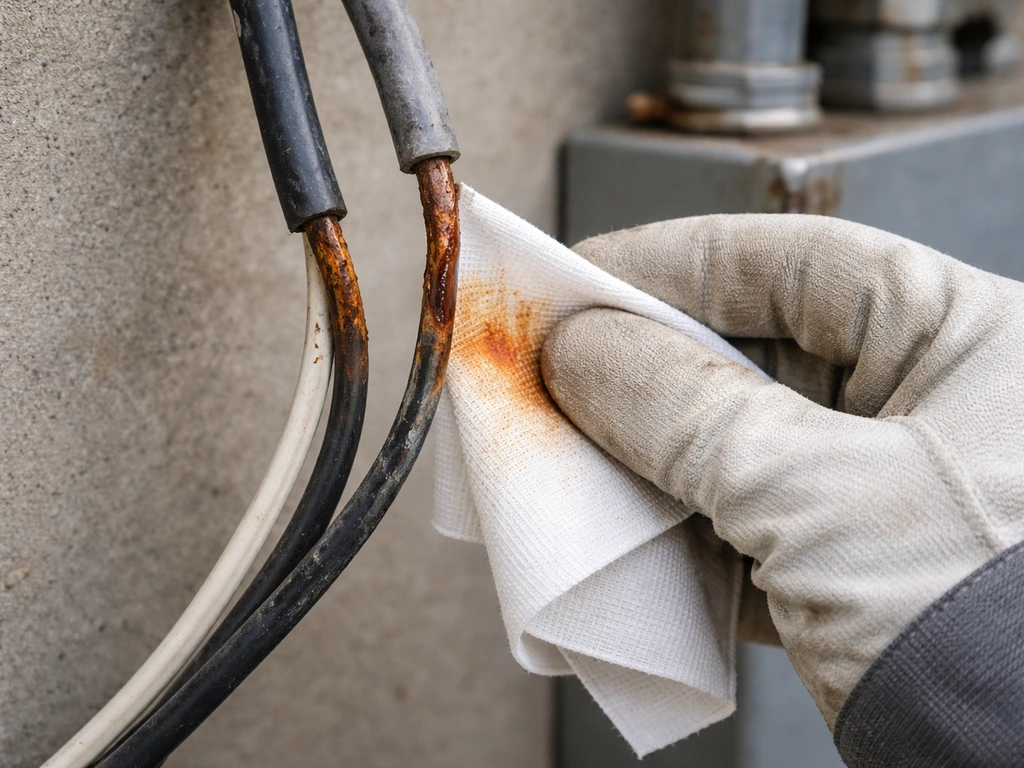
Run a dry white cloth along every wire section. Surface rust will leave an orange-brown streak. Deeper corrosion will feel rough or flaky. Light surface oxidation on galvanized wire that is otherwise structurally solid can often be addressed with a bird-safe rust converter, but any wire that flakes, crumbles, or has pitting should be treated as a replacement trigger. Corroded wire can leach zinc into food dishes and water, which is toxic to birds.
Paint and powder coat condition
Check for chipping, peeling, or bubbling finish, especially around welds and at the base where the tray sits. Birds chew on bars, and flaking paint is an ingestion risk. The older pre-powder-coat finishes used on some Hendryx lines from the 1980s and early 1990s are a bigger concern than modern powder coat. If the finish is chipping in multiple spots, refinishing with a bird-safe epoxy spray or replacing the cage is the safer call.
Bar spacing for your bird's size
This is non-negotiable regardless of the cage's age. If the bar spacing doesn't match your species' safety range, the cage isn't usable for that bird, full stop. A bird can get its head stuck in bars that are even slightly too wide, which can be fatal. Measure with a ruler, not by eye.
| Bird size/species | Safe bar spacing |
|---|---|
| Finches, canaries | 1/4 inch to 3/8 inch |
| Parakeets (budgies), parrotlets | 3/8 inch to 1/2 inch |
| Cockatiels, lovebirds, small conures | 1/2 inch to 5/8 inch |
| Medium parrots (Amazons, African Greys) | 5/8 inch to 3/4 inch |
| Large parrots (macaws, large cockatoos) | 1 inch to 1.5 inches |
Structural integrity
Push on the corners of the cage and feel for flex or wobble beyond what's normal for the design. Check every weld point by pressing with your thumb. A weld that gives, pops, or feels loose is a failure risk. Look at the door latches: a latch that doesn't click firmly closed is a bird escape or entrapment hazard and usually replacement-compatible across Prevue models. Check the stand bolts if the stand is integrated, and retighten anything that's worked loose.
Documenting what you find
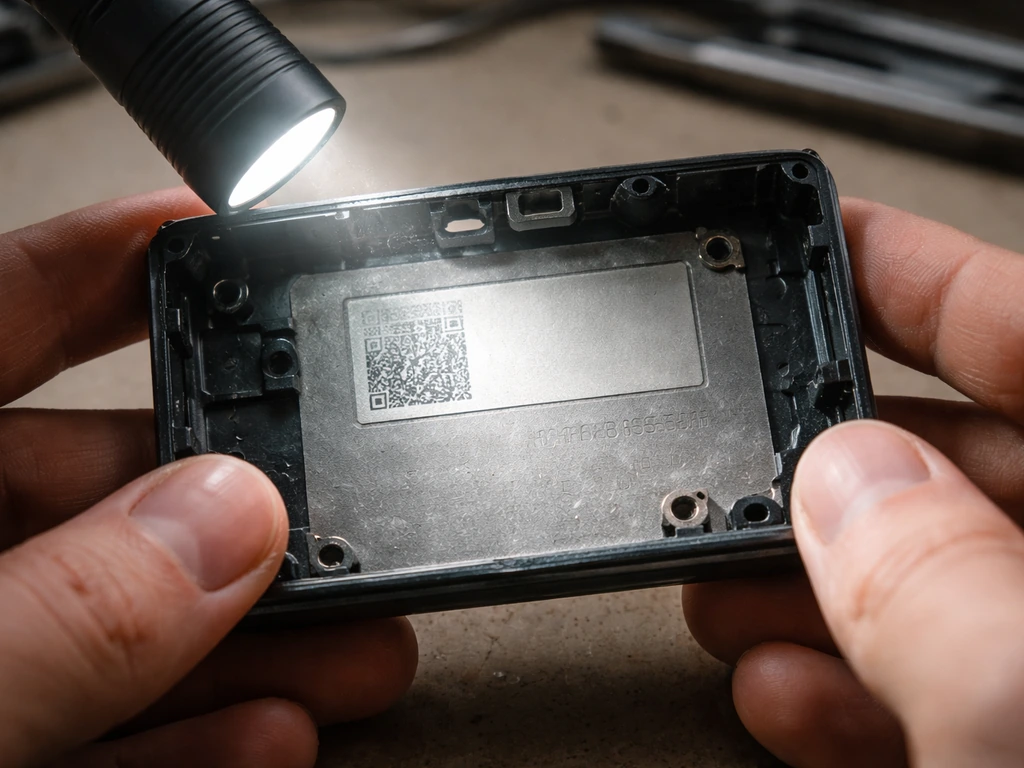
Taking five minutes to photograph and note your findings before you reassemble anything will save you hours later when you're ordering parts or calling customer service. If you still need help, follow the yaheetech bird cage assembly instructions for guidance on how the frame, tray, and bars go back together. Here's exactly what to capture:
- Photo of any visible label, sticker, or stamped marking (use a flashlight at a 45-degree angle to make faded text visible in the photo)
- Photo of the overall cage from each side, showing the door configuration and any stand
- Close-up photo of the bar spacing with a ruler in frame
- Photo of the bottom tray with a tape measure showing length, width, and depth
- Photo of any rust, chipping paint, or structural damage
- A simple notes document (even a phone note) listing: overall dimensions, bar spacing, tray dimensions, number of doors, finish color and type, and any model numbers found
Keep this documentation somewhere you won't lose it. Prevue Pet Products' own replacement-part instruction sheets tell customers to hold onto ID materials for exactly this purpose, and having your photos ready means a support call takes minutes instead of requiring a second round of disassembly. Prevue Pet Products' replacement-part instruction sheets also advise keeping the Model Number or UPC information from the packaging/insert for support and reference blank" rel="noopener noreferrer">hold onto ID materials. If you email Prevue's customer service, attach your dimension notes and at least three photos: overall cage, label close-up, and tray. If you want the cage back up quickly, follow the zeny bird cage assembly instructions that match your exact model and included hardware.
Refurbish, replace, or reconfigure: how to decide
The cage's age is really just context. The safety inspection tells you what actually matters. Use this checklist to make the call:
| What you found | Recommended action |
|---|---|
| Surface rust only, no flaking; finish intact; all welds solid; correct bar spacing | Refurbish: clean, touch up finish with bird-safe paint, replace worn accessories |
| Minor chipping in one or two spots; no rust; structure solid | Refurbish with targeted finish repair; monitor for spreading |
| Multiple areas of flaking paint or pitting rust; structure still solid | Replace the cage; the finish risk outweighs the structural value |
| Loose welds, bent bars, or door latch failure | Replace: structural failures are not safely repairable in a bird cage |
| Wrong bar spacing for your bird's current size or species | Replace or reconfigure; bar spacing cannot be modified safely |
| Cosmetic wear only; everything else passes safety check | Refurbish freely: new tray liner, perches, dishes, and a cage cover are all you need |
Finding compatible accessories and replacement parts
Once you have your model number (or your confirmed measurements), ordering compatible parts is much simpler. Once you’ve identified the correct cage model, you can use the bird cage assembly instructions that match that specific frame and tray setup. blank" rel="noopener noreferrer">Prevue Pet Products sells replacement trays, grates, and hardware directly through their website and through major pet retailers.
When ordering, always give both the model number and the tray dimensions, because some replacement trays fit multiple models and the supplier may need both data points to confirm the right fit. For accessories like perches, dishes, and cage covers, the internal dimension measurements you took are more reliable than the model number alone, since cover sizes are based on cage dimensions rather than model codes.
If you're unsure between two tray sizes, go with the one that matches your measured depth, because a tray that's even a quarter inch too deep won't seat flush and will create a gap the bird can access.
If you're coming to this from a different cage brand and wondering how Hendryx identification compares, the general process shares a lot in common with identifying cages from other manufacturers: locate the label, match dimensions, and contact customer service with photos. The specific label locations and model-number formats will differ, but the systematic approach is the same.
When the cage truly can't be identified
If you've exhausted every location, taken measurements, and Prevue's customer service still can't pin down the model, treat it as an unverified cage and apply stricter safety standards: run the full safety inspection, assume the finish needs evaluation, and verify bar spacing against your specific bird before use. If identification is still difficult after taking photos, Prevue Pet Products advises emailing their customer service with the picture to get help identifying the cage email customer service.
A cage that passes all safety checks is usable regardless of whether you ever find its exact model number. If you need help assembling the cage afterward, use the model-specific mcage bird cage assembly instructions that match your exact unit. The model number is a tool for finding parts, not a certification of safety. Your hands-on inspection is the certification.
FAQ
What should I do if my Hendryx cage has no label, no box, and no visible UPC? Can I still identify the model and date it?
If you cannot find any sticker or printed code, you can still date it indirectly by matching dimensions to documented Prevue/Hendryx lines, then confirm with parts compatibility. Measure bar-to-bar spacing, tray depth and width, and door style (hinge type and latch location), because these features tend to change by cage line over time even when labels are gone.
How can I locate model markings if the sticker is faded or mostly removed?
Yes, but treat it as a longer process. Look for mold or plastic-molded markings on the tray rim, underside of the base, and inside edges near welds, then clean with a dry brush first (avoid harsh solvents that can remove residue but also blur printed codes). If numbers only show under certain angles, use a flashlight at a low angle to reveal faint ink or molded text.
Can I figure out the approximate manufacturing year just by the cage’s appearance?
Most of the time you should not rely on a visual “look” alone, because different lines can share similar shapes. Use a two-step check: confirm model/label or at least tray dimensions, then verify bar spacing and finish condition before use. For dating, anchor to the closest model match you can verify, then narrow using parts availability dates from current listings and replacement-grate styles.
What does it mean if the UPC number prefix does not match Prevue’s prefix, and does it affect part compatibility?
If the UPC sticker prefix does not match Prevue’s six-digit starting prefix, the safest assumption is that it is not a genuine Prevue-manufactured item for which their official part listings apply. You can still use your measurements to find compatible tray/grate sizes, but expect variability in fit, and confirm safety after installation (especially tray seating and door latch alignment).
If I find a model number, do I still need to inspect the cage for safety and rust?
Don’t assume the model number determines safety. A cage can be from the right line but still be unsafe due to corrosion, paint damage, or altered bar spacing. Always do the wire rust check, finish-chipping check, and bar-spacing measurement for your specific bird before you decide it is “dated correctly” and usable.
When ordering replacements, should I trust the model number or my measurements, especially for trays and cage covers?
Tray measurements are often more reliable than the model code when ordering accessories like covers, because cover sizing is typically based on internal dimensions. Measure the internal tray platform and the usable cover opening area, then compare to the supplier’s dimension spec. If you order a tray-first replacement, verify it seats flush with no gap at the access area.
If I order only a replacement tray or grate, how do I confirm the cage will still be safe and properly fitted?
If you replace bars or a grate, keep the original wiring and base condition in mind. Mix-and-match parts can work, but only if the latch mechanism, tray guides, and grate dimensions match your frame. After replacement, re-check door closure firmness and ensure the grate sits without rocking or creating pinch points.
What photos and measurements should I take to get faster help from Prevue customer service if I can’t date the cage myself?
Photograph the exact label close-up (even if faded), the underside of the tray, and any secondary marks you find, plus at least one shot that shows the whole cage from the front and side. Also record bar spacing and tray dimensions with a ruler in one photo, because customer service can sometimes confirm the model faster from measurement and layout than from the text alone.
Do I need to know the exact manufacturing date to safely use the cage?
If the cage passes safety checks, you can use it regardless of whether you ever confirm the exact manufacturing model. Treat it like an unverified cage for parts ordering: use strict safety inspection and only buy parts based on dimensions and fit confirmation. The “date” matters mainly for sourcing parts, not for certifying safety.
What are the most common mistakes people make when trying to identify a Hendryx cage and order parts?
Yes, and the most common mistake is using bar spacing by eye rather than measuring. Another frequent error is swapping in a replacement tray that is slightly too deep or not seated properly, which can leave gaps or interfere with latch closure. Always measure bar spacing with a ruler, verify tray seating after installation, and confirm latch engagement by testing closure firmness.
Next Article
Zeny Bird Cage Assembly Instructions: Step by Step Setup
Step by step zeny bird cage instructions for safe setup, parts, tools, tray and door install, checks, and fixes for issu