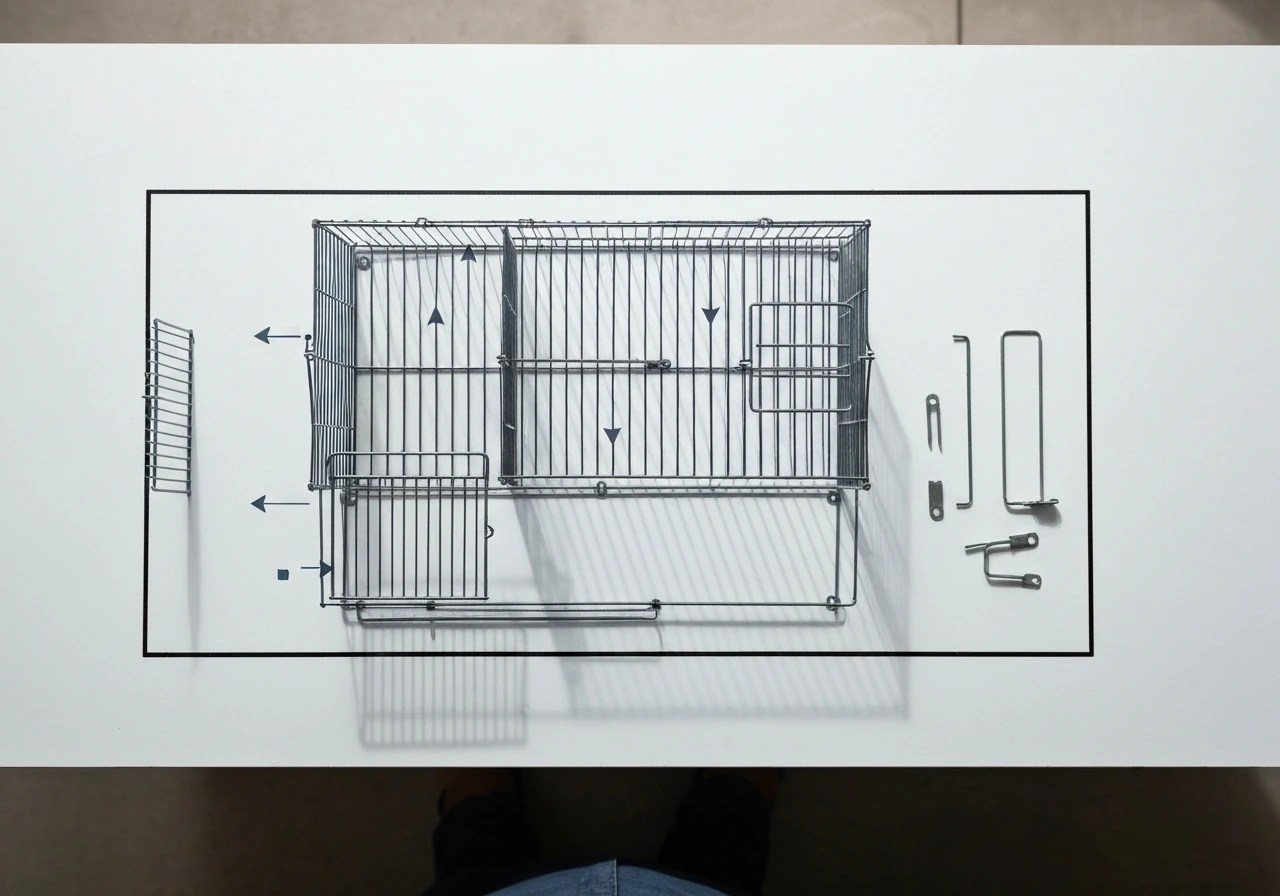
No, caging a wild bird is not a standalone setup the way you would for a pet parrot or canary. If you found a wild bird and you're wondering whether to set it up in a proper cage, the answer is: don't treat it like a new pet. Wild birds in most countries are protected by law, and keeping one long-term is illegal without a special license. What you're actually dealing with is a short-term wildlife emergency, and your job right now is to safely contain the bird, minimize stress, and hand it off to a licensed wildlife rehabilitator as fast as possible.
Is to Cage a Wild Bird a Standalone? What to Do Today

Maya Bennett
11 May 2026
What 'caging a wild bird' actually means (and why it matters)
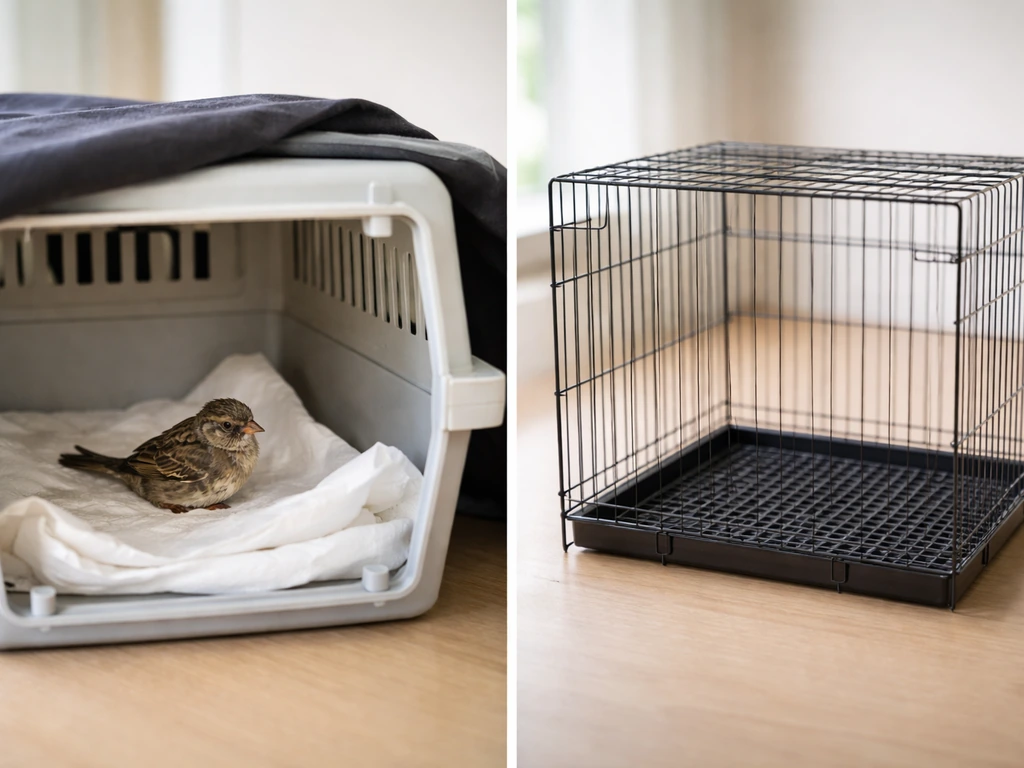
There are two very different situations people mean when they talk about caging a wild bird. The first is temporary containment: you found a bird that's injured, stunned, or clearly in trouble, and you need to keep it safe for a few hours while you arrange help. The second is keeping a wild bird as a pet, giving it a permanent enclosure, customizing it with perches and toys, and integrating it into your home. That second scenario is almost always illegal, and it's genuinely harmful to the bird.
This site normally covers cage setup, safe materials, and DIY builds for domestic pet birds, and a lot of that knowledge transfers to a temporary holding situation. But the critical difference is the end goal. For a pet bird, you're optimizing for long-term comfort and enrichment. For a wild bird, you're optimizing for minimal human contact, reduced stress, and a fast handoff to professionals. Customizing a cage for a wild bird as if it were a standalone pet setup will actually hurt the animal.
When caging is allowed vs when it's unsafe or illegal
In the United States, the Migratory Bird Treaty Act protects almost all wild native bird species. That means it's illegal to capture, possess, or keep them without a federal permit. This isn't a gray area: it covers songbirds, raptors, shorebirds, waterfowl, and most of the birds you're likely to find in your yard. Canada, the UK, Australia, and most of Europe have similar laws. The only situation where a regular person is legally in the clear is very short-term emergency containment while actively seeking help from a licensed wildlife rehabilitator.
The U.S. Fish and Wildlife Service is also clear that public intervention is only justified when there are obvious signs of injury or when you find young birds with a dead parent nearby. A bird sitting on the ground is not automatically in trouble. Fledglings (young birds that have left the nest but can't fly well yet) are often on the ground normally, with parents nearby. Picking them up and caging them does more harm than leaving them alone. Increased stress from human handling can reduce a wild bird's chance of survival, even if you mean well.
| Situation | Caging Appropriate? | What to Do |
|---|---|---|
| Bird hit a window and is stunned | Yes, briefly | Contain in a box, wait 1-2 hours, release if recovered |
| Bird with visible injury (broken wing, bleeding) | Yes, temporarily | Contain and contact a wildlife rehabilitator immediately |
| Fledgling on the ground, no injury | No | Leave it alone or return to nearby nest |
| Baby bird (no feathers) out of nest | Minimal handling | Try to return to nest; if not possible, call a rehabber |
| Healthy adult bird in your yard | No | Do not intervene; it's illegal and harmful |
| Bird kept as a pet (no license) | Illegal | Contact your local wildlife authority |
What to do right now if you found a wild bird
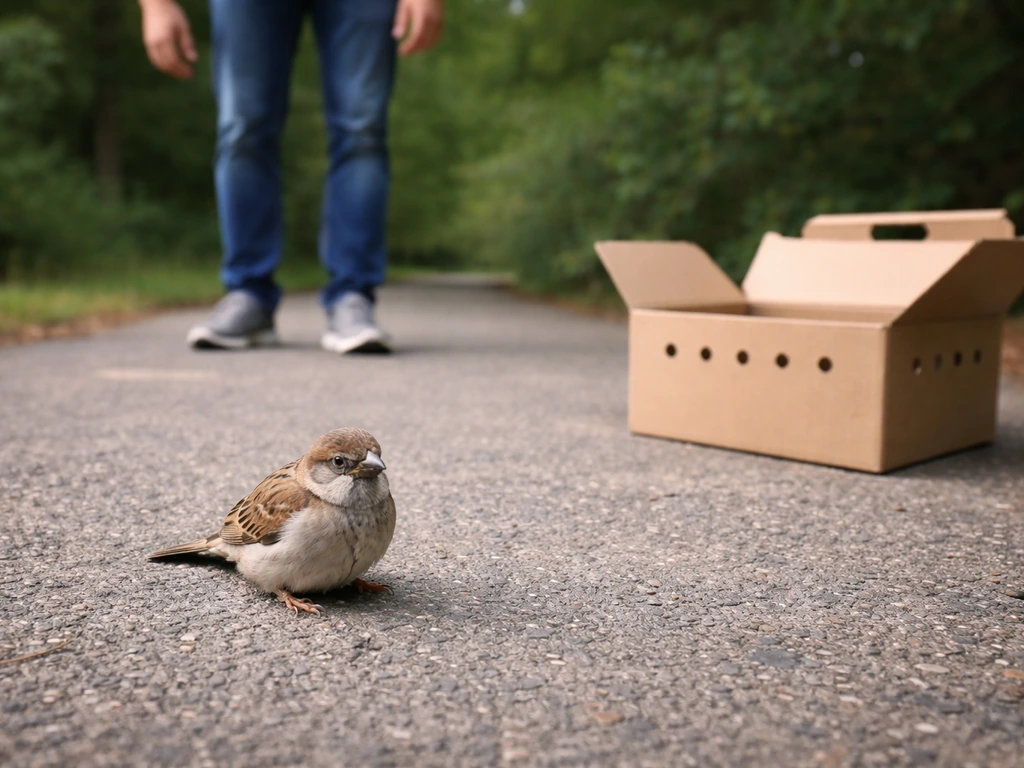
Here's the sequence to follow today, in order. Speed matters, but so does doing this correctly.
- Don't pick the bird up immediately. Observe for a minute. Is it actually injured? Is it a fledgling that might just be learning to fly? If it's hopping around and looks alert, it probably doesn't need your help.
- If it's clearly injured or in danger (from a cat, a road, a window strike), gently pick it up using a light cloth or gloves to reduce scent transfer and stress. Avoid squeezing the body.
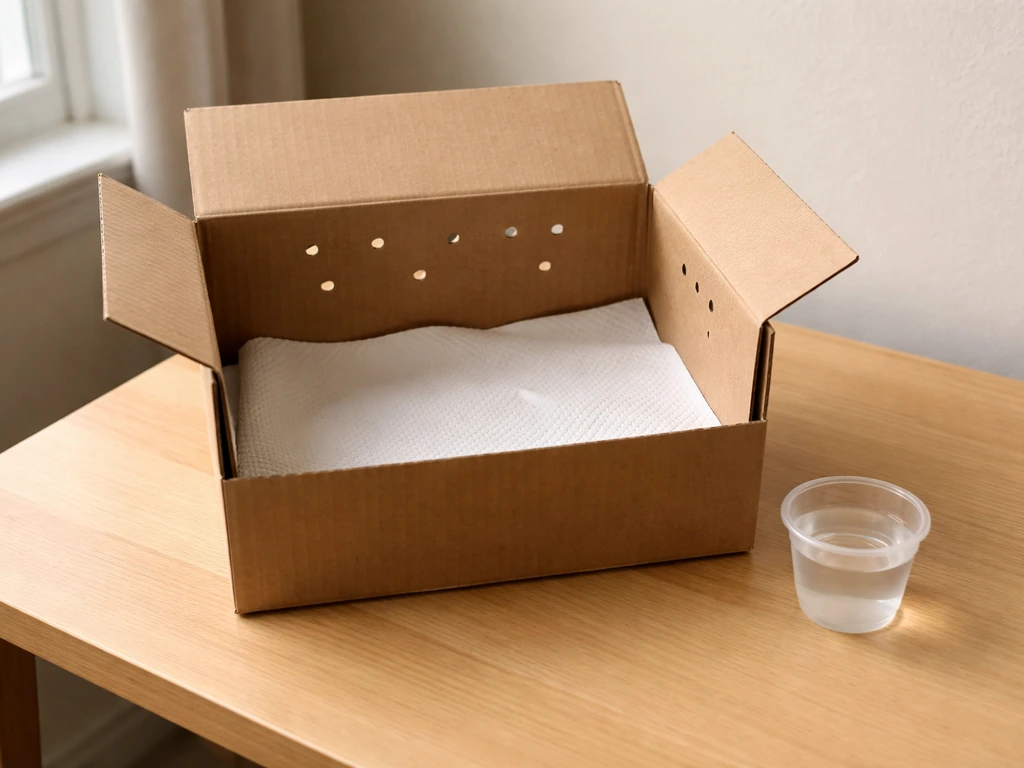
- Place it in a cardboard box with ventilation holes punched in the sides. Line the bottom with a clean cloth or paper towel so the bird has traction.
- Put the box somewhere quiet, away from pets, children, and noise. Keep it at room temperature, or slightly warm (around 80 to 90°F) if the bird appears to be in shock.
- Do not offer food or water. The U.S. Fish and Wildlife Service is explicit on this: feeding injured or orphaned wildlife without expert guidance can cause serious harm.
- Call a licensed wildlife rehabilitator. In the U.S., you can find your nearest rehabber through the National Wildlife Rehabilitators Association (NWRA) or by searching your state's fish and wildlife agency website. Audubon's guidance also recommends contacting a local rehabilitator as the first real action after safe containment.
Setting up a safe short-term enclosure
A proper pet cage is actually the wrong choice for a wild bird in temporary holding. The wire bars, open sightlines, and reflective surfaces create stress and can cause the bird to injure itself trying to escape. What you want is a dark, enclosed, ventilated container that limits the bird's world and keeps it calm.
The right container
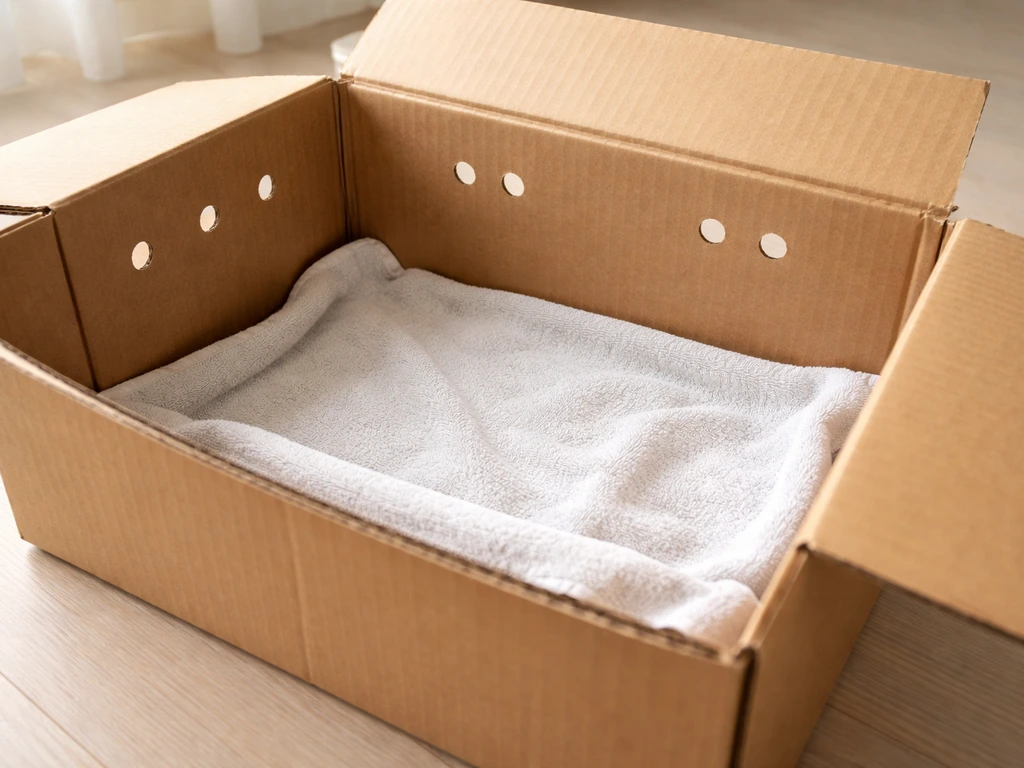
A cardboard box is the standard go-to for small to medium birds. For larger birds like crows, pigeons, or waterfowl, a plastic storage bin with a secure lid works better. Punch or drill ventilation holes in the upper sides and lid, at least 10 to 15 holes about the size of a pencil eraser. The holes need to allow airflow without being large enough for the bird to catch a beak or claw. Keep the interior dark: darkness reduces panic and slows the bird's heart rate. A cloth draped over the box (not blocking vents) helps with this.
Interior setup
- Line the bottom with a non-slip surface: a folded paper towel, clean cloth, or thin layer of shredded paper. Birds need traction or they develop leg strain.
- Do not add perches, toys, food bowls, or water dishes. This isn't a pet setup. Extra items add stress and injury risk.
- Do not add a heat lamp directly inside the box. If warmth is needed, place a warm (not hot) water bottle wrapped in a cloth under one half of the box floor so the bird can move away from it if needed.
- Keep the box horizontal and stable. Do not tilt or shake it.
DIY materials, placement, and seasonal protection
Since this site is built around DIY cage work, here's how that knowledge applies to a temporary wild bird situation. If you are trying to follow an of bird and cage walkthrough, treat it as temporary holding only and focus on getting a licensed wildlife rehabilitator involved right away DIY cage work. You don't need to build anything elaborate, but you do need to think about materials, location, and temperature control.
Safe materials
Stick with plain cardboard, untreated natural wood, or food-grade plastic containers. Avoid anything with chemical coatings, paint, adhesive residue, or strong odors. A bird in a stressed state is more sensitive to fumes than a healthy pet bird. If you're improvising a container from hardware materials, the same rule applies as with pet cage builds: no galvanized wire with zinc coating, no treated lumber, no cedar or pine with aromatic oils.
Placement
Keep the container indoors, away from direct sunlight, air vents, and any room where other pets can approach it. A quiet bathroom, laundry room, or spare bedroom works well. Avoid garages because of fumes from vehicles and chemicals. If you're holding the bird overnight (which you should avoid if at all possible), maintain ambient temperature between 70 and 85°F. In winter, this may mean keeping it away from exterior walls. In summer, avoid any spot that gets afternoon sun through a window.
Mess control
Birds will defecate frequently, especially when stressed. Change the liner (paper towel or cloth) if it gets saturated, but minimize how often you open the box. Each time you open it, you reset the bird's stress level. A quick swap of the bottom liner with minimal light exposure is the right approach. Use disposable gloves and wash your hands after any contact.
Common mistakes that make things worse
Most of the mistakes people make with wild birds come from applying domestic pet logic to a wildlife situation. Here's what to avoid:
- Feeding the bird: Do not give bread, seeds, fruit, or water unless a licensed rehabber specifically instructs you to. Wrong food can cause aspiration, metabolic issues, or worse. Chintimini Wildlife Center's guidance is consistent with the USFWS on this.
- Using a pet bird cage: Wire cages with open bar spacing cause the bird to batter itself trying to escape. It will also injure feet and beaks on the bars.
- Keeping it in a bright, busy room: This is the opposite of what a stressed bird needs. High traffic and noise cause a sustained stress response that can be fatal.
- Covering the box completely with no airflow: A cover is good for darkness, but it must not block ventilation holes. Overheating is a real risk.
- Handling the bird repeatedly to check on it: Every time you pick up the bird, you're a predator to it. Limit physical contact to the minimum required.
- Waiting too long to contact a rehabber: The temporary container buys you hours, not days. If you're holding a wild bird overnight with no plan, that's the wrong outcome.
- Assuming it needs water because it's hot: A stunned or injured bird can aspirate water. Leave hydration to the professionals.
Troubleshooting common scenarios
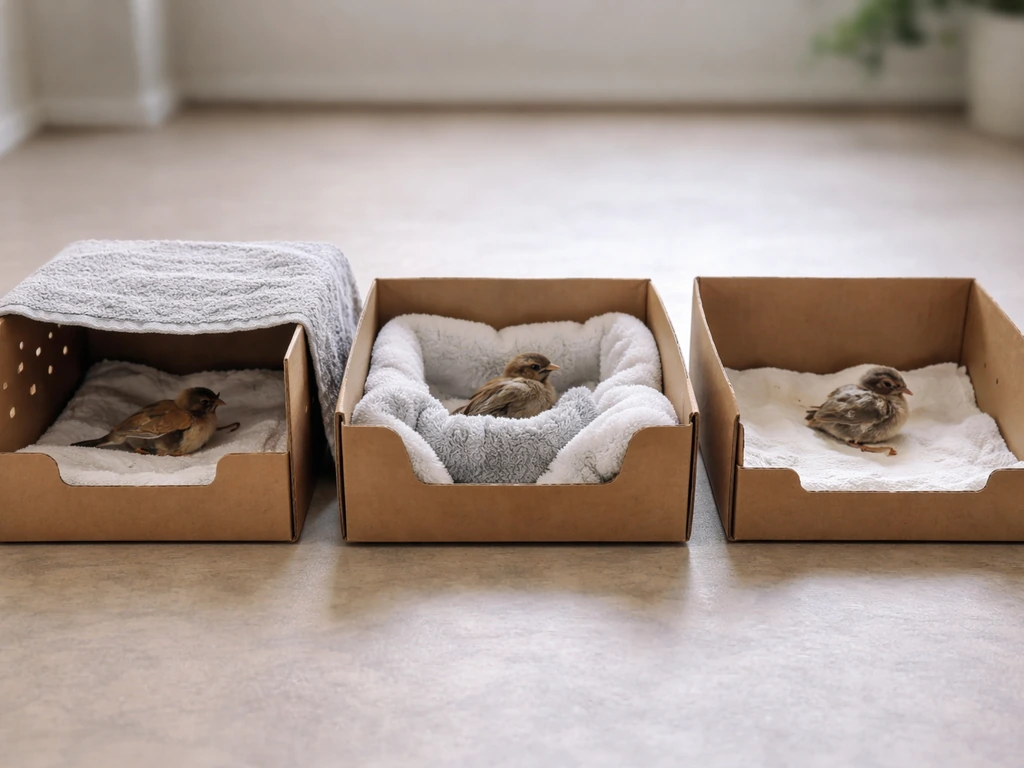
Stunned bird (window strike)
This is actually the most straightforward situation. Place the bird in a ventilated box in a quiet room. Wait one to two hours. Many window-strike birds recover fully on their own. After that time, take the box outside, open it slowly, and see if the bird flies off. If it doesn't, or if it's still disoriented, contact a wildlife rehabber. Do not try to nurse it for days on your own.
Visibly injured bird (broken wing, leg, bleeding)
Contain it using a cloth to minimize handling, place in a dark ventilated box, and call a rehabber immediately. After a broken wing or leg, people often search for a broken bird cage drawing to visualize what went wrong, but the priority is safe containment and getting professional help. Do not attempt to splint or bandage the injury yourself. Do not give food or water. This bird needs professional care, and the faster you make the call, the better the outcome. Keep the room quiet while you wait for instructions or transport.
Fledgling on the ground
Fledglings look like they're in trouble but usually aren't. They have most of their feathers, they hop around, and their parents are almost always watching from nearby. The best thing you can do is leave it alone and keep cats and dogs away from the area. If you've already picked it up, place it back on the ground or on a low branch nearby. The parent will continue to feed it. The myth that human scent causes parents to abandon their young is false for birds.
Nestling (naked or barely feathered baby bird)
If you can find the nest, place the bird back in it. If the nest is destroyed or unreachable, you can create a makeshift nest from a small container lined with dry grass or tissue and secure it in a tree near where you found it. Watch from a distance for at least an hour to see if a parent returns. If no parent comes, or if the bird is very cold or injured, contact a wildlife rehabber.
Active, uninjured bird that got inside your home
Don't chase it. Close interior doors, open one window or exterior door as wide as possible, darken the rest of the room by closing blinds, and wait. Most birds will find the light and exit on their own within minutes. If it's been more than an hour and the bird is panicking or exhausted, use a light towel to gently catch it and carry it outside.
When to escalate to professionals immediately
- Any bird of prey (hawk, owl, falcon): these birds have powerful talons and require specialist handling
- Any bird showing neurological signs: spinning, seizures, inability to hold up its head
- A bird that has been in a cat's mouth: even a small puncture causes infection that's fatal within 24 to 72 hours without antibiotics
- A bird that hasn't recovered from a window strike after two hours
- Any situation where you're unsure: call first, act second
Your action checklist for today
- Assess the bird before touching it: is it actually in danger, or just a normal fledgling?
- If intervention is needed, use a cloth to gently contain the bird with minimal handling
- Place it in a ventilated, dark cardboard box with a non-slip liner
- Find a quiet, temperature-stable room away from pets and noise
- Do not feed, water, or repeatedly handle the bird
- Search for your nearest licensed wildlife rehabilitator and call them now
- Follow their specific instructions for transport or home holding if they're unavailable immediately
- Do not set up a permanent cage, add enrichment, or treat the bird as a pet at any stage
The DIY skills this site covers, including safe enclosure materials, ventilation, and temperature control, are genuinely useful here, but only in service of a temporary, low-intervention setup. The moment you start thinking about this as a standalone cage project for a new bird resident, you've crossed into territory that's both harmful to the animal and legally risky for you. Keep the timeline short, keep your hands off as much as possible, and get a professional involved as fast as you can.
FAQ
If I only cage a wild bird for a day or two, is it still not a standalone setup?
Not if you mean keeping the bird as a new resident. Even a few days can count as possession, and most protections cover capture and keeping, not just long-term housing. Treat it as temporary containment only while you arrange pickup by a licensed rehabilitator.
Can I use my regular pet bird cage temporarily if I remove the extras?
Yes. If the goal is to reduce panic and prevent injury, “quiet and dark” matters more than having a full pet-cage layout. Skip perches, toys, and food bowls intended for long-term comfort, and focus on a ventilated, enclosed container that minimizes movement and reflections.
Is it okay to keep a caged wild bird overnight while I wait for a rehabber?
It can, but only as part of short-term containment. If you cannot keep the container at a safe ambient temperature (about 70 to 85°F indoors) or the bird is injured and you need immediate help, do not extend holding time. The safest approach is to call a wildlife rehabber and follow their instructions for where and how to keep the bird while waiting.
Should I offer water or seeds while the bird is in the dark container?
Many shelters and rehabilitators will tell you to avoid feeding unless they ask. The article advises not giving food or water because stressed wild birds can aspirate or have the wrong diet for their species. If you must transport, follow the rehabber’s guidance rather than guessing.
How often should I open the box to check on the bird?
Yes, because it raises stress every time the bird becomes aware of you. Change liners as needed, and limit how often you open the container. If you need to check status, do it quickly with minimal light exposure.
What should I do differently for a bird that hit a window versus an injured bird?
For a window-strike bird, a good rule is to watch without ongoing handling. Let the bird stay in the dark ventilated container for about one to two hours, then take it outside and open slowly. If it still cannot fly or remains disoriented, contact a rehabber rather than continuing DIY care.
How can I tell whether a ground bird needs caging or can be left alone?
Often. A bird sitting on the ground may be normal fledgling behavior, but a truly injured bird usually shows clear signs like bleeding, an inability to stand, severe limping, or obvious wing damage. If you are unsure, use the low-intervention approach (keep pets away, avoid handling, and call rehab if needed) rather than immediately caging.
I picked up what I thought was an injured baby bird. What should I do now?
If you already picked it up and it is a fledgling, placing it back on the ground or a low nearby branch is usually the better move, parents are typically watching from close by. Only contact a rehabber urgently if it is cold, clearly injured, or being threatened by cats, dogs, or traffic.
Why is a pet-style cage especially risky for a wild bird?
The risk is not just legality, it is also injury. The article explains that pet-style cages can increase stress through sightlines, reflections, and wire bars, which can lead to frantic escape behavior. A dark, enclosed, ventilated container is the safer temporary option.
At what point does temporary containment stop and professional care become urgent?
Contact a licensed wildlife rehabilitator even if you are “doing everything right” with containment, especially after injuries like broken wings or legs. Don’t attempt splinting, bandaging, or feeding, because those actions can worsen damage and delay proper treatment.
Next Article
Broken Bird Cage Drawing Guide to Repair and Replace Safely
Fix a broken bird cage with a repair plan diagram: identify parts, swap panels, re-fit bars, secure doors, and prevent r