Most bird cage problems fall into one of six categories: safety hazards (bar spacing, toxic materials, escape risks), mess and odor buildup, poor placement (drafts, heat, cold, light), pests like mites or mold, worn or poorly configured accessories, and a cleaning routine that simply isn't keeping up. The fix for each one is different, so the fastest path to solving your problem is a quick diagnostic run before you start swapping things out. If you’re doing a walkthrough of your bird’s setup, use this checklist to pinpoint the exact issue and the right fix diagnostic run.
Bird Cage Problem: Diagnose Issues and Fix the Cause Fast

Maya Bennett
1 Jun 2026
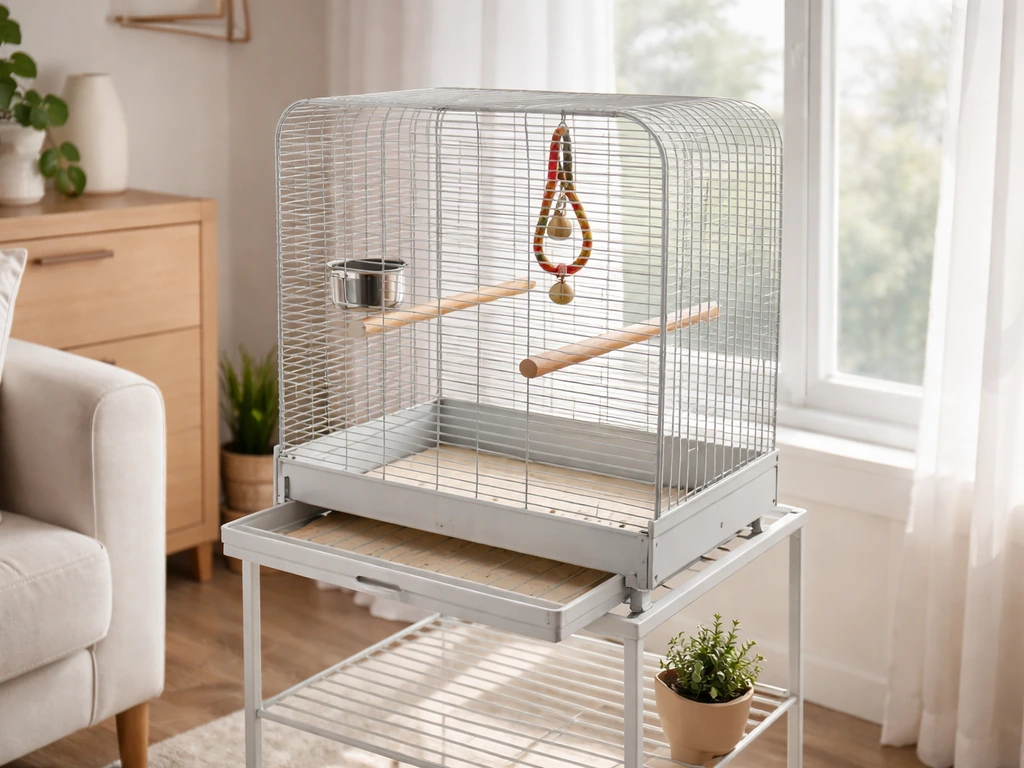
Quick diagnostic: figure out what's actually wrong
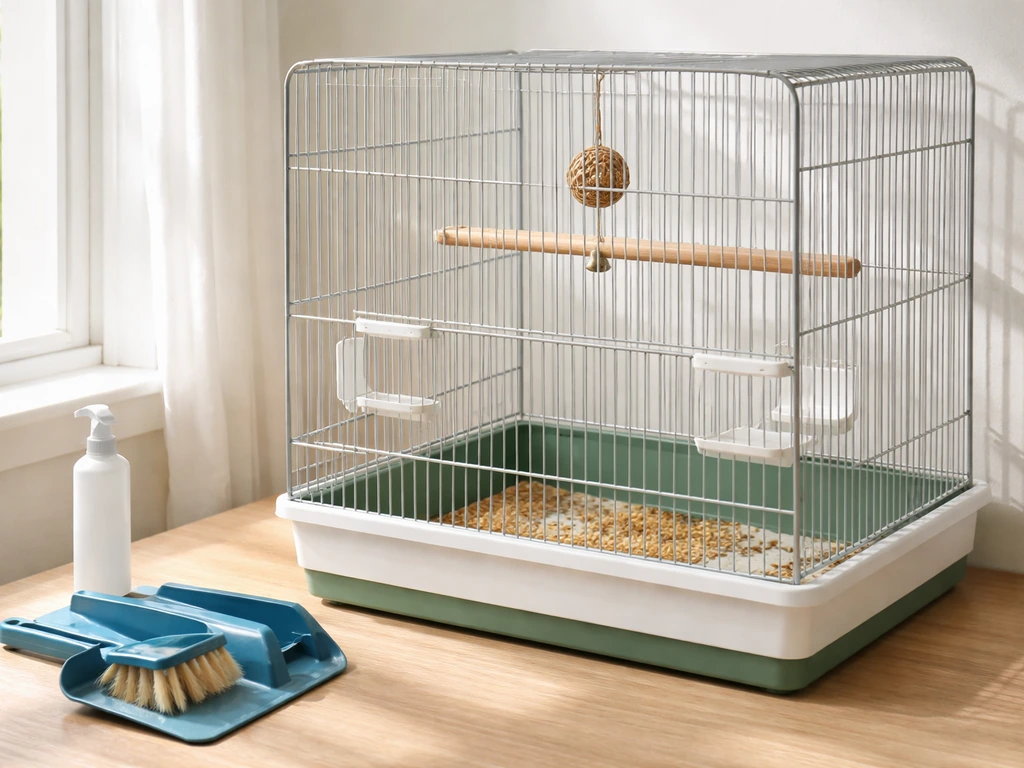
Before you change anything, spend five minutes going through this checklist. Identifying the real problem saves you from making unnecessary changes that could stress your bird further. Work through each category and note what you find.
| Symptom you're seeing | Likely category | Jump to section |
|---|---|---|
| Strong smell even after recent cleaning | Mess/odor buildup or pest issue | Cleaning & mess control |
| Bird keeps escaping or getting head/feet stuck | Bar spacing or door latch failure | Safety first checks |
| Feather condition looks poor, bird is scratching constantly | Mites, lice, or humidity problem | Pests and contamination |
| Bird seems stressed, fluffed, or lethargic near cage | Temperature, draft, or placement issue | Placement and seasonal protection |
| Chipped or flaking paint, rust spots on bars | Toxic materials risk | Safety first checks |
| Perches slippery, toys falling, door hard to open/close | Accessory and customization issue | Cage customization troubleshooting |
| Droppings look watery, discolored, or foul-smelling | Diet, stress, or illness (escalate if persistent) | Maintenance plan & when to escalate |
One quick note on droppings: normal parrot and small-bird droppings are essentially odorless. If yours smell strongly, that's a sign of excessive buildup rather than a normal variation. Diet and water intake do change the color and consistency of droppings, so a one-off change isn't always alarming, but a persistent foul odor combined with unusual color or consistency warrants a vet call, not just a cage scrub.
Safety first checks
This is the highest-priority category because a safety problem can injure or kill your bird fast. Run through these four checks before anything else.
Bar spacing
The Merck Veterinary Manual recommends 0.5 inches (1.3 cm) bar spacing for budgerigars, cockatiels, lovebirds, and parrotlets. Larger parrots need wider bars but the rule is always the same: use the narrowest spacing that prevents head and limb entrapment for your specific species. Grab a ruler and measure your bar spacing right now. If you're outside the recommended range for your bird's species, the cage needs to be replaced or the bird needs to be moved to a safe enclosure while you source a new one. This is not a DIY fix you can patch around.
Materials and coatings
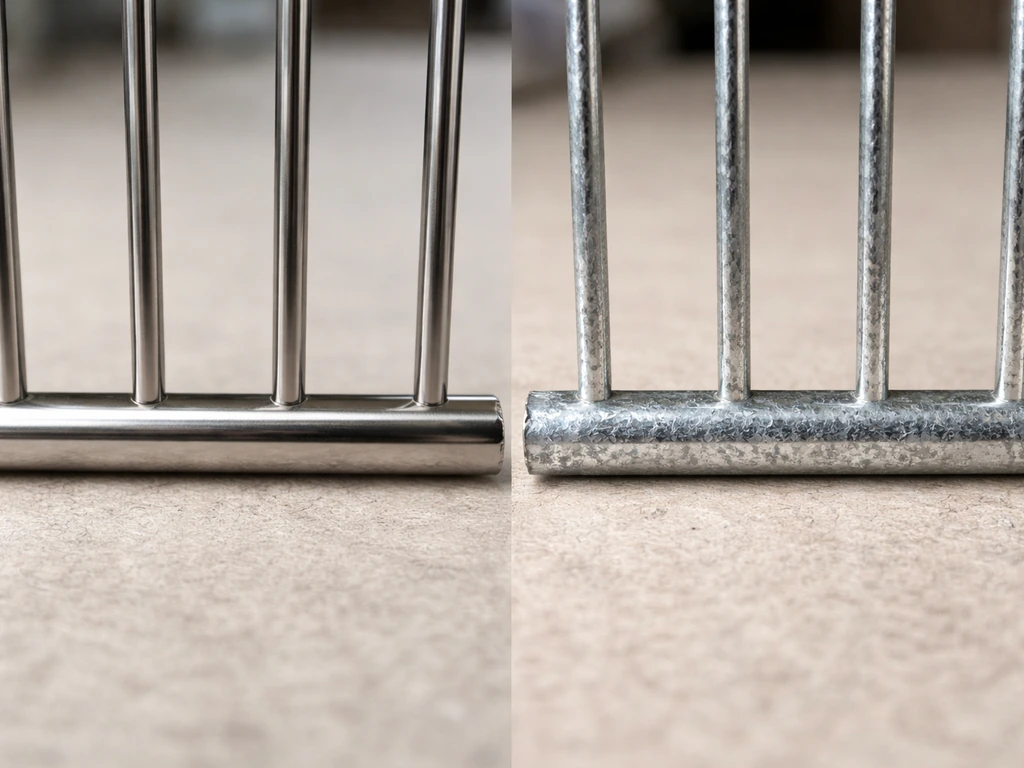
Galvanized metal is a real toxicity risk. Galvanized coatings can contain up to 99.9% zinc, and the coating can also contain lead. If your bird chews the bars (which many parrots do constantly), flaking or worn galvanized coating means direct heavy-metal exposure. Look for any chipped paint, rust spots, or visibly worn coating on the bars, welds, and hardware. Rusted steel bars can also leach toxic compounds from paint primer. If you see rust or flaking, pull the bird out of that cage today and use stainless steel or powder-coated cages with food-safe, bird-safe coatings instead. Stainless steel is the safest long-term material.
Ventilation
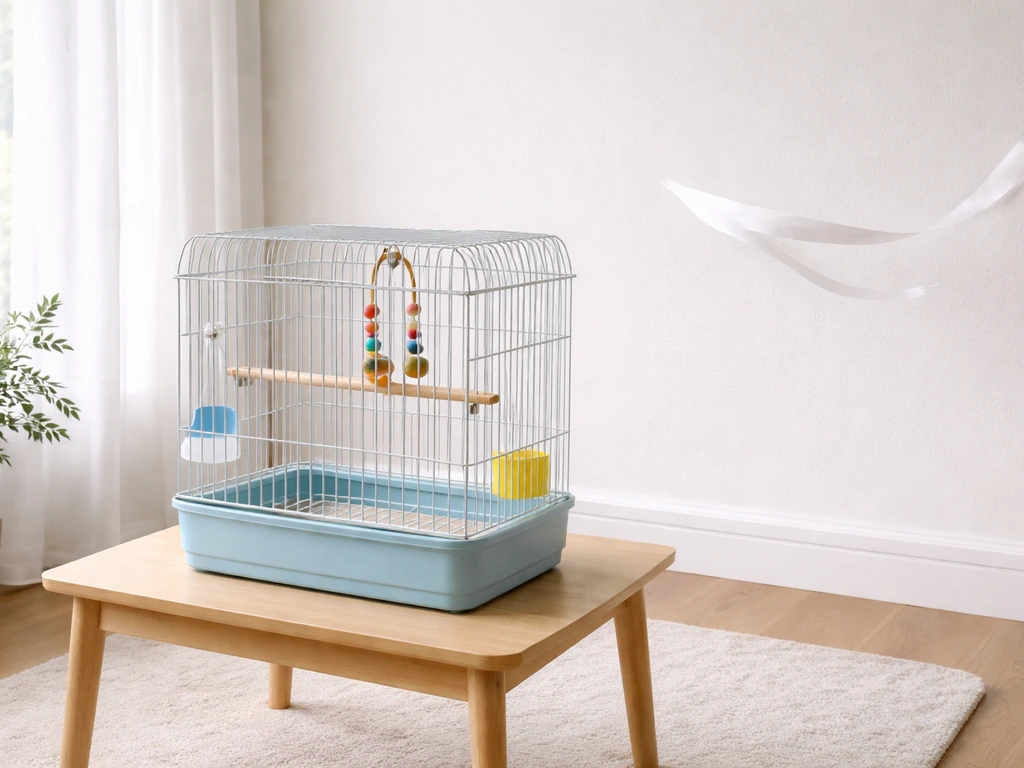
Birds have extremely sensitive respiratory systems. Good ventilation means fresh air movement without direct drafts hitting the cage. If the cage is in a room with poor air circulation, fumes from cooking, aerosols, candles, or non-stick cookware can reach dangerous concentrations quickly. Keep the cage in a well-ventilated room, never in or directly adjacent to a kitchen, and never use scented candles, air fresheners, or aerosol sprays nearby.
Escape risk and door latches
Intelligent birds like cockatiels and parrots figure out simple latches fast. If your bird has escaped even once, consider that latch compromised. Replace spring latches with padlock-style clips or bird-specific locking hardware. Also check that feeder doors and any access panels latch fully closed, because these are often the first doors birds learn to open.
Cleaning and mess control fixes
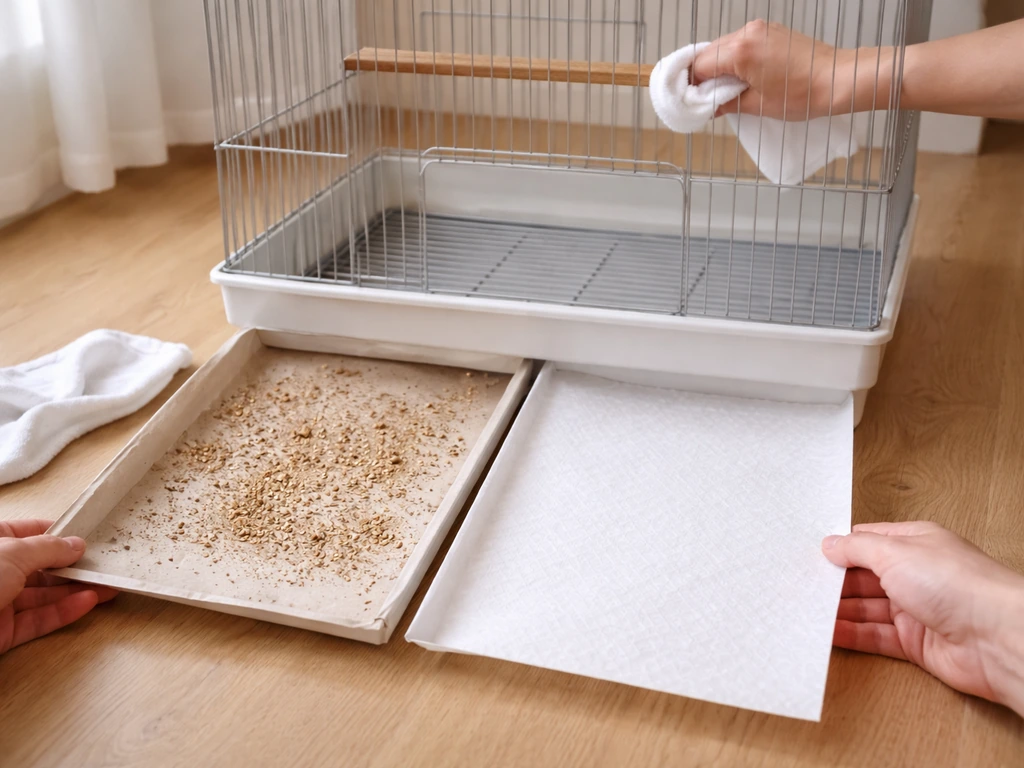
The baseline routine recommended by most avian care authorities is: spot-clean soiled areas daily, do a thorough wipe-down weekly, and deep-clean everything (including disassembling and scrubbing perches, bowls, toys, and the tray) about once a month, or more often if you have multiple birds. If you're not hitting that schedule, that's almost certainly the source of your odor and hygiene issues.
Tray liners and droppings management
The cage tray is the biggest source of buildup. Newspaper and plain paper cage liners are the easiest to swap daily. Avoid scented or printed papers with heavy ink, and avoid walnut shell or corn cob bedding, which can grow mold and harbor bacteria underneath. Change the liner every day. For a particularly messy bird, line the tray with two or three sheets so you can pull one off without disrupting what's underneath. A seed skirt or cage apron around the outside of the cage catches flung food and debris before it hits the floor, which dramatically cuts down your floor-cleaning time.
Safe cleaning products
This part is critical. Never mix bleach with ammonia, vinegar, or any other cleaner. The combination produces toxic chloramine gases that are dangerous to both birds and people. Bleach is effective but must be used diluted (roughly 1 part bleach to 32 parts water), rinsed completely, and the cage must be fully dry and aired out before the bird goes back in. Vinegar is a gentler option and does not produce toxic gases on its own, but it needs good ventilation too. For weekly cleaning, a bird-safe enzymatic cleaner or diluted dish soap, followed by a thorough rinse, works well for perches and bowls. The key is full rinsing and complete drying before reintroducing your bird.
- Daily: pull and replace tray liner, spot-wipe any droppings on perches or bars with a damp cloth
- Weekly: remove and wash all bowls, scrub perches, wipe down bars and cage interior with bird-safe cleaner, rinse fully
- Monthly: full disassembly where possible, soak hardware, replace any worn liners or cracked perches, inspect all components for rust or damage
Placement and seasonal protection
Where the cage sits matters almost as much as the cage itself. Cockatiels, as a common reference species, do well in household temperatures between 65°F and 80°F. Most other small-to-medium pet birds share a similar comfortable range. The consistent temperature part is what many owners underestimate: a bird near a window in June can be comfortable at noon and freezing cold from a night draft at 2am, or dangerously hot by 10am if the sun shifts.
Light and draft management
Place the cage against a wall on at least one side. This gives the bird a sense of security and reduces the number of directions a draft can hit from. Keep it out of direct air conditioning or heating vents, away from exterior doors, and away from windows that get direct midday or afternoon sun during summer. If the room gets cold at night, covering three sides of the cage with a breathable cloth cover after dark helps maintain temperature. Ideal indoor humidity for most birds is 40% to 50%. If your home runs very dry in winter from forced-air heating, a room humidifier placed a few feet from (not directly next to) the cage can make a real difference in feather and skin condition.
Seasonal adjustments
- Summer: block direct afternoon sun with a window shade or move the cage 3 to 4 feet from the window; monitor for overheating (birds panting or holding wings away from body are too hot)
- Winter: move the cage away from exterior walls and windows at night; use a fleece or cotton cover on three sides after dark; check that heating vents are not blowing directly on the cage
- Year-round: keep the cage in a room where your family spends time, which helps with socialization, but away from the kitchen because cooking fumes are a significant respiratory risk
Pests and contamination prevention
Mites and lice are the two main pest concerns for caged pet birds. They behave differently and require different responses. Avian lice stay on the bird and feed on feather material and skin debris. Mites, on the other hand, often hide in the cage structure and crevices, coming out at night to feed. If your bird is scratching constantly and you see tiny moving specks in cage corners or along perch seams, especially at night with a flashlight, mites are the likely culprit.
Identifying and treating mites and lice
For mites, check around the vent area and under the wings on the bird, and check cage seams and perch ends with a flashlight after dark. Prevention is much easier than treatment: a clean cage with no accumulated debris in joints and crevices dramatically reduces the risk. If you confirm mites, the cage needs to be fully emptied, disassembled as much as possible, scrubbed, and treated with a bird-safe mite treatment product. If one bird in a multi-bird setup has mites, treat all birds because mites are contagious between them. Any suspected mite infestation should be confirmed and treated in consultation with an avian vet, not just with off-the-shelf products, because some widely-sold mite sprays are not safe for all bird species.
Mold and odor prevention
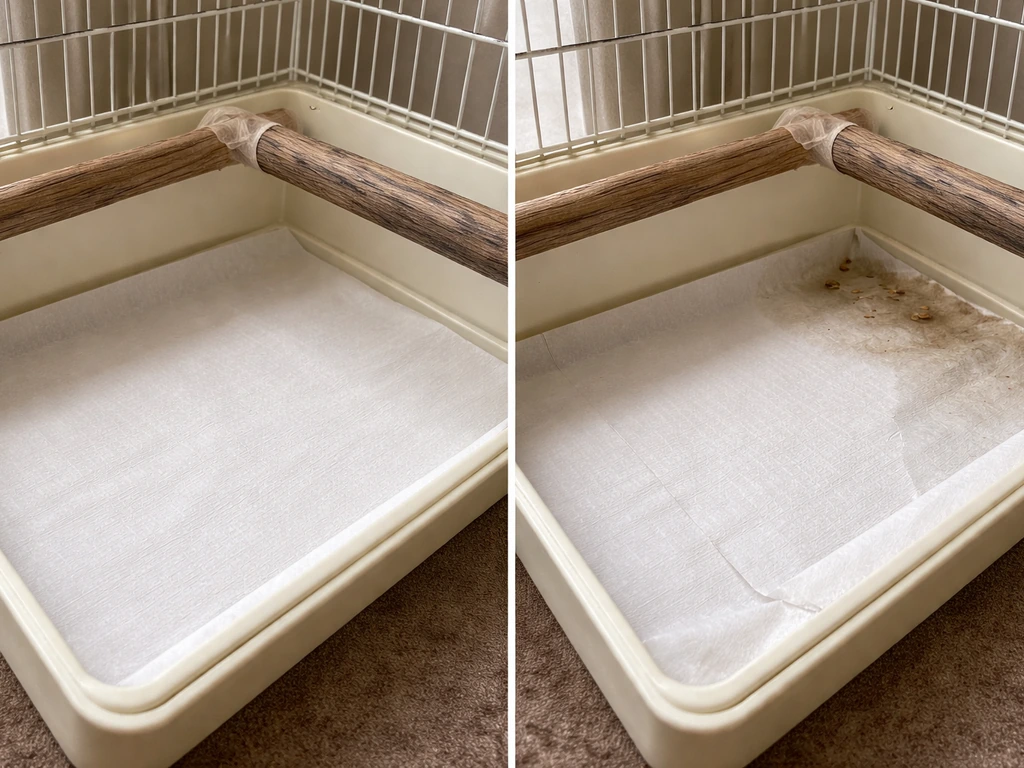
Mold grows fast under wet liner material, in food residue, and in wooden perches that stay damp. The prevention is straightforward: change liners daily, don't let water bowls overflow onto the tray, replace wooden perches that develop dark spots or musty smells, and make sure the cage area has enough airflow to dry out between cleanings. If you smell a musty odor that persists after cleaning, check the wooden perches and any natural branch perches closely, as these hold moisture and harbor fungal growth more than plastic or cement perches.
Cage customization troubleshooting
Poorly set up accessories cause more bird welfare problems than most owners realize. Slippery perches, incorrectly sized perches, overcrowded toy setups, and unstable cage stands all contribute to stress, foot problems, and injury. If you’re dialing in a sprint car bird cage setup, keep enrichment items stable and appropriately sized so the cage stays safe and not stressful overcrowded toy setups.
Perches
Your bird should have at least two or three perches of varying diameters so their feet change grip position throughout the day. For a cockatiel, perch diameters between 0.5 and 1 inch work well. For larger parrots, scale up accordingly. Perches should be positioned so the bird can sit without its tail touching the cage wall and without having to crouch. Avoid placing perches directly above food or water bowls because droppings contaminate both. Sandy perch covers are sold as nail-care tools but used exclusively as the only perch type, they abrade foot pads. Use them as one of several perch options, not the only one.
Toys and safety
There is limited quality control in bird toy manufacturing, so inspect every toy before and after putting it in the cage. Look for loose threads that could catch toes, metal clasps with sharp edges, painted or varnished surfaces (avoid these), and any small parts that could be swallowed. Rotate toys every week or two to maintain interest without overcrowding. A cage that's stuffed with toys limits flight movement and increases the chance of entanglement. Aim for two or three active enrichment toys at a time, rotated regularly.
Doors and cage stability
A wobbly cage stand is a real risk, especially in homes with other pets or children. If the cage rocks at all, reinforce the stand or move the cage to a flat, stable surface. For cage doors that stick or are difficult to operate, check whether the frame has bent (common in lower-cost cages) and whether the hinge pins are still aligned. A slightly bent door can often be gently reshaped with pliers if it's a single-layer wire door. If the main cage frame is bent or warped, that's a replacement-level problem.
Maintenance plan and when to stop DIYing
A solid ongoing routine prevents almost every common cage problem from becoming a crisis. Here's what a realistic weekly maintenance rhythm looks like for a single-bird setup.
- Every day: change the tray liner, refresh food and water, spot-wipe any visible droppings on perches or bars
- Every week: remove and wash all bowls and perches, wipe down all bars and interior surfaces with a bird-safe cleaner, rinse and fully dry before putting back, check toys for damage or wear
- Every month: full deep clean including soaking hardware, replacing worn perches, inspecting the entire cage frame for rust or damage, checking bar spacing hasn't been bent or warped
- Every season: reassess cage placement relative to seasonal light and temperature changes, check that covers and humidity levels are appropriate for the current weather
When to call an avian vet
DIY fixes handle cage environment problems, not health problems. Stop troubleshooting and call an avian vet if your bird shows any of these signs: persistent foul-smelling droppings that don't improve after a full cage clean and diet review, constant scratching or feather-pulling that doesn't resolve after a mite treatment, lethargy, fluffed feathers, or labored breathing that isn't explained by a clear environmental cause like a recent temperature drop, or any suspected heavy metal exposure from chewed or flaking cage components. Heavy metal toxicity from zinc or lead exposure is a genuine emergency and needs veterinary intervention, not a cage swap.
If you're dealing with a multi-bird setup where one bird shows signs of illness, separate that bird into a quarantine cage immediately and call your vet before treating any of the others, since some treatments appropriate for one species or condition are harmful for another.
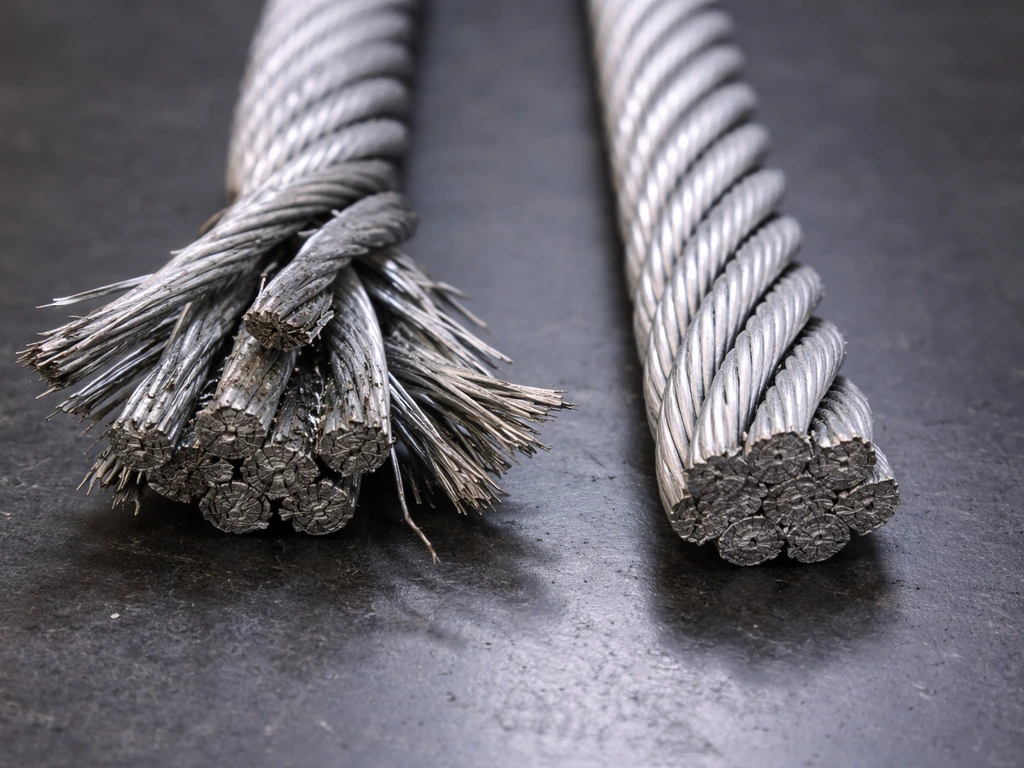
One last thing: the cage problems covered here are about the physical setup and environment. If you came across the phrase in a completely different context, like a broken diagram for an art project or a mechanical assembly in motorsport, those are genuinely different topics with their own guidance. For pet bird owners, everything you need to address today is in the sections above, and working through the diagnostic table at the top is the fastest way to confirm exactly where to focus first. If you are dealing with wire rope components, knowing what bird caging in wire rope looks like and why it matters helps you spot and prevent unsafe setups. If you are wondering whether the cage itself is the right choice for your situation, check whether keeping a wild bird is appropriate and what the legal and welfare expectations are the sections above.
FAQ
My bird’s cage smells bad, but the cleaning seemed thorough. How do I tell hygiene buildup from a health problem?
If odor is the main symptom, clean the cage fully, then reassess droppings and liner smell 12 to 24 hours later. If it’s still persistently foul, dark, or combined with unusual droppings color or consistency, treat it as a health issue and contact an avian vet. A one-day odor spike after changing diet or liners can happen, but a steady worsening trend is the red flag.
Can I keep my bird in the room while I clean the cage or use cleaners like bleach or vinegar?
Do not remove the bird during cleaning and “let it air dry” in an unsupervised way if you used any chemical cleaner. Wait until rinsed surfaces are completely dry and aired out in a well-ventilated area before reintroducing the bird, and keep the bird away from fumes during the process. If you ever mixed bleach with another product by mistake, stop and keep the bird out until the fumes fully clear, then call a vet for guidance if symptoms appear.
If bar spacing is slightly off or the cage has a small amount of rust or flaking, can I fix it with a quick DIY patch?
No, not in any safe way. Even if the cage seems stable, bar spacing, metal composition, and latch reliability cannot be safely corrected by DIY patching. If measurements show you’re outside the species range or the metal is compromised (flaking galvanized coating, heavy rust), the correct action is replacement or relocating the bird to a known-safe enclosure while you source a proper cage.
I changed the cage location, diet, and liner recently, now my bird seems off. What should I adjust first?
Treat it as a “multiple changes at once” problem risk. If you recently moved the cage to a new spot, changed diet, or switched liners, reverse only one variable at a time over the next few days, starting with the largest environmental factor (location, drafts, heat/light exposure). That way, you can identify whether the issue is placement-related versus diet-related versus ongoing hygiene.
What’s the fastest way to reduce odor if my cage tray is always dirty even after I spot-clean?
Start by checking the cage tray liner method first, because poor liner coverage lets droppings spread into corners and seams where they build up faster. Use daily liner changes, prevent water overflow onto the tray, and ensure perches are not directly above bowls. If odor remains after a week of strict routine, inspect wooden perches for hidden moisture and replace them rather than just scrubbing the cage bottom.
How can I tell if scratching is mites versus lice, and why does it change what I should do?
Not necessarily. If you see tiny moving specks at night, mites are more likely, while lice usually spend more time on the bird’s body and are associated with feather and skin debris. Still, species identification matters because treatments differ, so if scratching is constant, confirm and use an avian-vet recommended approach rather than guessing.
Do I really need to quarantine if only one bird seems itchy or sick in a multi-bird setup?
Yes, quarantine is especially important if the birds share the same room air or have access to the same cleaning tools and accessories. Isolate the sick bird immediately, use separate tools (or thoroughly disinfect before switching), and avoid treating the others until you talk to your avian vet, since some products and dosing can be unsafe for different species or conditions.
My parrot chews the cage bars, so how should I decide when to replace the cage versus monitor it?
If the bird can reach and chew bars, assume it will. Replace any cage with compromised coatings (flaking, chipped, heavy rust) and avoid cages that are not clearly labeled for bird-safe use. When in doubt, pick stainless steel long-term, and keep the bird’s beak from working loose hardware like weld points or feeder door edges.
What droppings changes are normal versus a reason to call an avian vet?
For droppings, expect color and consistency shifts from diet or water changes, but not a persistent strong foul smell after you correct liner and cleaning. If the odor stays after a full cleaning plus diet review, or if the droppings look unusual for more than a short adjustment window, call an avian vet. Odor plus lethargy or fluffed feathers is even more urgent.
My bird cage door sticks sometimes. What’s the practical way to make sure it’s actually safe?
If the cage door sticks, treat it like a safety failure, not an inconvenience. Verify the frame alignment, hinge pin position, and whether the door is bent, then replace the door or cage if it can’t close reliably. Consider upgrading to bird-specific locking hardware, and test every access panel when you’re not in a hurry, because intelligent birds often learn the exact motion that opens it.
How do I choose perch placement and diameters to prevent foot problems and droppings-contaminated areas?
You should keep perches and food placement aligned to reduce contamination, especially perch height relative to bowls and tray. If tail or body contact with the cage wall is happening, adjust perch position so the bird can sit without crouching and without reaching down into waste areas. Also aim for multiple perch diameters, that variety reduces foot stress and helps prevent overusing one gripping position.
In dry winter air, how do I add humidity without causing mold or musty smells?
During winter, humidity targets are best met gradually. If forced air heat dries the room, a humidifier placed a few feet away helps, but avoid direct misting onto the cage because that can increase tray and perch dampness. If you see wet liners persisting or a musty smell returning, stop and correct airflow and cleaning frequency before increasing humidity again.