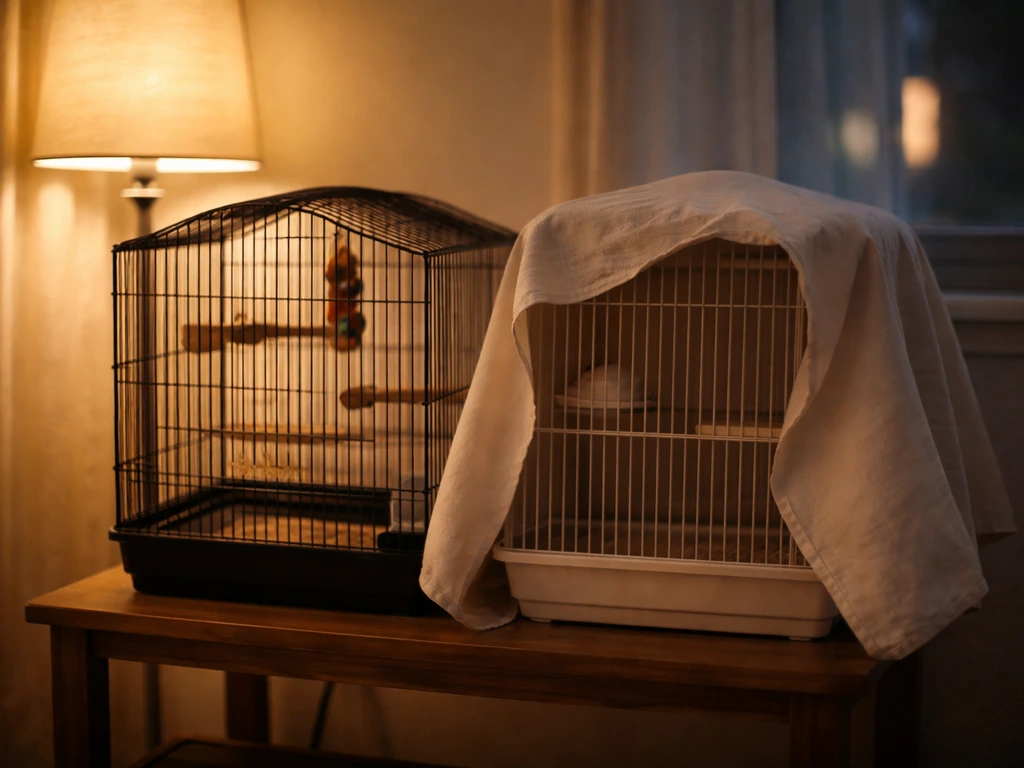
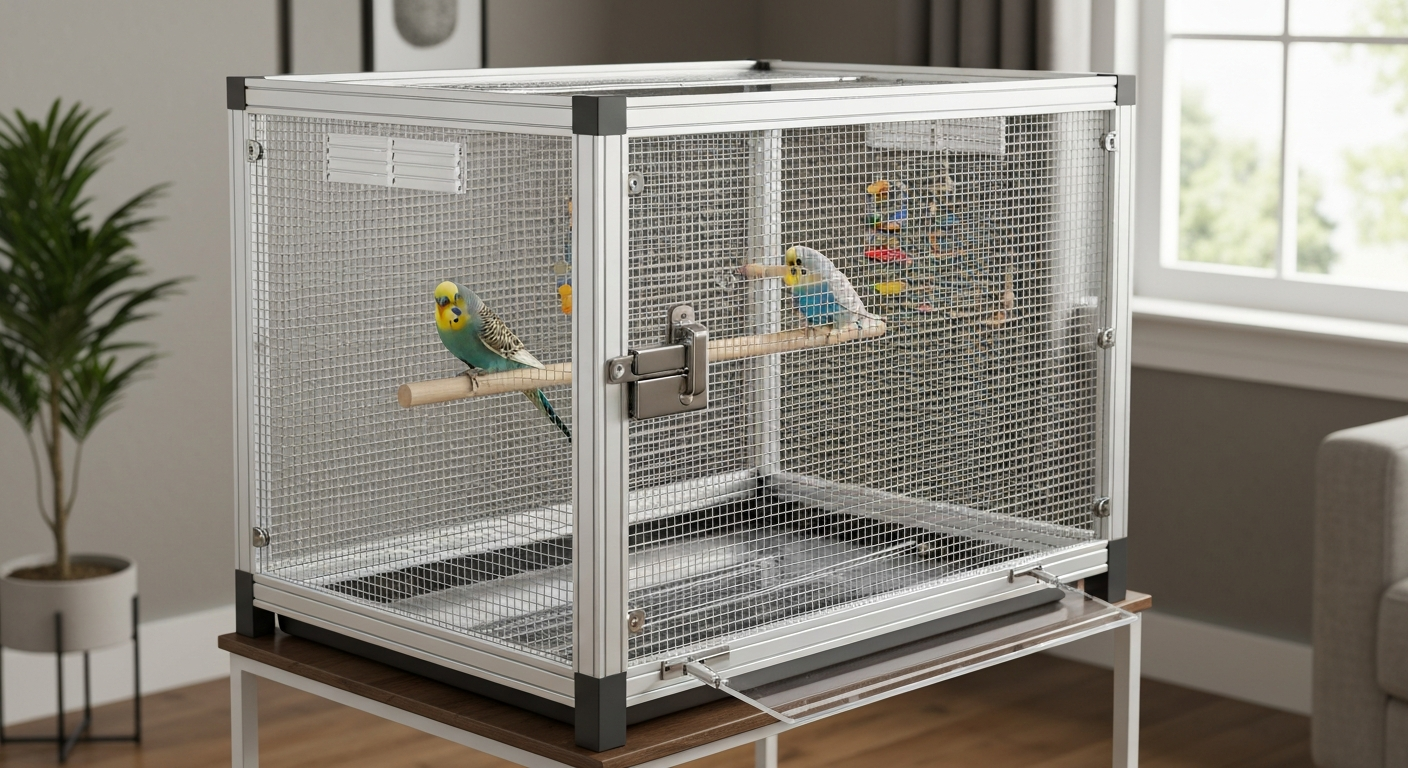
Why covering helps (and when it's unnecessary)
The biggest reason to cover a cage at night is light control. If your household stays active after dark, with TVs on, kitchen lights blazing, or people moving around, your bird is getting irregular light cues that interfere with its natural sleep-wake cycle. A cover blocks that out and tells the bird's brain that the day is done. Birds regulate their hormones and behavior heavily based on light cycles, so consistent darkness at a consistent time genuinely matters for long-term health, not just immediate sleep quality.
Beyond light, a cover dampens sound and reduces visual stimulation. A bird that can't see movement in the room is less likely to startle or stay vigilant. It also creates a sense of a safe, enclosed space, which many birds find genuinely calming. In cooler months, a cover adds a layer of insulation, which is worth thinking about if your home gets cold at night. If you want to go deeper on that angle, the relationship between covering a bird cage and keeping it warm is its own topic worth reading through.
That said, covering isn't always necessary. If your bird's room is already dark and quiet by the time it goes to sleep, and the environment stays consistent, a cover adds little benefit. Some bird owners find that simply turning off the room lights and keeping a predictable routine is enough.
The Association of Avian Veterinarians (AAV) Basic Care for Companion Birds notes that most birds do best with 10, 12 hours of sleep at night [10–12 hours of sleep at night](https://cdn. ymaws. com/www. aav.
org/resource/resmgr/pdf2019/AAVBasic-Care-for-Companion. pdf). A fully dark, quiet room is actually the cleaner solution, according to several avian sources, because it avoids any risk of the cover blocking airflow or causing overheating. If your bird sleeps in a dedicated bird room you can control, you may not need a cover at all.
When NOT to cover: safety and bird welfare red flags
Stop using a cover immediately if your bird panics, becomes agitated, or shows signs of distress when you put it on. This is a firm rule backed by Purdue's veterinary guidance: if the bird reacts badly, do not continue covering and do not try to force it as a form of desensitization training. For that individual bird, the cover is a welfare stressor, not a comfort, and the right call is to find another way to darken the room instead.
There are other situations where covering becomes risky rather than helpful. Never cover a cage tightly in a warm room, because a non-breathable or too-thick cover can trap heat and create a dangerously hot environment inside the cage. Never cover a dirty cage, either. Droppings and old food create ammonia and bacteria, and a covered cage concentrates those fumes directly in the bird's breathing space.
Good ventilation is a non-negotiable, and if you ever need a refresher on why fresh air matters so much for birds, the broader welfare principle is the same one that drives <a data-article-id="42B3E767-EE55-4E36-AD2C-35B0DFF7EE9">how to heat a bird cage safely without suffocating the bird. If you want to warm the cage, focus on safe heating that keeps airflow unrestricted why fresh air matters so much for birds.
- Bird panics, flaps, or vocalizes with distress when the cover goes on: stop covering
- Room temperature stays above 80°F at night: skip the cover or use only a very light, breathable drape
- Cage has not been cleaned recently: clean before covering, always
- Cover material is plastic, synthetic fleece, or any non-breathable fabric: replace it
- Bird is sick or injured: follow your vet's specific supportive care advice rather than standard nighttime covering routines
- Bird has never been covered before: introduce it gradually during the day first, not cold-turkey at night
How to cover a bird cage at night (step-by-step setup)
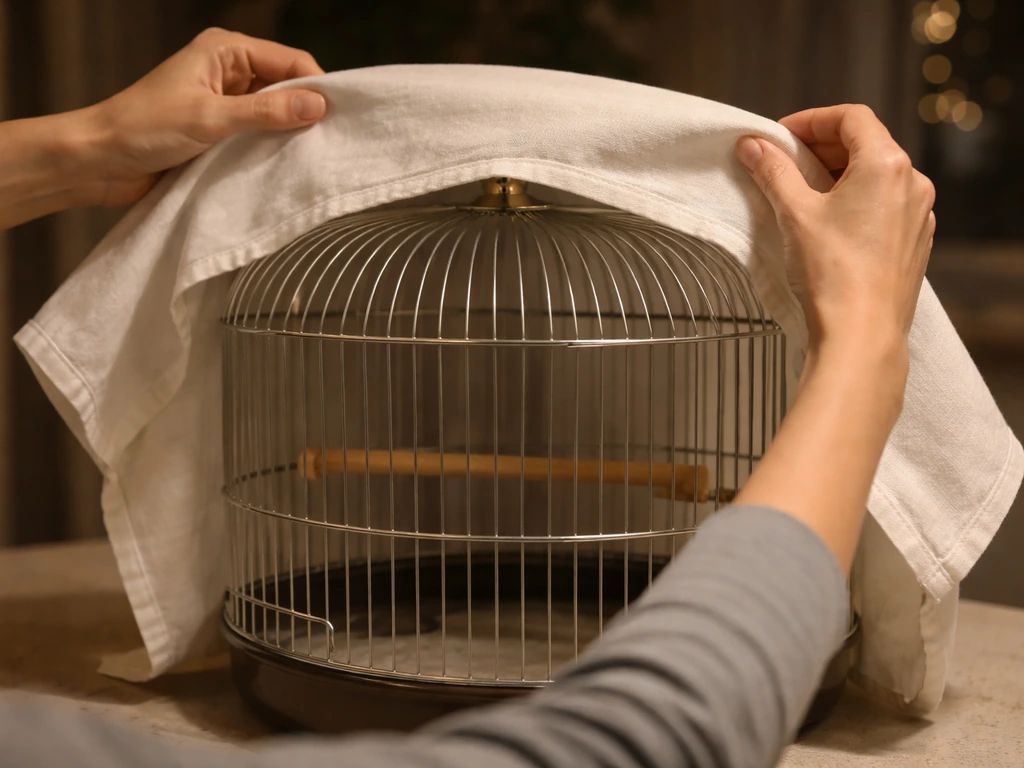
Setting this up the right way takes about five minutes the first time. After that it's a 30-second routine. Here's exactly how to do it.
- Clean the cage before you start. Remove droppings, uneaten food, and wet substrate. A covered dirty cage concentrates fumes. Do this before the first use and maintain it nightly.
- Choose your cover (see the materials section below) and lay it flat on a surface. Check it for holes, fraying, or any loose threads that could catch on cage bars.
- About 30 minutes before you want the bird to sleep, dim the room lights. This gives the bird a gradual wind-down cue rather than a sudden lights-out shock.
- Drape the cover over the top of the cage and pull it down the sides. Work gently and calmly. Do not shake it or drop it suddenly onto the cage.
- Leave a 3 to 4 inch gap along the bottom front of the cage. This is the key step that most people skip. The gap allows a small amount of ambient light in, which avian vets recommend specifically to reduce the risk of night panic. Total blackout is not the goal.
- Check that the cover is not pressing against the cage bars on all sides. There should be loose drape, not a tight seal. Airflow needs to move through and around the cage.
- Do not secure the cover with clips or ties at the bottom in a way that would prevent quick removal. You want to be able to pull it off fast if the bird startles.
- Remove the cover promptly in the morning, ideally at the same time each day. Consistency in timing reinforces the bird's sleep schedule.
What to cover a bird cage with at night (safe materials and what to skip)
The best material for a bird cage cover is 100% cotton. It's breathable, washable, non-toxic, and widely available. A plain cotton sheet, a purpose-made bird cage cover, or a clean cotton pillowcase for a small cage all work well. The fabric should be heavy enough to block most light but light enough that it doesn't trap heat. Think a fitted sheet or a light canvas, not a heavy quilt. If you're weighing a household item versus a purpose-built cover, the question of whether to use a blanket on a bird cage comes down to breathability and whether the blanket has loose fibers or fraying edges.
Avoid anything plastic, even loose plastic sheeting. It blocks airflow entirely and can off-gas fumes. Synthetic fabrics like polyester fleece may also off-gas when warm and don't breathe the way cotton does. Anything with fraying threads, decorative tassels, or loose loops is a tangle and entrapment hazard, since birds explore with their feet and beak even at night. Wash whatever you use regularly with unscented, bird-safe detergent. A cover with droppings or dander buildup is a hygiene problem.
| Material | Breathable? | Light-blocking? | Safe? | Verdict |
|---|
| 100% cotton sheet | Yes | Moderate to good | Yes | Best all-around choice |
| Purpose-made bird cage cover | Yes (most) | Good | Yes (check label) | Excellent if labeled bird-safe |
| Cotton pillowcase (small cages) | Yes | Good | Yes | Works well for travel or small setups |
| Polyester fleece blanket | No | Good | Risky | Avoid: heat-trapping, may off-gas |
| Heavy wool blanket | Partial | Very good | Risky | Too heavy, traps heat and moisture |
| Plastic sheeting | No | Yes | No | Never use: blocks all airflow |
| Towel with loose threads/fraying | Yes | Moderate | Risky | Entanglement hazard, skip it |
Getting the size and airflow right
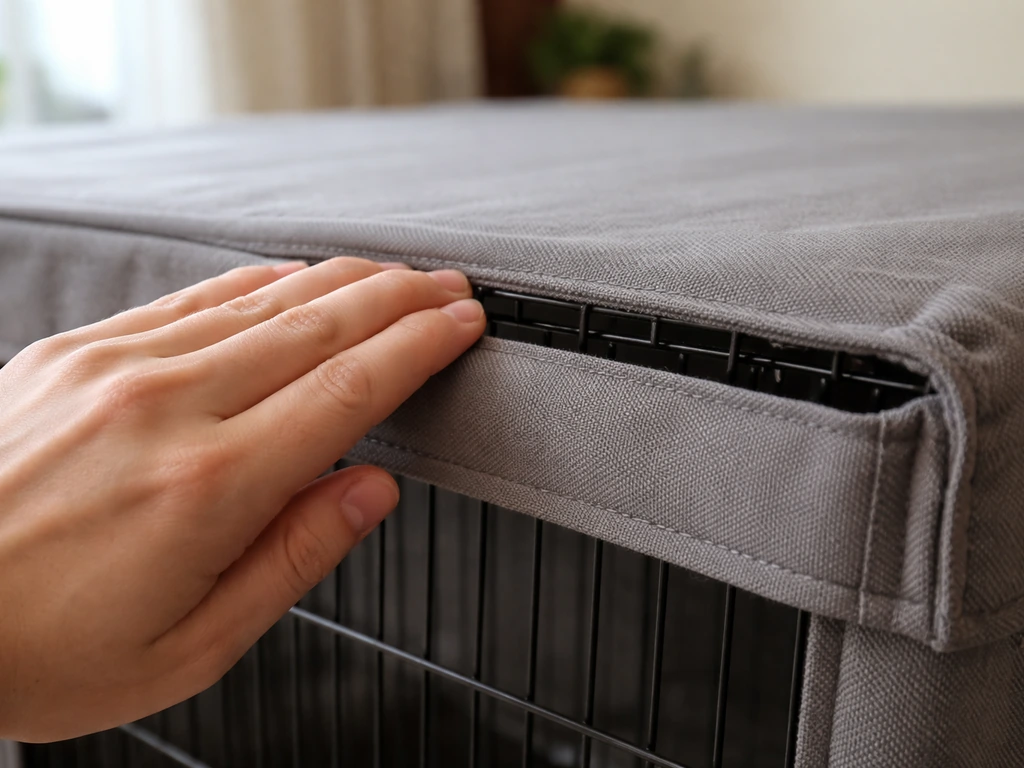
A cover that's too small will leave gaps at the top where light pours in, defeating the purpose. A cover that's too large will pool on the floor and could be pulled into the cage by a curious bird. Measure your cage: height plus about 6 inches on each side for drape clearance is a reasonable starting point.
For a standard rectangular cage, a cover that reaches roughly two-thirds of the way down all four sides while leaving that 3 to 4 inch gap at the bottom front hits the sweet spot. A Calgary Parrot Club avian-veterinary Q&A also recommends leaving a three to four inch open space down the vertical front of the cage (or around the bottom) to help prevent “night panic.
” leave a three to four inch open space down the vertical front of the cage.
The airflow check is simple. Once the cover is on, press your hand lightly against the fabric on the side panels. You should feel slight resistance from the fabric but not a complete seal against the bars. If the cover is pressing flat against every bar and there's no air moving through, the cover is too tight or the fabric too dense.
Lift the sides slightly or fold back a bottom corner on the back panel to create a low exhaust point for warm air. This is especially important in summer. If your home gets dry in winter and you're layering a cover on top of heating methods, consider how humidity in your bird room is being affected, since covers can reduce the moisture exchange between the cage air and the room.
For dome-top or decorative cages with unusual shapes, purpose-made covers with elastic or drawstring hems are worth the investment because they fit without creating tight spots or pooling fabric. If you're building or adapting a cover yourself, pre-washing the cotton fabric several times before use removes any sizing or residual manufacturing chemicals.
Troubleshooting: what to do when things go wrong
Bird seems stressed or panics with the cover on
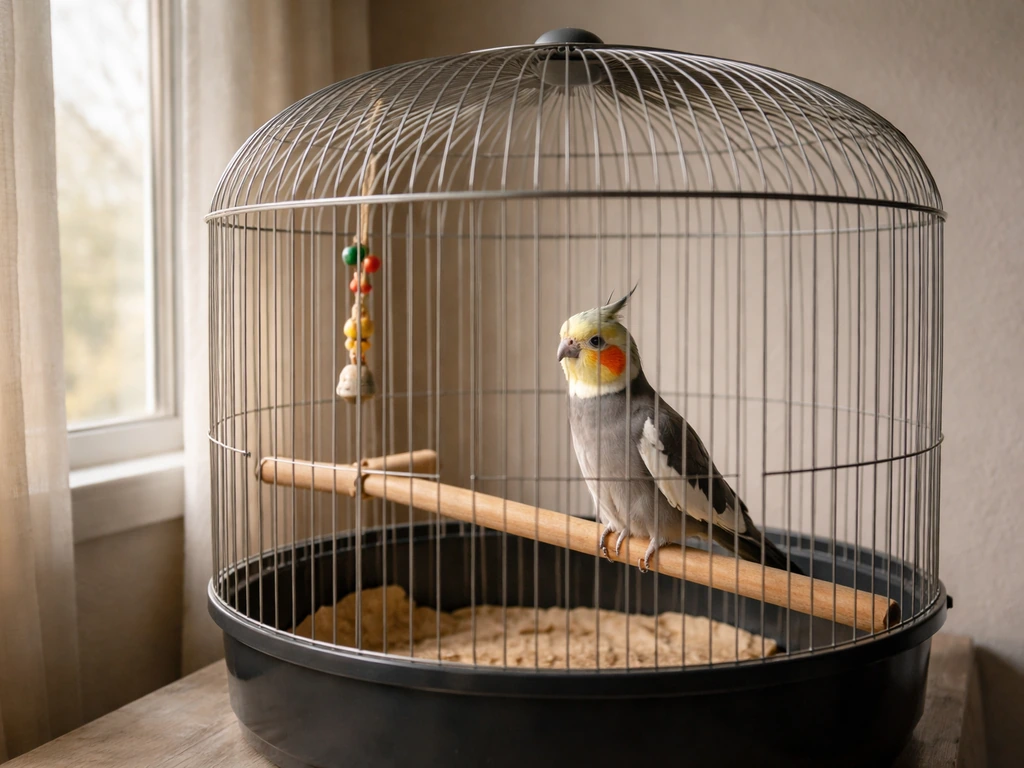
If your bird thrashes, vocalizes with alarm calls, or shows signs of distress after you cover the cage, remove the cover immediately. Don't try again the same night. The next day, try laying the cover loosely over just the top of the cage for a few minutes while the bird is awake and you're nearby. Let the bird get used to it without nighttime fear layered in.
Some birds take a week of gradual exposure. If the panic persists regardless of how slow you go, this bird is telling you clearly that covering doesn't work for it. A fully dark room is your better option. If sleep problems continue even without a cover, that's a behavioral or environmental issue worth discussing with an avian vet, not something to solve by doubling down on covering.
Room is still too bright even with a cover
If streetlights, hallway light under a door, or early morning sun still reaches the cage through the fabric, layer a second piece of light-blocking cotton over the top section only, leaving the bottom and sides in the breathable single layer. Alternatively, reposition the cage so it faces away from the light source, or use blackout curtains on the window. Moving the cage is often the simplest fix and it improves the setup for the bird year-round, not just at night. If you're planning seasonal adjustments to the cage's position in your home, the wider guide on how to cover a bird cage in winter has practical placement tips worth reading.
Drafts getting through the cover
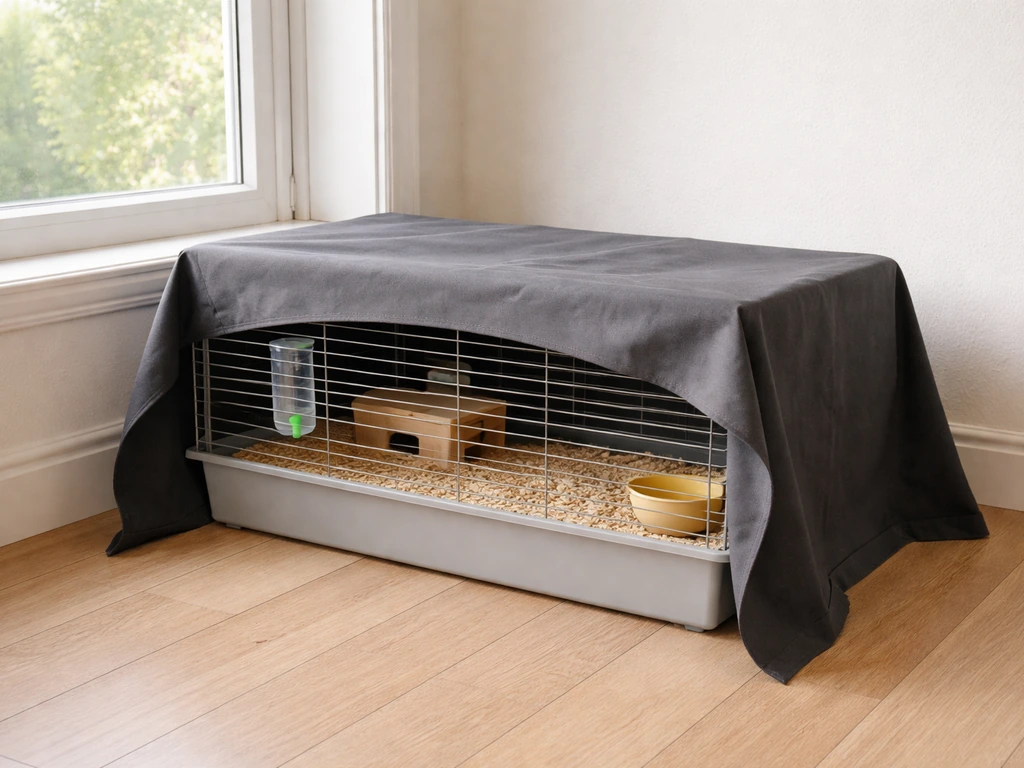
A cover helps buffer drafts but isn't a seal. If cold air from a window or vent is hitting the cage directly, the cover alone won't solve it. Move the cage away from the draft source first. Then use the cover as a secondary buffer. If you're dealing with significant winter cold, layering cover management with active cage warming is the real answer, and the full breakdown of how to keep a bird cage warm covers both heating and positioning strategies in detail.
Bugs, pests, or mess getting under the cover
A cage cover won't keep insects out if there's an active pest problem in the room. In fact, the dark, warm environment under a cover can make it more attractive to mites or small insects if the cage isn't clean. The fix is cage hygiene first, pest control second, and then covering third. Remove the cover each morning and inspect the fabric. Wash it weekly at minimum, more often if the bird is a heavy forager or the weather is humid. If you spot feather mites or other pests, treat the bird and cage environment with a vet-recommended product before resuming nightly covering.
Seasonal adjustments
In summer, swap to a lighter single-layer cotton cover and leave more of the bottom open on multiple sides, not just the front. Check the room temperature under the cover with a small thermometer after the first hot night. The target range inside a covered cage should stay under 85°F. In winter, a slightly heavier cotton cover is fine as long as ventilation remains adequate.
If you're actively supplementing heat with a ceramic heat emitter or heating panel, make sure the cover doesn't act as a heat trap around the heating element. Airflow around any heat source needs to remain unrestricted, and the safety checks for that setup are covered in depth in the guide on <a data-article-id="42B3E767-EE55-4E36-AD2C-35B0DFF7EE9">how to heat a bird cage safely.
For the safe setup details, see <a data-article-id="42B3E767-EE55-4E36-AD2C-35B0DFF7EF39">how to heat a bird cage safely so your cover doesn't trap heat near the heat source.
Your quick decision checklist before covering tonight
- Cage is clean: droppings and old food removed
- Cover material is 100% cotton or a labeled bird-safe fabric, not plastic or synthetic
- Cover is washed and free of loose threads or fraying edges
- You're leaving a 3 to 4 inch gap at the bottom front, not creating total blackout
- Cover drapes loosely, not pressed flat against the cage bars
- Room temperature is under 85°F where the cage sits
- You'll remove the cover at the same time each morning
- You'll watch the bird tonight and remove the cover immediately if it panics
If you can check every box on that list, go ahead and cover the cage tonight. If your bird reacts badly, pull the cover, darken the room another way, and call it done. There's no rule that says covering is mandatory. What matters is that your bird gets consistent, uninterrupted sleep in a safe, comfortable environment, however you get there.