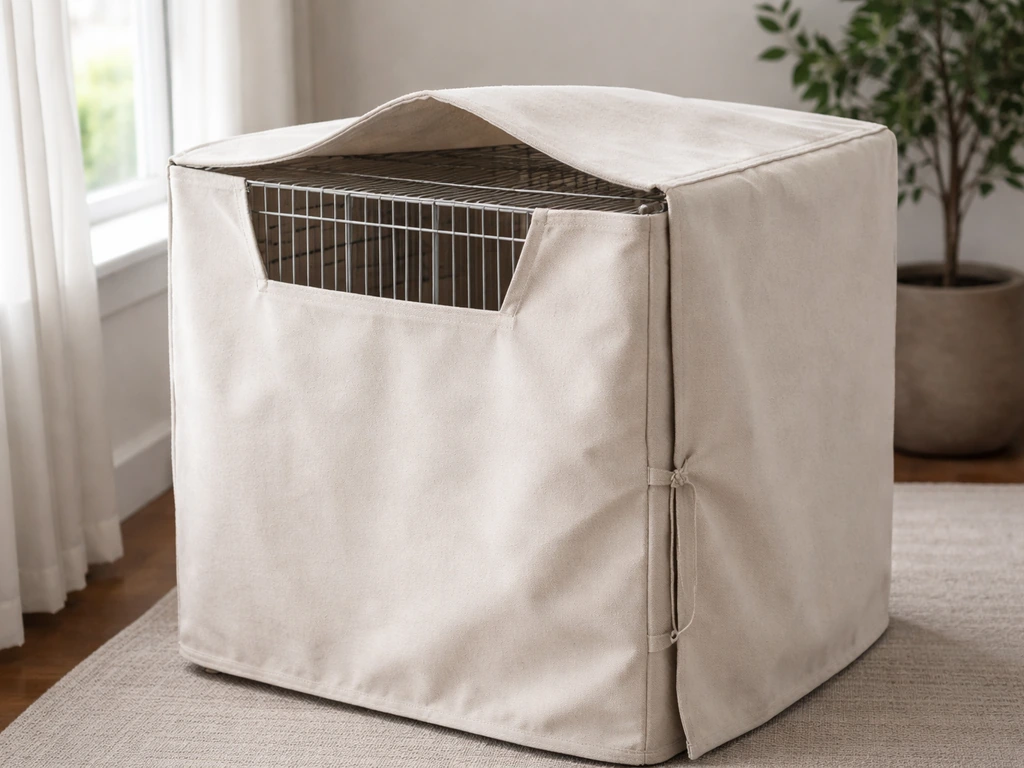
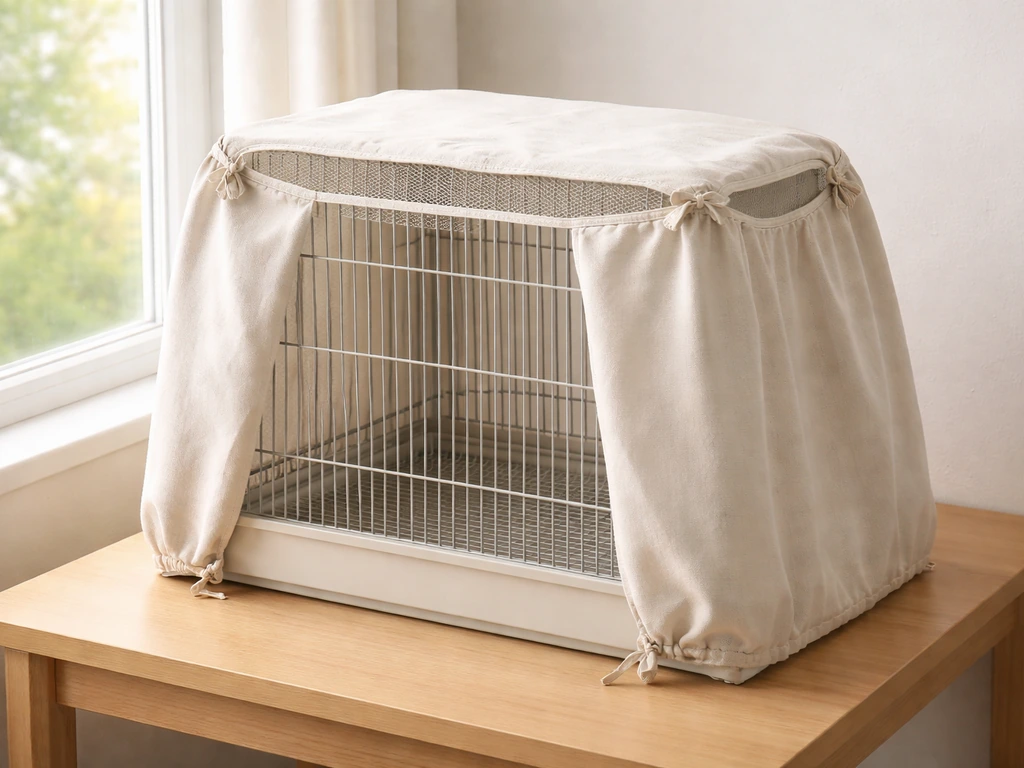
The safest way to cover a bird cage is to drape a breathable, natural-fiber cloth (like cotton or linen) over three sides of the cage, leaving the front partially open for airflow, then securing it so it can't sag inward or be pulled through the bars. That setup works for nighttime sleep, basic privacy, and light control. If you need travel protection or seasonal coverage outdoors, the approach changes a bit, but the core rule stays the same: airflow always wins over full coverage.
How to Cover a Bird Cage Safely Step-by-Step Guide

Maya Bennett
16 May 2026
Choosing the right type of bird cage cover
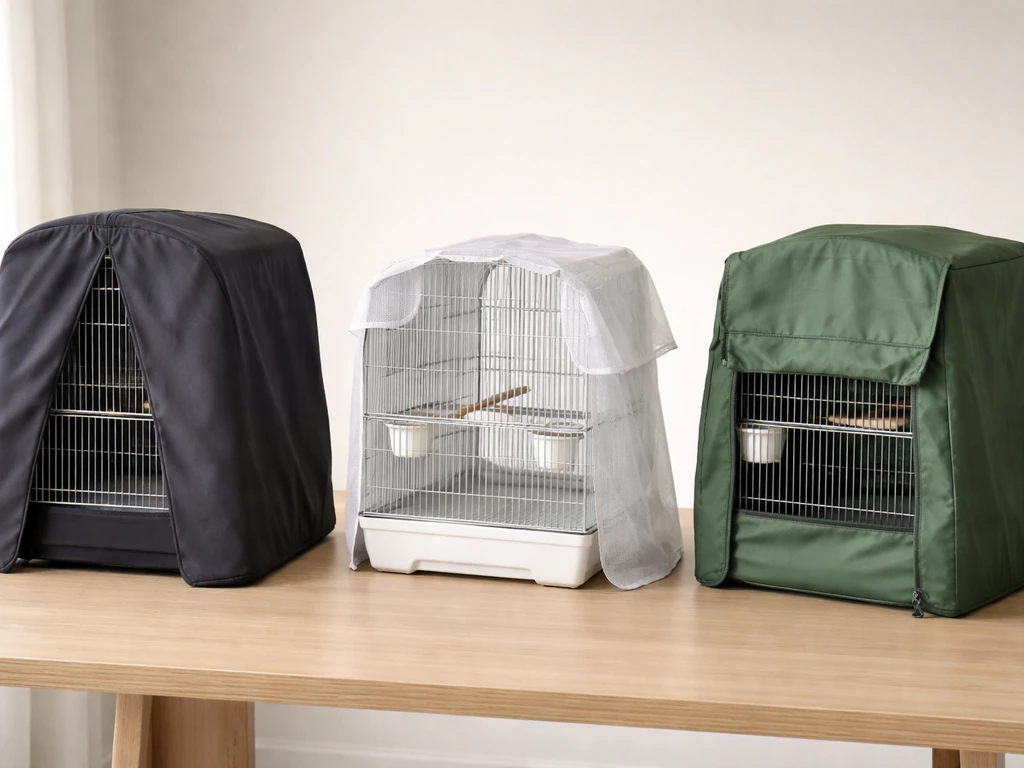
Before you buy or cut anything, decide what you're actually covering for. The purpose completely changes what you need. There are three main reasons people cover a cage, and each one calls for a different solution.
| Purpose | What you need | Key priority |
|---|---|---|
| Night/sleep cover | Breathable fabric that blocks light on 3 sides | Darkness + airflow |
| Privacy or dimming (daytime) | Lightweight cotton panel or partial drape | Partial coverage, no overheating |
| Travel or temporary protection | Fitted travel cover or mesh with a fabric shell | Security + ventilation |
| Seasonal/outdoor protection | Waterproof or insulating cover designed for cages | Weather resistance + airflow panels |
A nighttime cover is the most common use. blank" rel="noopener noreferrer">Research from Purdue University's veterinary guidance confirms that birds need a consistent light/dark schedule to maintain healthy sleep, and a cover is one of the simplest ways to create that dark window each night. blank" rel="noopener noreferrer">The Environmental Literacy Council notes that most companion birds need around 10 to 12 hours of darkness per night, so a cover you use every evening at roughly the same time becomes a reliable sleep cue. If your bird is in a busy living room with lights on late, a good night cover makes a real difference.
Daytime privacy covers are useful if your bird gets stressed by foot traffic, other pets, or a window view that triggers territorial behavior. These are typically partial covers on one or two sides rather than a full drape. Travel covers need to fit snugly so they don't flap loose in a moving vehicle, but they still must have mesh or open panels so the bird gets fresh air. Seasonal outdoor covers are a different category entirely: they need to handle moisture, wind, and temperature swings, which means purpose-built materials rather than a repurposed bedsheet.
Safe materials to use (and what to avoid)
Material choice is where most problems start. The wrong fabric can overheat your bird, trap moisture, or give them something dangerous to chew on. Here's what actually works and what to skip.
Good choices
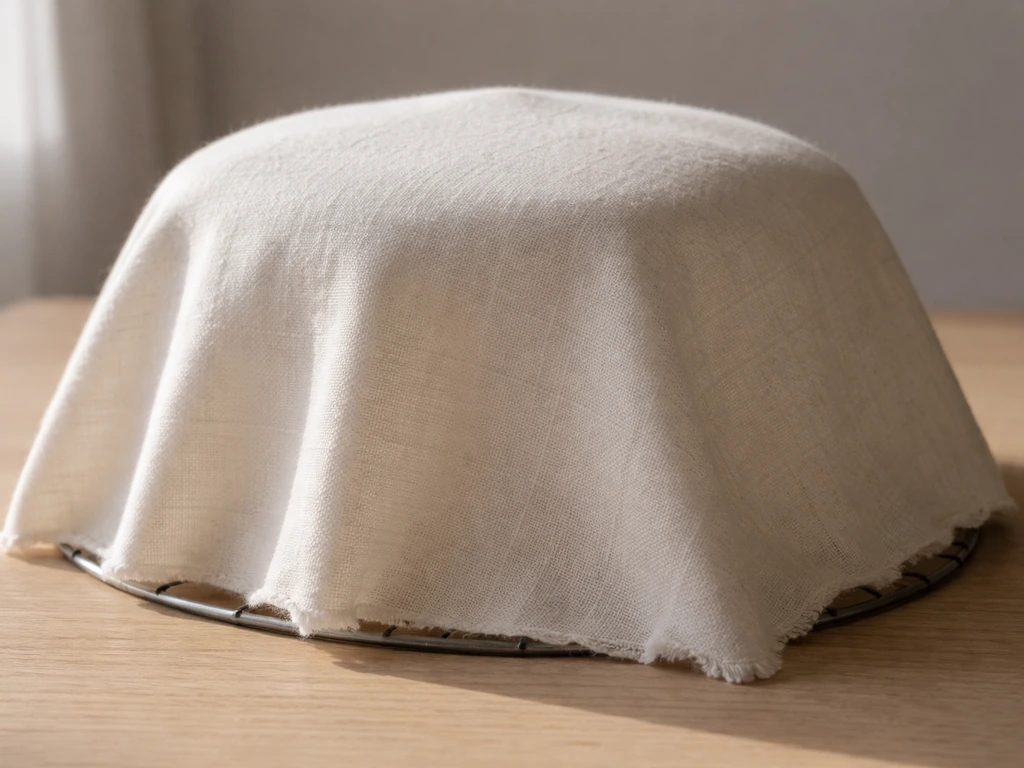
- 100% cotton: breathable, washable, widely available, and safe if chewed in small amounts. Tightly woven cotton (like canvas or quilting cotton) blocks light better than a loose weave.
- Linen: similar to cotton, naturally breathable, and durable. Great for birds that tend to grab at the cover.
- Fleece (100% polyester, no backing): doesn't fray, so there are fewer loose threads to tangle around toes. Use only if your bird doesn't chew it heavily.
- Mesh panels: not a standalone cover, but ideal combined with a fabric outer layer for travel covers or any situation where extra ventilation matters.
- Purpose-built cage covers: many brands make fitted covers in breathable fabric with elastic hems. These are worth the cost for regular use because the fit is consistent.
What to avoid
- Non-breathable plastics or tarps: trap heat and moisture fast, especially in warm rooms. Even a short overnight use can cause dangerous temperature buildup.
- Terry cloth or thick towels: fibers are loopy and easy for birds to catch toenails or beaks in, which can cause injury or panic.
- Synthetic fabrics with loose weaves or fringe: strands can be pulled out, swallowed, or wrapped around feet.
- Treated or coated fabrics: waterproofing sprays, flame retardants, and fabric stiffeners can off-gas fumes that are toxic to birds.
- Dark-colored fabrics that absorb heat: especially a problem near windows or in warm climates.
- Anything with elastic loops, buttons, or decorative trim within beak reach.
If you're making your own cover (which is a great DIY project and something I go into more detail on in the guide on how to make bird cage covers), pre-wash the fabric before use to remove sizing chemicals, and check all seams for loose threads after every wash. If you're also looking for a bamboo build, the same airflow and safety rules still apply to how you make a bird cage with bamboo DIY project and something I go into more detail on in the guide on how to make bird cage covers.
Tools and supplies for covering a cage
You don't need much. Whether you're using a store-bought cover or draping fabric yourself, here's what to have on hand.
- Fabric or cover: measured to your cage dimensions (see step-by-step below for how to measure)
- Fabric scissors or rotary cutter: for clean edges that don't fray as badly
- Measuring tape: measure cage height, width, and depth before cutting anything
- Binder clips or spring clips: quick, adjustable, and reusable for securing loose fabric without sewing
- Velcro strips (sew-on or adhesive): useful for DIY fitted covers; avoid adhesive types directly on cage wire
- Clothespins: a low-tech but effective way to keep fabric from shifting overnight
- Elastic cord or bungee clips: for travel covers that need to stay put on a moving vehicle
- Sewing machine or iron-on hem tape: if you want finished edges that won't unravel
If you want a quick temporary fix tonight, two large clips and a cotton sheet do the job. If you want a longer-term solution that's easy to put on and take off daily, a purpose-built cover or a sewn fitted version saves you the fuss every evening.
Step-by-step: how to cover your bird cage safely
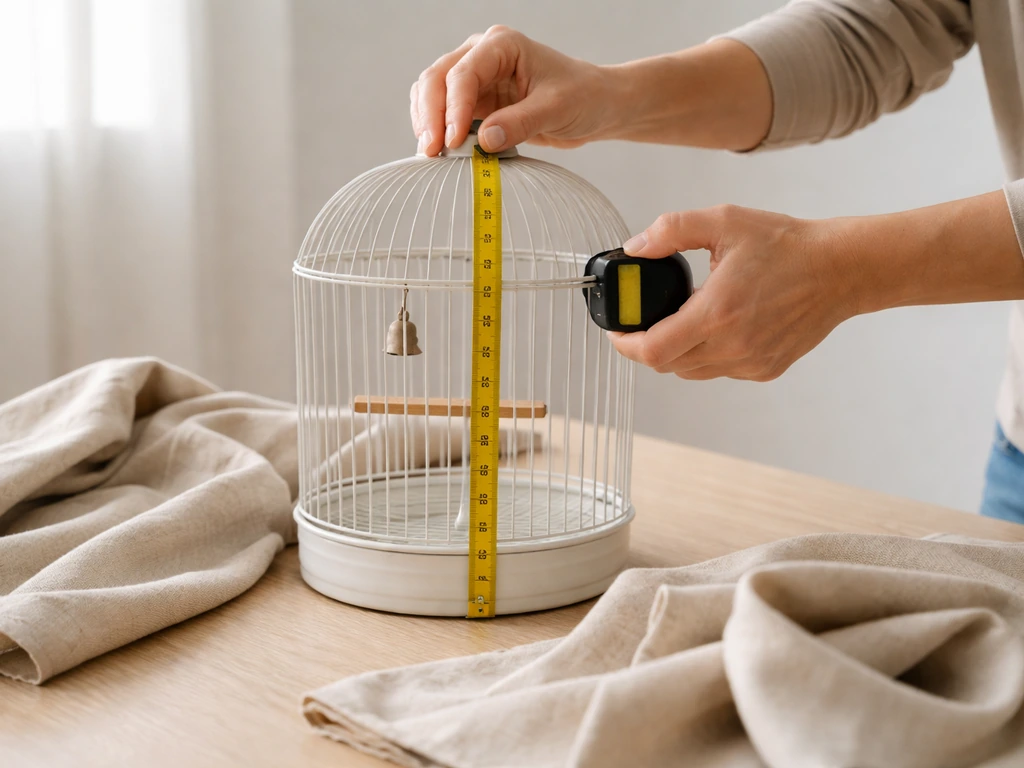
Follow these steps in order the first time you cover a cage. Once you've done it a few times, it takes under a minute.
- Measure the cage. Run a tape measure along the height (floor to top), the width (side to side), and the depth (front to back). Add 4 to 6 inches to each dimension so the cover drapes past the bottom edge of the cage by a few inches on all sides. This prevents light leaks without the fabric bunching on the cage floor.
- Cut or select your fabric. If you're cutting from a larger piece, use fabric scissors for cleaner edges. Hem the edges with iron-on tape or a basic running stitch if you want to prevent fraying over time.
- Check for loose threads or dangling bits. Run your hand over every edge and seam before draping anything near the cage. Remove any threads longer than about half an inch.
- Settle the bird first. Don't put the cover on while your bird is active or startled. Give them a few quiet minutes to perch and calm down. A stressed bird can panic under a sudden cover.
- Drape over the top, back, and two sides. Leave the front of the cage either fully open or covered with a breathable mesh panel. The front opening is your primary airflow path.
- Secure the cover. Use clips, clothespins, or the built-in elastic of a fitted cover to keep fabric from sliding down. Fabric that sags against the bars can be grabbed, chewed, or trap toes.
- Check that no part of the fabric is pressing against perches, water dishes, or food bowls inside the cage. The cover should hang outside the bars, not touch anything inside.
- Do a final airflow check. Put your hand near the lower front opening. You should feel ambient air moving. If it feels stuffy or still, open the front more or switch to a lighter fabric.
- Remove the cover in the morning at a consistent time. Using the same schedule each day reinforces the bird's natural light/dark rhythm, which supports better sleep over time according to SpectrumCare's parakeet lighting guidance.
Placement, fit, and airflow/sight checks
Where the cage sits matters as much as what you put over it. A covered cage placed in a bad spot can still overheat or stay too bright for good sleep.
- Keep covered cages away from exterior walls in winter: cold radiates through walls and the cover can trap a cold microclimate around the bird.
- Don't cover a cage sitting in direct sunlight or near a window that gets afternoon sun: even breathable fabric will trap enough heat to stress or harm a bird.
- Avoid covering a cage near a heating or cooling vent: rapid temperature fluctuations are hard on birds even without a cover; adding one makes airflow management harder.
- Make sure the covered cage isn't pushed against a wall: you want air circulation on at least two sides of the cage, not just the front.
- After covering, look at the cage from the bird's perspective: check that perches aren't touching the cover fabric, that the water dish is accessible if you leave a partial front opening, and that there's no pinch point where fabric meets a cage door.
Fit matters for both safety and ease of use. A cover that's too small gets stretched and stressed every time you put it on; eventually the fabric thins and frays near the clips. A cover that's too large bunches at the bottom and creates pockets where moisture, droppings, and debris collect. Aim for about 3 to 5 inches of overhang past the bottom cage edge on all sides, with no excess fabric piling on the floor.
Day/night cover rules and seasonal protection
Night cover routine
The Petsitters.org guidance on cage accessories describes the cover as a bedtime signal, and that's exactly how to use it: put it on at the same time each night so your bird learns to associate the cover with sleep. Most companion birds do best with 10 to 12 hours of darkness. In practice, that usually means covering around 8 or 9 PM and uncovering around 7 or 8 AM, adjusted for your household schedule and the time of year. Consistency matters more than perfection: a bird that gets covered at 8:30 PM every night will settle faster than one covered anywhere between 7 and 11 PM depending on when you remember.
Seasonal adjustments
- Summer: use your lightest, most breathable cover and check cage temperature more frequently. If the room exceeds 85°F (29°C), skip the cover or switch to a mesh-only option to prevent heat buildup.
- Winter: a slightly heavier cotton cover helps retain warmth overnight, but make sure the room itself isn't cold enough to require additional heating. Never use an electric heated cover without veterinary guidance.
- Outdoor cages: if you're temporarily placing an aviary or large cage outdoors, use a purpose-built waterproof cover with mesh ventilation panels built in. A basic indoor cover won't handle rain, wind, or humidity. This is a different project from a standard cage cover, closer to building a cage skirt or shade structure.
- Moulting season: some birds are more sensitive to light and temperature changes during moult. Keep the cover routine even more consistent during this period.
Troubleshooting common problems (pests, bunching fabric, mess)
Bird is agitated when covered
Some birds, especially those not used to being covered, will vocalize, thrash, or try to remove the cover. Start by covering only one side for a few days, then add a second side, then the top, so the bird adjusts gradually. Make sure no part of the cover is touching the bird or their perch. Check for external triggers: a covered cage in a drafty spot can cause a bird to startle repeatedly through the night.
Fabric bunches or sags
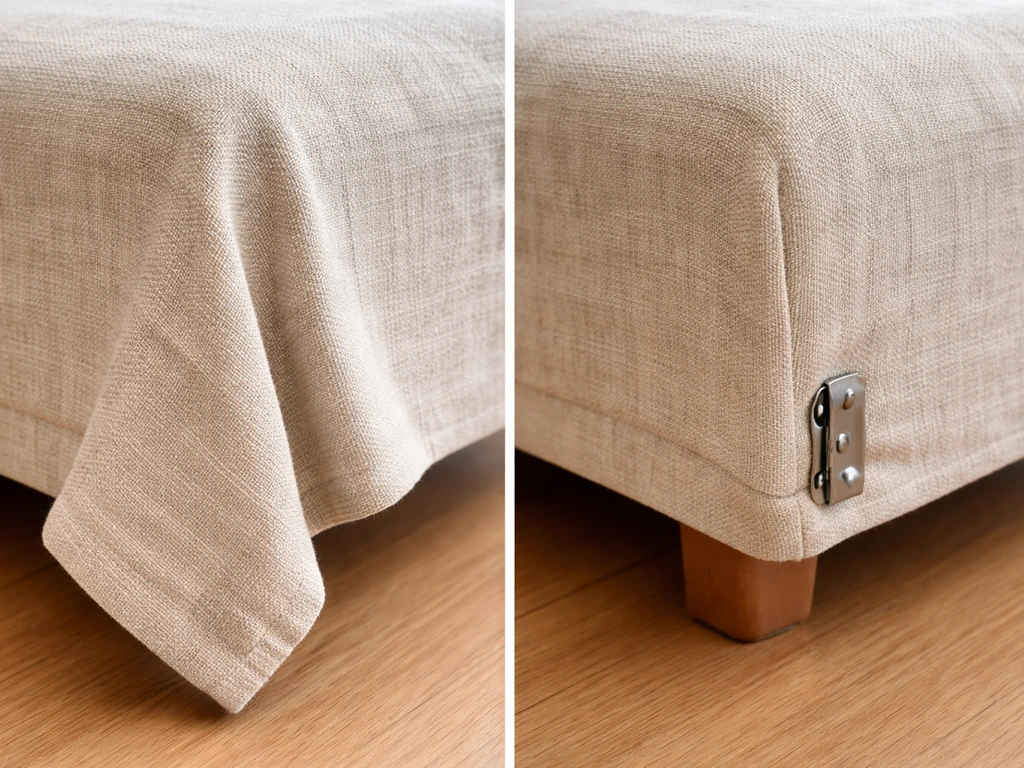
If your fabric keeps sliding down or bunching at the bottom, your cover is either too large or not secured well enough. Add a second clip at each bottom corner to anchor the overhang, or switch to a fitted cover with elastic hems. For a DIY fix, sew or iron-on a pocket at the top of the cover that slides over the cage top like a pillowcase, which holds the cover in place without any clips at all.
Mess and moisture buildup
Droppings and feather dust will accumulate on the inner surface of the cover over time. Wash covers at least once a week in unscented detergent (fragrance and fabric softener residue can irritate a bird's respiratory system). If moisture is building up inside the cover, your fabric isn't breathable enough or the cage isn't getting adequate ambient airflow. Switching to a lighter weave and pulling the cover away from the cage wall by an inch or two on each side usually solves this.
Pests (mites or insects)
A damp or infrequently washed cover can attract red mites and other pests. Red mites are nocturnal, so they hide in fabric folds and cage crevices during the day and emerge at night when the bird is roosting. If your bird seems restless at night, is scratching more than usual, or you spot tiny dark or reddish specks on the cover after removing it in the morning, inspect the cage thoroughly. Remove and boil-wash or replace the cover immediately. Clean the cage bars with a bird-safe disinfectant, and let everything dry completely before covering again. Going forward, never let a cover stay damp: air-dry fully before reuse.
Bird is chewing the cover
If your bird is pulling at or chewing the fabric through the bars, the cover is hanging too close to their perch or they're active and bored at cover time. Try moving the cage to a calmer position before covering, add an extra layer of separation between the bar and the fabric (a second set of clips that hold the cover out slightly), or switch to a stiffer canvas fabric that's harder to grip through the bars. Significant chewing of synthetic fabric is a health risk, so don't leave a synthetic cover in place if your bird is actively working at it.
If you want to go beyond a basic drape and build something more tailored, check out the related guides on making your own bird cage covers and adding a cage skirt for mess control at the bottom. Both projects use many of the same materials and measurements covered here, and they scale well once you've got the basic covering routine working. If you're after a skirt-style cover, you can use the same materials and measurements, but the pattern and attachment method are slightly different how to make a bird cage skirt. If you’re working with a round cage, use the same breathable, airflow-first principles, then tailor the pattern so the fabric fits evenly around the curve how to make a round bird cage.
FAQ
Can I leave a bird cage covered all day and night?
Use the cover only as a sleep signal, then remove it in the morning to inspect for pests, check the bird’s feathers and skin, and wash the fabric on a schedule. Even good covers can trap droppings and dust, so a weekly wash (or sooner if the fabric looks damp) matters.
How can I cover a bird cage for naps during the day without overheating the bird?
Yes, but avoid anything that blocks airflow or makes the cage too dark to monitor. Use a breathable, light-blocking natural-fiber cloth for the “dark” part, and keep the front partially open as you normally would. If your bird seems overheated, switch to a lighter weave and shorten the covered duration.
What fabrics should I avoid when figuring out how to cover bird cage properly?
Don’t use plastic, vinyl, or tightly woven impermeable materials, and avoid blackout foam layers. They can trap heat and moisture, increasing respiratory risk. If you need stronger light control, layer two breathable natural fabrics rather than adding non-breathable layers.
My bird chews the cover, what should I change first?
If the bird can reach the cover through the bars, it will try to chew it. Raise the cover so it doesn’t touch the perch, secure edges so there are no loose dangling sections, and consider a stiffer natural canvas or a fitted cover with a tight top pocket to reduce grabbing points.
Will covering a bird cage reduce anxiety, or can it make stress worse?
A cover can calm stress, but it can also hide warning signs if it blocks visibility. If you use a partial privacy cover, keep the front visible enough to monitor breathing and droppings, and adjust the amount of coverage when your bird is still unsettled.
What causes a bird cage cover to sag in the middle, and how do I fix it?
Use clips or a fitted design that keeps the fabric from sagging inward. Bunching at the bottom creates hidden pockets where moisture and debris collect, so aim for a consistent short overhang and ensure the cover stays taut at the sides.
How often should I wash a bird cage cover, and what detergent is safest?
Don’t rely on scent-based products. Wash with unscented detergent and avoid fabric softener residue. After washing, fully dry and only reinstall when the cover smells neutral and is completely dry.
What should I do if I suspect red mites or other pests from a covered cage?
If you see tiny dark or reddish specks after removing the cover, treat it as a red mite warning. Remove the cover immediately, wash or boil-wash based on fabric care, clean cage bars with a bird-safe disinfectant, and make sure the replacement cover is completely dry before reuse.
My bird panics when I cover the cage, what’s a gentler way to introduce it?
Gradually acclimate over several nights by starting with one side only, then adding coverage step by step. Keep the cage in a stable, draft-minimized location so the bird is not reacting to cold air or surprise motion.
How do I adjust how to cover bird cage when it’s outdoors in humid or rainy weather?
In most cases, use a breathable natural-fiber cloth and keep airflow through the front partially open. If you need outdoor protection from rain, use purpose-built outdoor materials designed for moisture and wind, and still keep airflow gaps so the cage does not become a humid enclosure.
Next Article
How to Make Bird Cage Covers: DIY Sewing Guide
DIY guide to measure, choose bird-safe fabric, and sew or assemble cage covers with secure closures and easy access.